


Vet Surgical Instruments
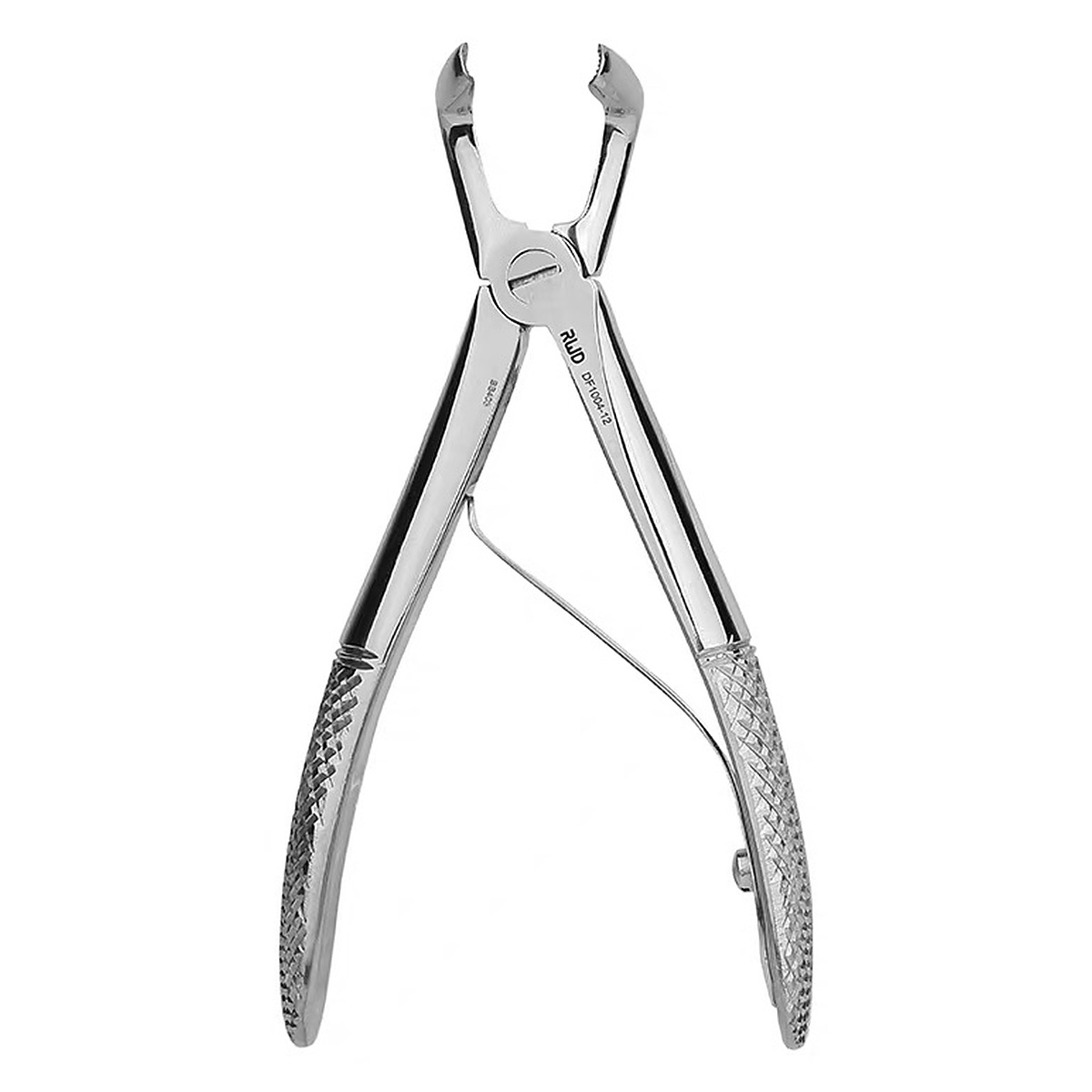
Double-Action Bone Rongeur
- Type: double-action rongeur
- Jaw: straight, opposing edges
- Mechanism: compound linkage
- Sterilisation: autoclave 134 C
- Product description: Double-action bone rongeur with a straight opposing jaw and compound linkage, for contouring bone edges in oral and orthopaedic surgery.
Bone is not cut with a rongeur, it is nibbled: small bites taken from the edge, each one removing a piece and leaving a rounded contour. That is exactly what is wanted when removing a bone edge that would otherwise rub through skin, reshaping the rim of an acetabulum, or taking the crown off a mandibular mass before closure.
This is a double-action rongeur: the handles move through a compound linkage so the jaw closes with several times the force applied at the rings. A single-action instrument of the same length needs a hard squeeze to take a bite out of cortical bone; the double-action version takes the same bite with a grip most surgeons can sustain for a whole procedure, which is the difference between a clean series of bites and a series of half-bites that crush instead of cut.
Straight jaw, and when to use it
The straight jaw works on a bone edge you can see square on and approach in line with - the rim of a mandible, the cut surface of a femoral neck after osteotomy, the edge of a laminectomy site. Because the jaw comes straight at the bone, the instrument can be held with the wrist neutral, which is where control comes from.
What a rongeur is not for
It is not a bone cutter and it is not a curette. Cutting a long bone with a rongeur takes a series of bites that leave a stepped edge and a lot of crushed bone between them; use an oscillating saw or a bone cutter for a planned cut and a rongeur only to tidy the result. Nor should it be used to lever: the jaw is hardened for compression, and prying with it puts a bending load on the pivot that eventually gives it play, and a rongeur with play crushes instead of cuts.
Keeping it working
Rinse the linkage under running water with the jaws open - blood sits in the pivot and sets hard in the autoclave, and a stiff pivot is the first sign it is happening. Lubricate the joint with an instrument milk before sterilising, not after. Do not use a rongeur on a bone that is still attached to a patient who is being moved: a bite taken while the table is being shifted is how a jaw gets chipped.
| Parameter | Value |
|---|---|
| Type | Double-action bone rongeur |
| Jaw | Straight, opposing cutting edges |
| Mechanism | Compound linkage, spring return |
| Material | Stainless steel, hardened jaw |
| Sterilisation | Autoclave at 134 C, jaws open |
| Length | Confirmed per model |
| Application | Bone edge contouring, osteotomy tidying, oral and orthopaedic surgery |
Sizes
Rongeurs are supplied in a range of lengths and jaw widths. A short instrument with a narrow jaw is for oral work and for a cat; a longer one with a wider bite is for a dog's pelvis or femur. Two lengths in the tray covers almost everything; if you do a lot of mandibular work, a third with a smaller bite is worth having because a wide jaw on a thin mandible takes off more than intended.
Related Products
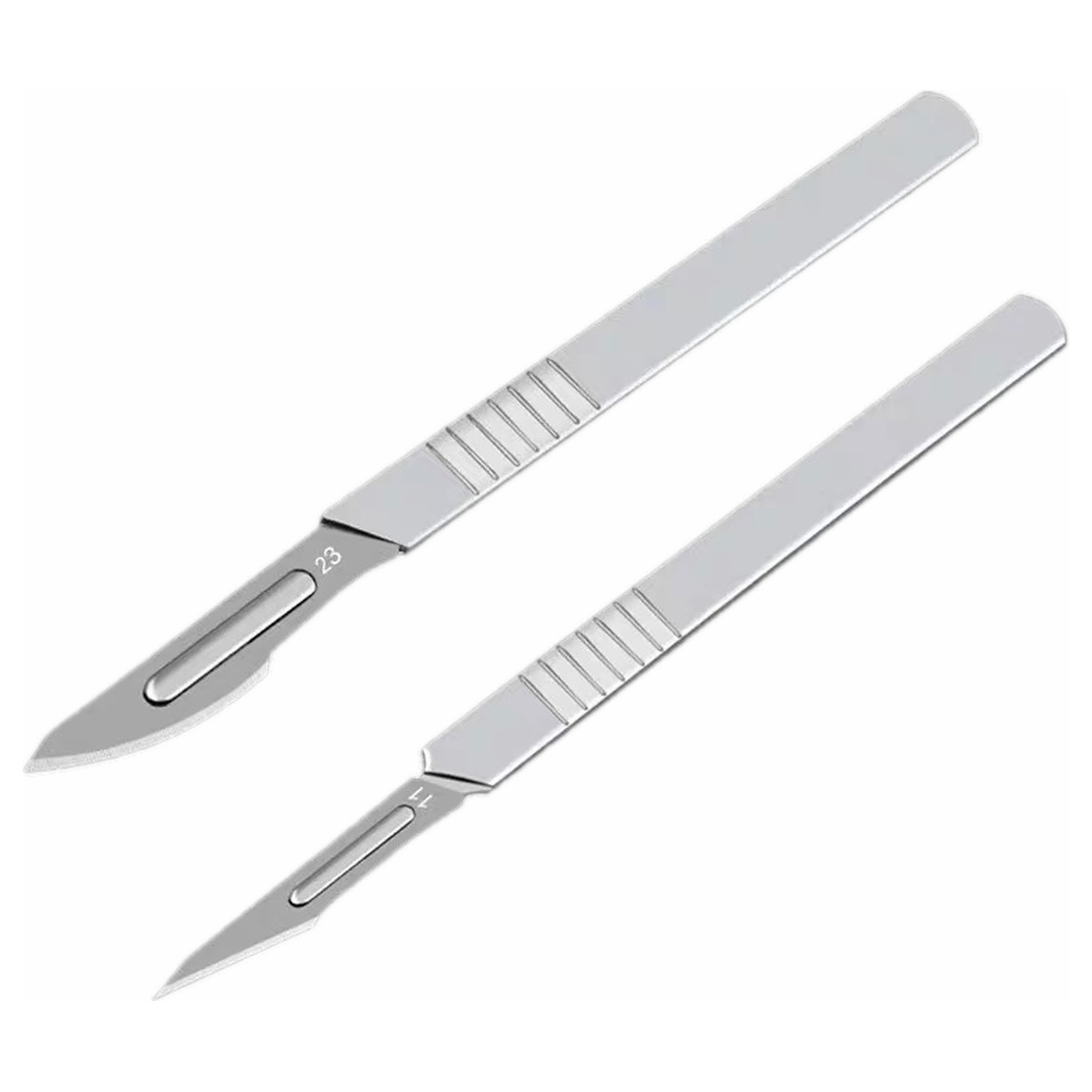
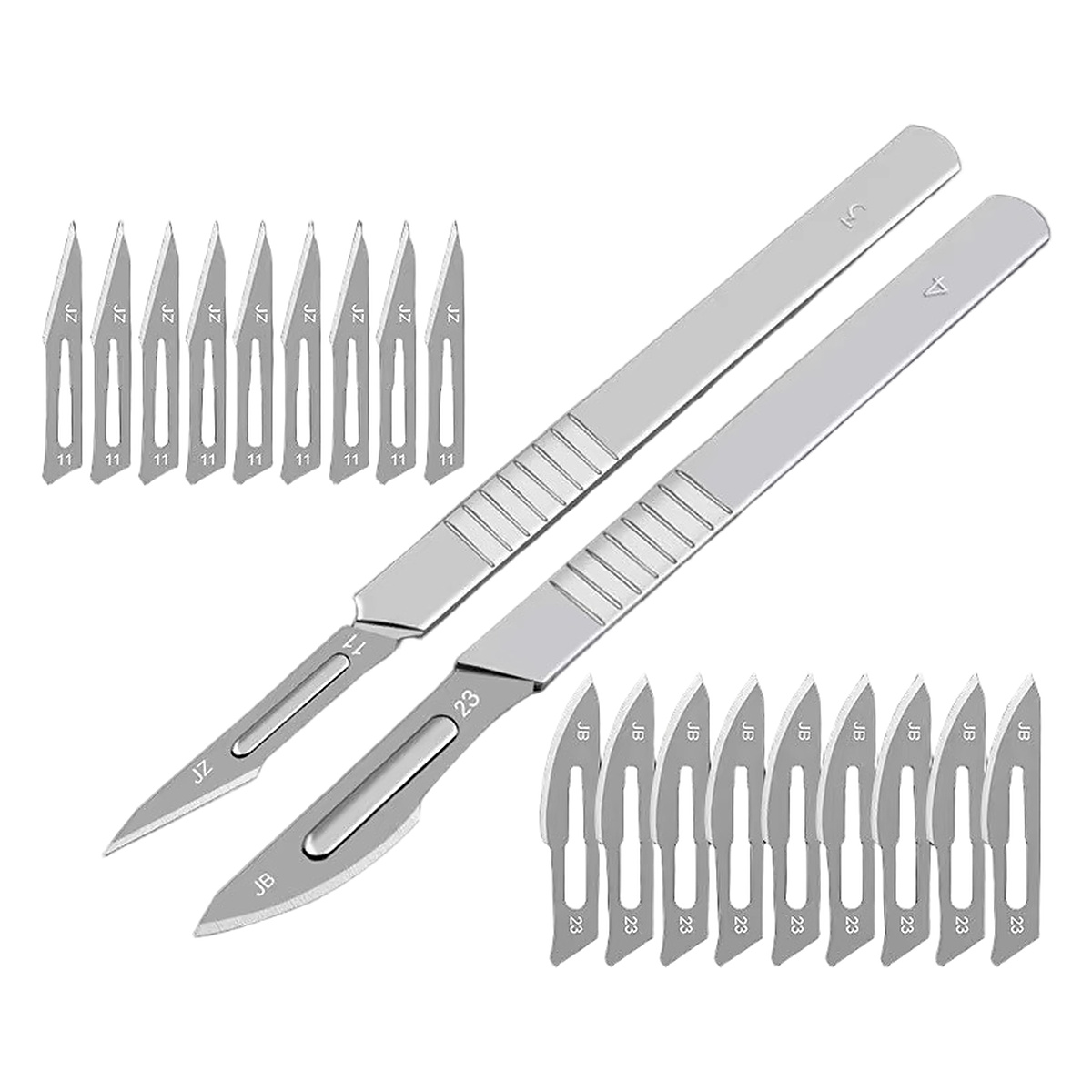
Stainless No.4 scalpel handle with No.23 blade for veterinary soft tis
Categories
Latest News
Contact Us
Contact: Mario
Phone: +8613482534556
Tel: +86-574-62913789
Add: No.33 West Road, Gaoqiao Town, Ningbo, Zhejiang, China