


Vet Surgical Instruments
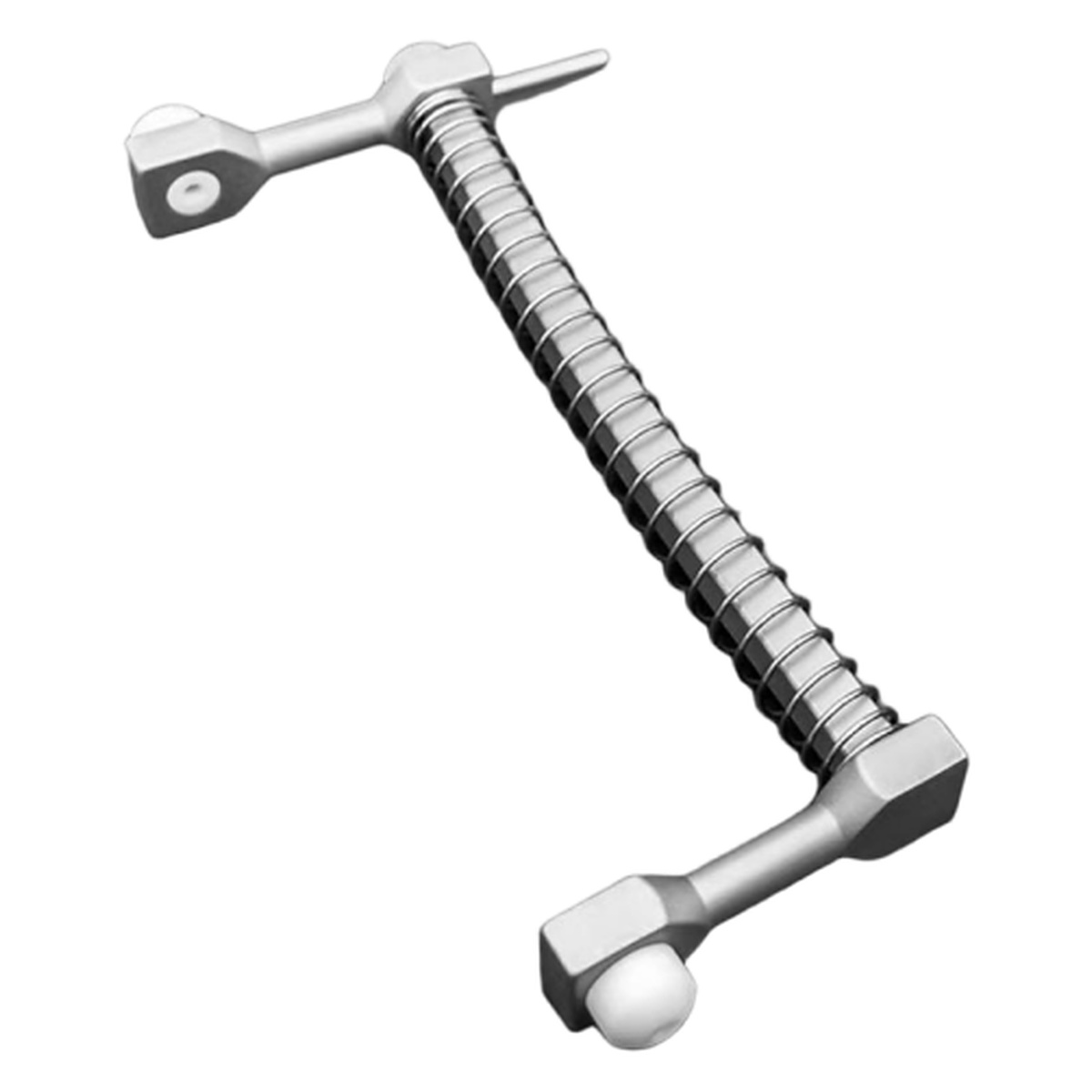
Self-Retaining Retractor
- Type: self-retaining, ratchet lock
- Arms: 2, adjustable, rounded pads
- Material: stainless steel
- Sterilisation: autoclave 134 C
- Product description: Stainless self-retaining retractor with ratcheted crossbar, two adjustable arms and rounded pads. Holds abdominal wounds open hands-free; autoclavable at 134 C.
Every abdominal procedure eventually needs someone to hold something open. In a small animal laparotomy the surgeon has two hands and one of them is usually holding a suction tip, so retraction that holds itself is not a convenience, it is the difference between a wound you can see into and one you are working in blind.
This is a self-retaining retractor built on a ratcheted crossbar: two arms run on the bar, a trigger releases the ratchet, and the arms lock where they are set. The bar carries the load, so the retraction stays where it was put for the length of the procedure instead of being held by an assistant whose arm gets tired at the twenty minute mark. The arm ends are rounded pads rather than sharp prongs, which is deliberate: they spread the load across the wound edge instead of perforating it.
Why the ratchet is the whole point
A retractor without a lock is a pair of hands. With a ratchet, the opening can be increased in small steps as the procedure goes on - a little wider to deliver a uterus, a little wider again to see a bleeding point - and reduced before closure so the wound edge is not left ischaemic. Wound edges that have been held under tension for an hour are the ones that dehisce, and being able to back the retraction off at the end is part of how you avoid that.
Load and placement
Put the arms under the sheath and the muscle, not into the viscera, and check that nothing is caught between the arm and the wound edge before opening - a loop of bowel trapped under a retractor arm is a perforation waiting to be found in recovery. Open in steps rather than one movement, and re-check the wound edge each time.
| Parameter | Value |
|---|---|
| Type | Self-retaining retractor, ratcheted crossbar |
| Arms | Two, adjustable on the bar, rounded pads |
| Lock | Ratchet with trigger release |
| Material | Stainless steel, satin finish |
| Sterilisation | Autoclave at 134 C |
| Application | Laparotomy, caesarean, abdominal mass removal |
Care that keeps the ratchet working
The ratchet is the part that fails. Blood left in the teeth sets hard, the trigger stops releasing cleanly, and the retractor starts to slip under load - which is worse than a retractor that will not open. Clean the bar with a brush along the teeth in both directions, not just across them, and work the trigger through its full travel while it is wet so the detergent reaches the pivot. Dry it open, not closed.
Do not use the retractor as a lever to lift the patient or to hold a limb; the arms are designed for a load across the bar, not for a bending moment at the joint. A bent arm no longer sits square and the pads then dig in on one side.
Buying
Available in several bar lengths; the size that suits a feline laparotomy is too short for a large canine caesarean, so most practices keep two. Tell us the range of patients you operate on and we will quote the two sizes that cover it rather than one that covers neither well.
Related Products
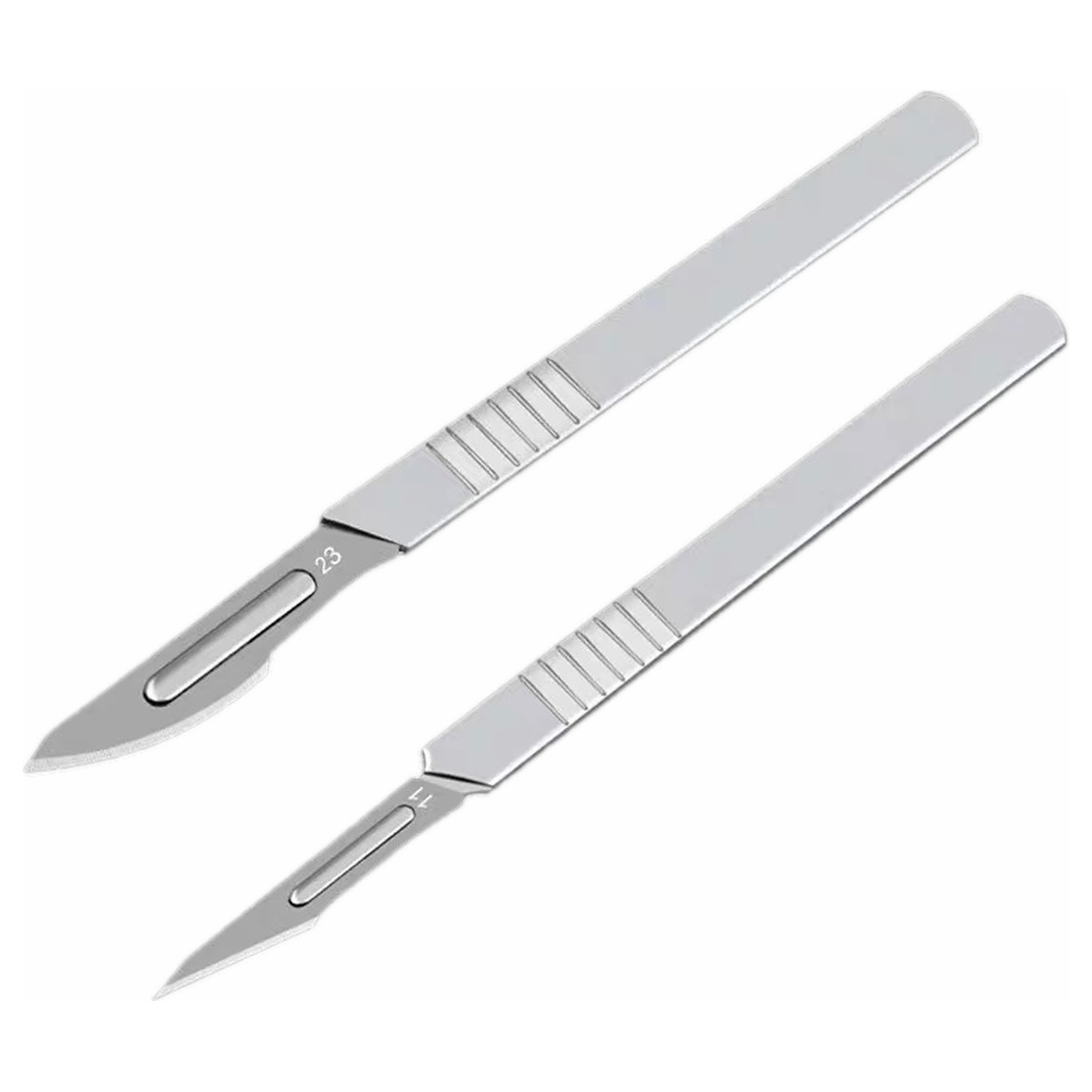
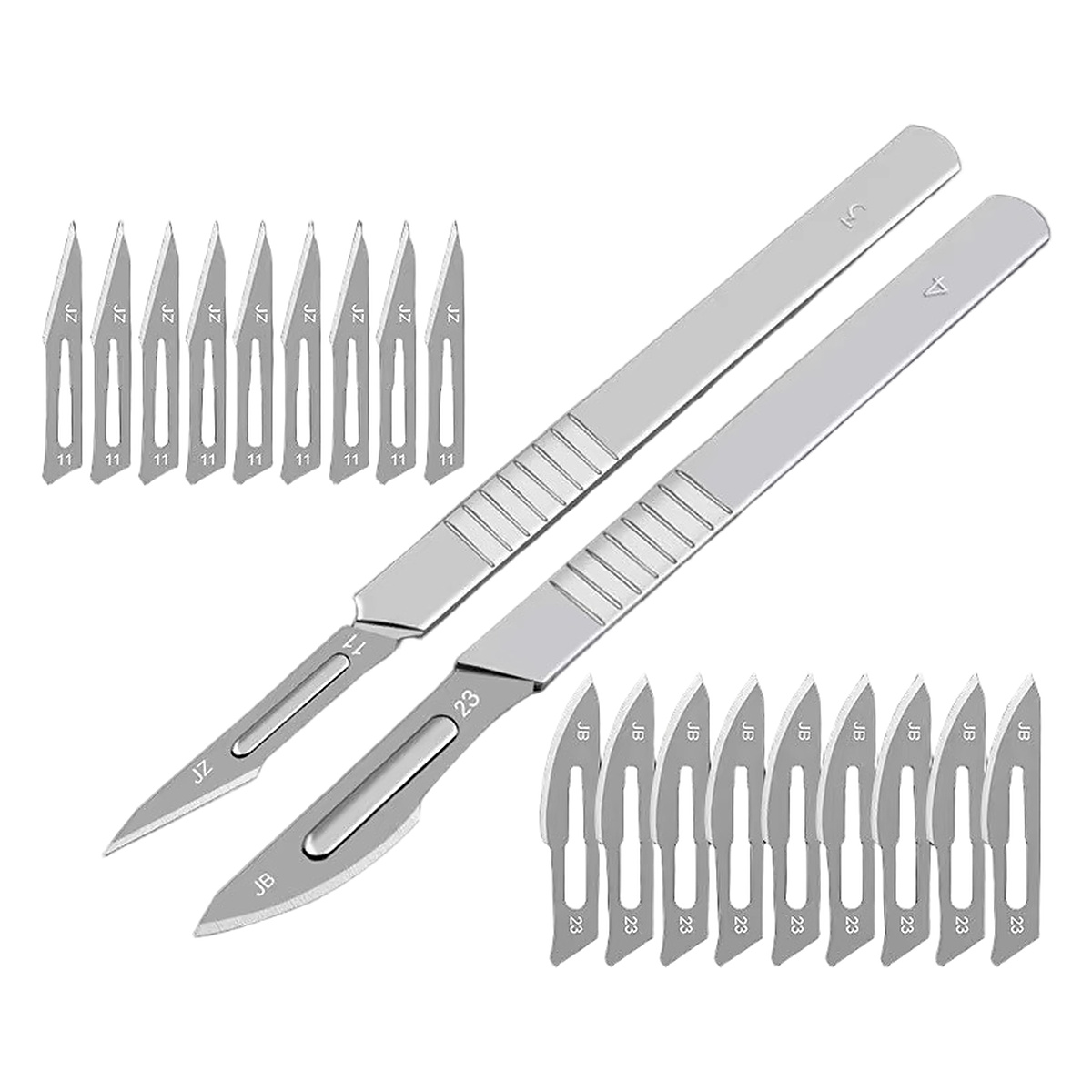
Stainless No.4 scalpel handle with No.23 blade for veterinary soft tis
Categories
Latest News
Contact Us
Contact: Mario
Phone: +8613482534556
Tel: +86-574-62913789
Add: No.33 West Road, Gaoqiao Town, Ningbo, Zhejiang, China