


Vet Injection & Infusion
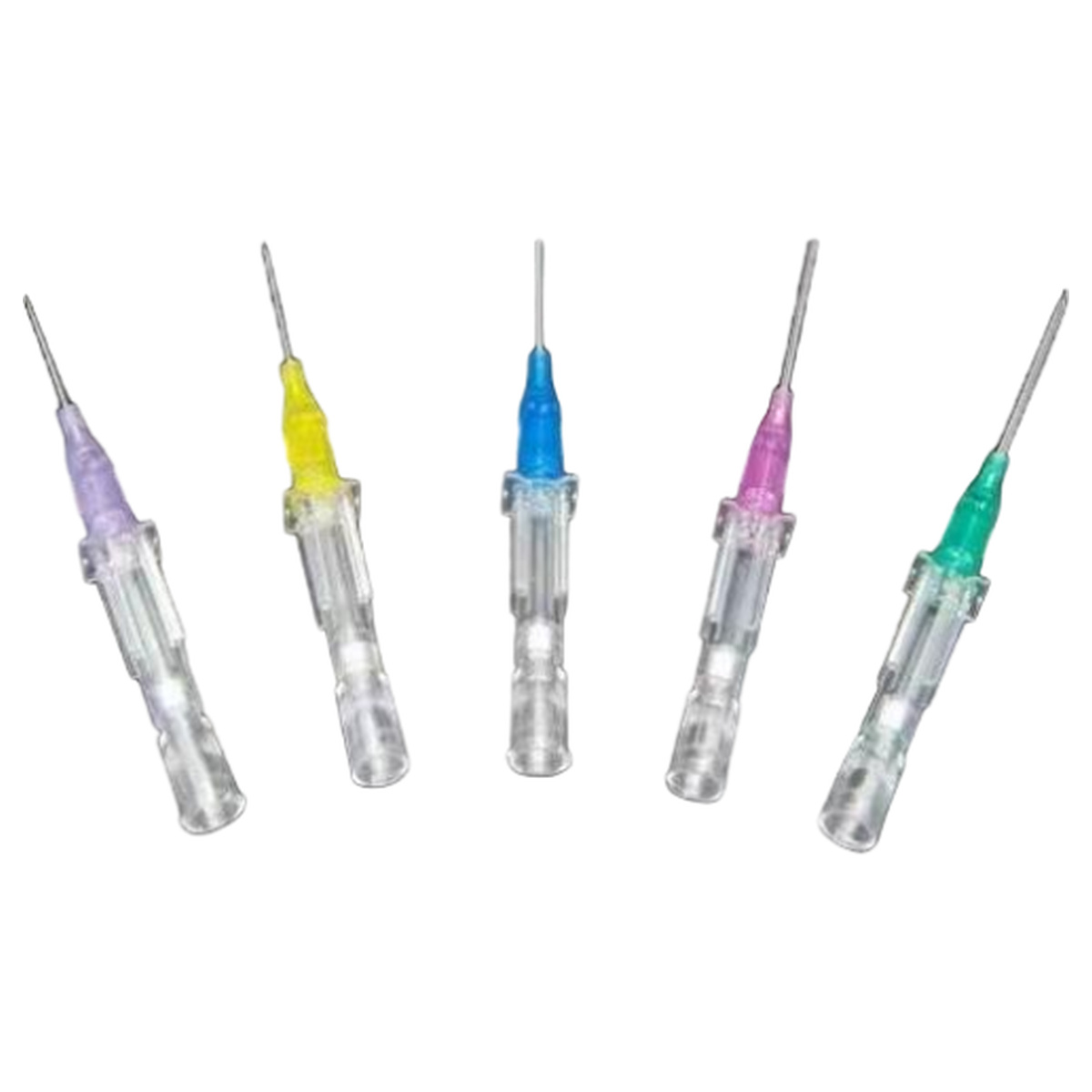
Veterinary IV Catheter - Winged, 14G to 24G
- Gauges: 14G to 24G
- Type: over-the-needle, winged
- Features: flashback chamber, cap port
- Packing: individual blister
- Product description: Winged over-the-needle peripheral IV catheters for dogs and cats, 14G to 24G, colour coded with flashback chamber. For cephalic, saphenous and jugular access.
Peripheral catheterisation in the dog and cat is a size problem before it is a technique problem. The vein is small, the skin is tough, and the catheter that is easy to place is often the one that occludes within a day because it is too large for the vessel it sits in. Getting the gauge right for the vein, and not for the patient's weight, is most of the battle.
These are over-the-needle peripheral catheters with colour-coded hubs, flexible wings for taping, and a flashback chamber that shows blood the moment the tip enters the lumen. Five gauges cover the range from a large canine cephalic vein down to a kitten or a small feline, and the colour coding lets a nurse pick a size in a hurry without reading the print.
Choosing the gauge
A catheter should fill roughly a third to a half of the vein lumen. Too small and the flow rate is inadequate for resuscitation; too large and it abrades the intima, which is how you get phlebitis and early failure. In practice: a 14G or 16G for a large canine cephalic or jugular, 18G to 22G for the average dog and cat, 24G for kittens, toy breeds and any vein that keeps blowing. When in doubt go one size smaller and use a second line if you need flow.
Placement notes
- Clip, don't shave to skin - close clipper work is enough; a razor burn under a dressing is a site infection waiting to happen
- Advance the catheter off the needle - once flashback is seen, lower the angle, advance the catheter a few millimetres, then slide it off the stylet. Withdrawing the stylet and re-advancing is how the tip gets a burr and the vein gets a tear
- Tape the wings, not the hub - the wings hold the catheter flat against the skin; tape wrapped around the hub rotates the bevel against the vessel wall
- Flush and cap - a catheter that is not flushed at placement is a catheter that clots at the tip within the hour
| Parameter | Value |
|---|---|
| Type | Over-the-needle peripheral catheter, winged |
| Gauges | 14G to 24G, colour coded |
| Features | Flashback chamber, flexible wings, injection cap port |
| Sterility | Single use, sterile, EO sterilised |
| Packing | Individually blister packed; bulk cartons on request |
| Application | Cephalic, saphenous, jugular access; canine and feline |
Keeping it patent
Flush with saline on a schedule rather than when it looks blocked, cap with a positive-displacement cap, and inspect the site at every shift for swelling, coolness or pain. A catheter that has been in for more than 72 hours in a dog, or more than 48 in a cat, should be replaced rather than maintained unless there is a specific reason to keep it. In a patient that is licking at the site, an Elizabethan collar is cheaper than a second catheter and a cellulitis.
Do not use the same catheter for blood sampling and for fluid administration at the same time if you can avoid it; the line gets contaminated and the sample is diluted. Take the sample from a fresh venepuncture wherever the patient will tolerate it.
Ordering
Sold in boxes by gauge, or as a mixed box covering the four sizes a general practice uses most. Tell us the mix you go through and we will quote it that way, since a box of one gauge in a small clinic sits on the shelf while the 22G runs out.
Related Products
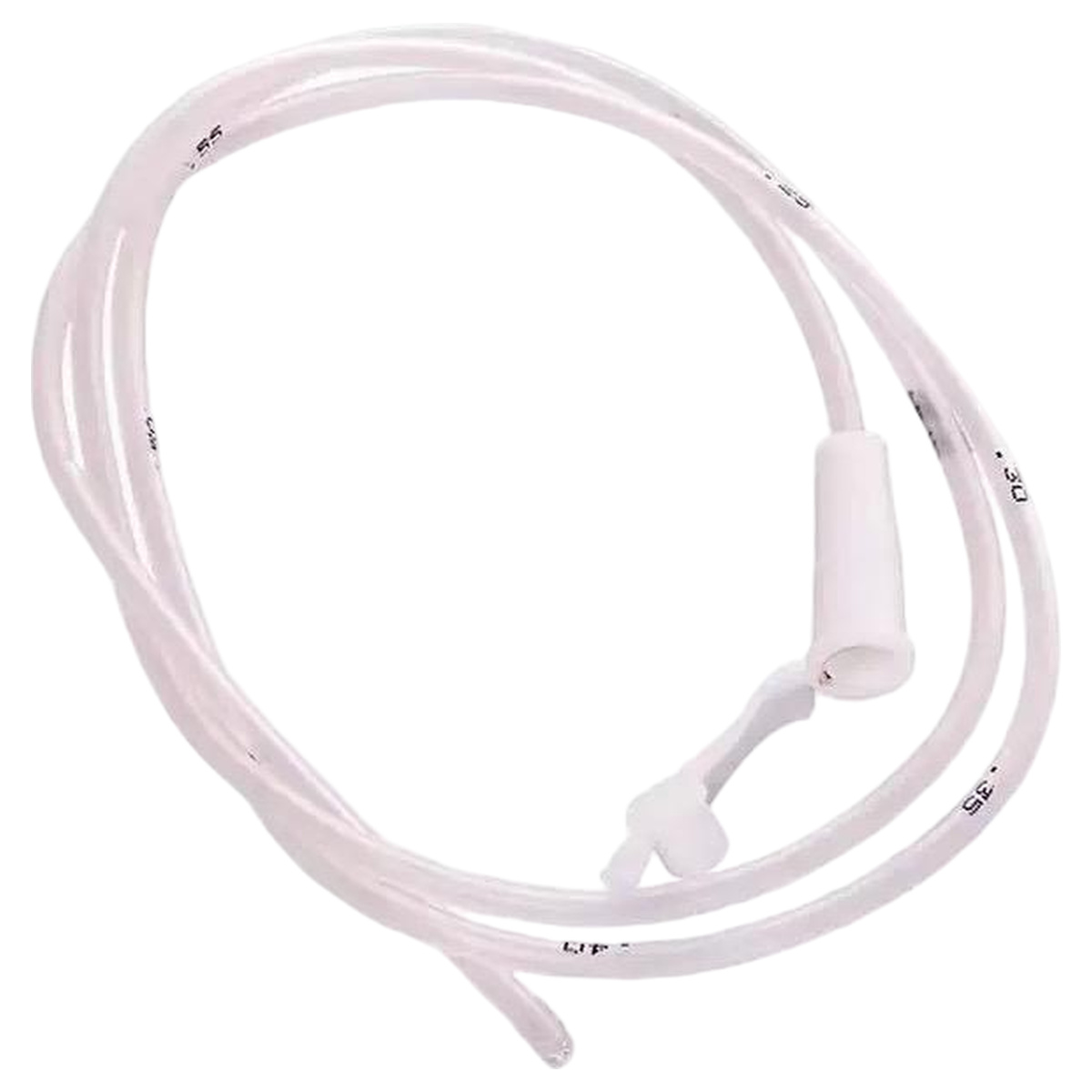
Veterinary IV Extension Tube -
Short IV extension set with Y-port injection site and luer lock connec
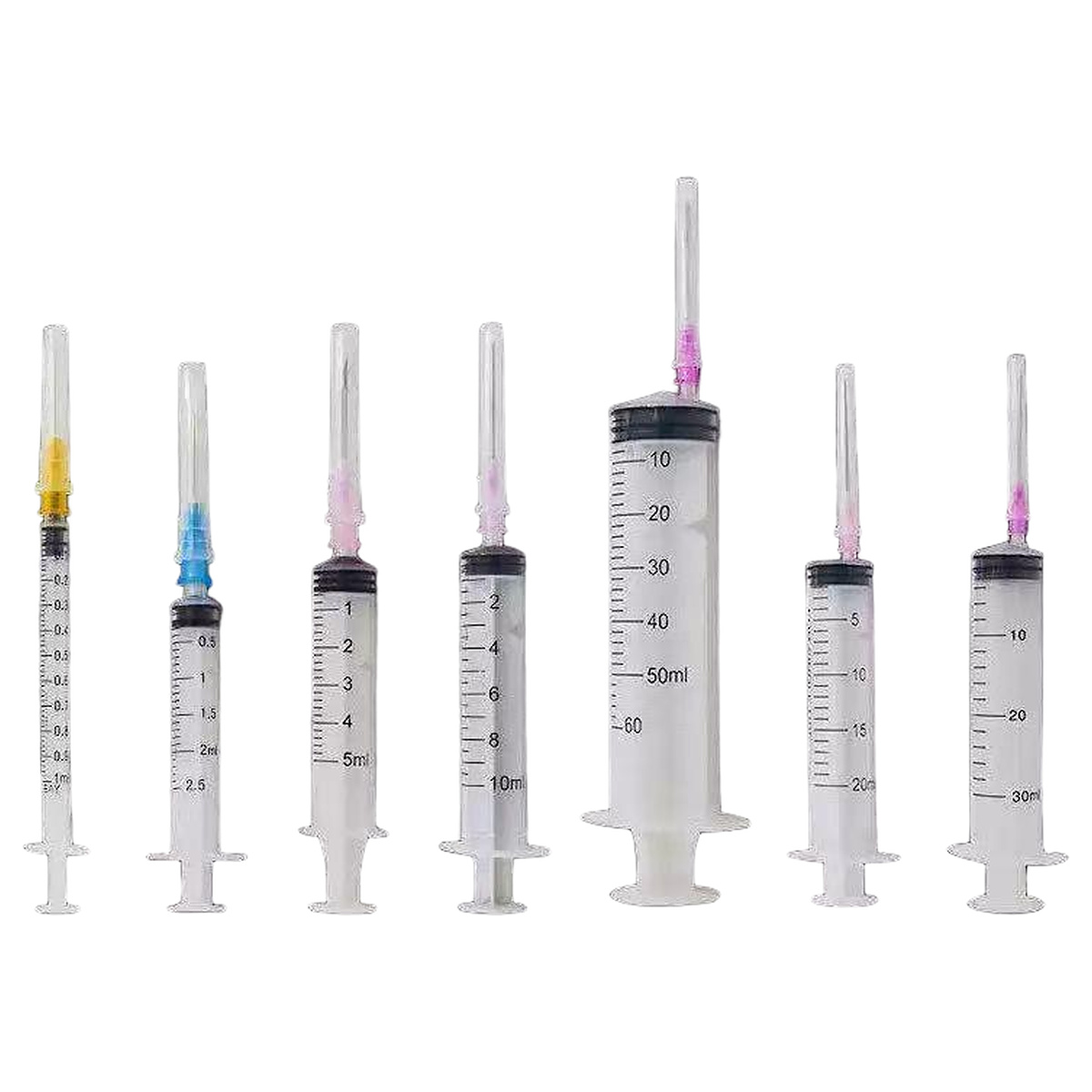
Veterinary Disposable Syringes
Single-use veterinary syringes from 1 ml to 60 ml with clear graduatio
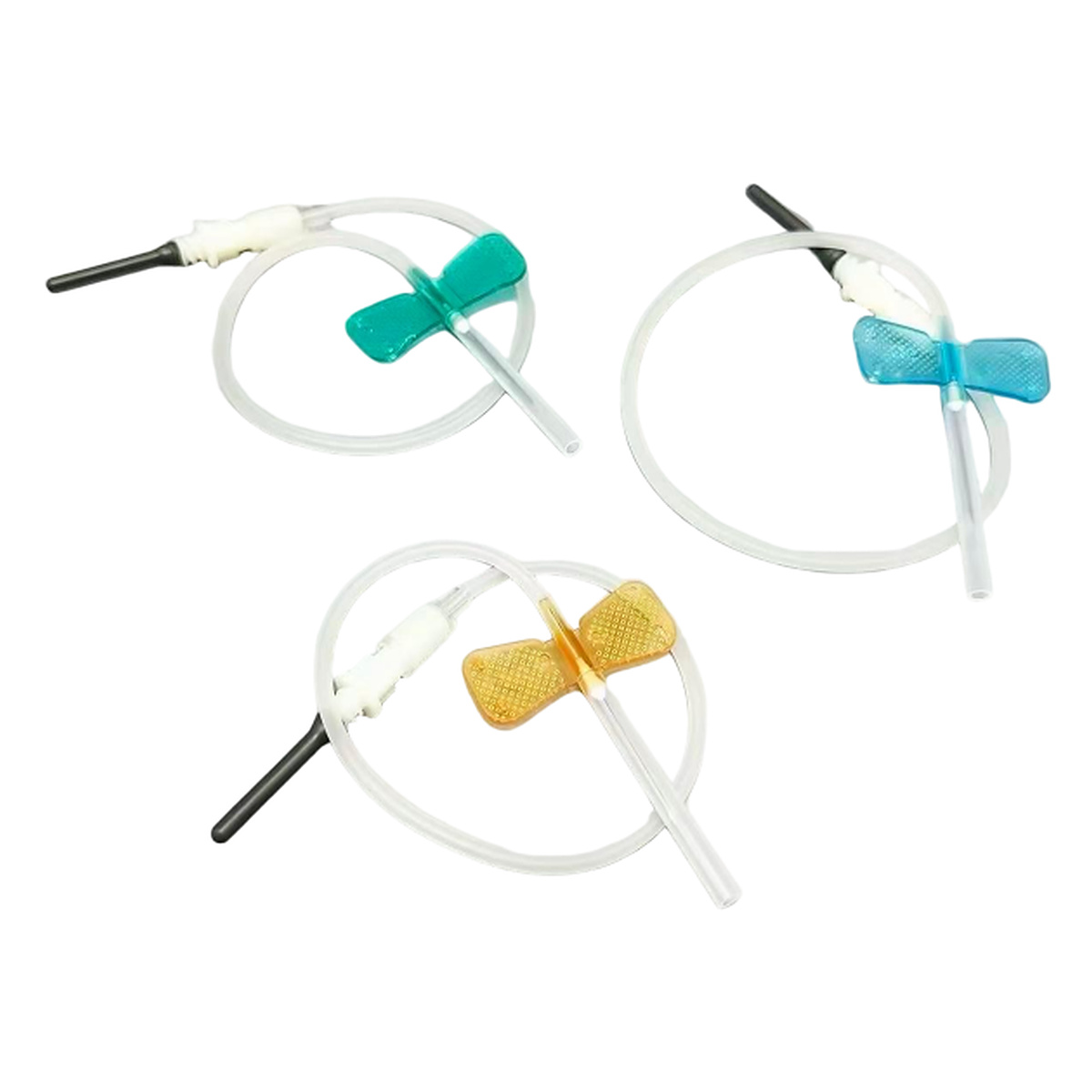
Veterinary Butterfly Blood Col
Single-use winged blood collection needles with flexible tubing and lu
Categories
Latest News
Contact Us
Contact: Mario
Phone: +8613482534556
Tel: +86-574-62913789
Add: No.33 West Road, Gaoqiao Town, Ningbo, Zhejiang, China