


Vet Injection & Infusion
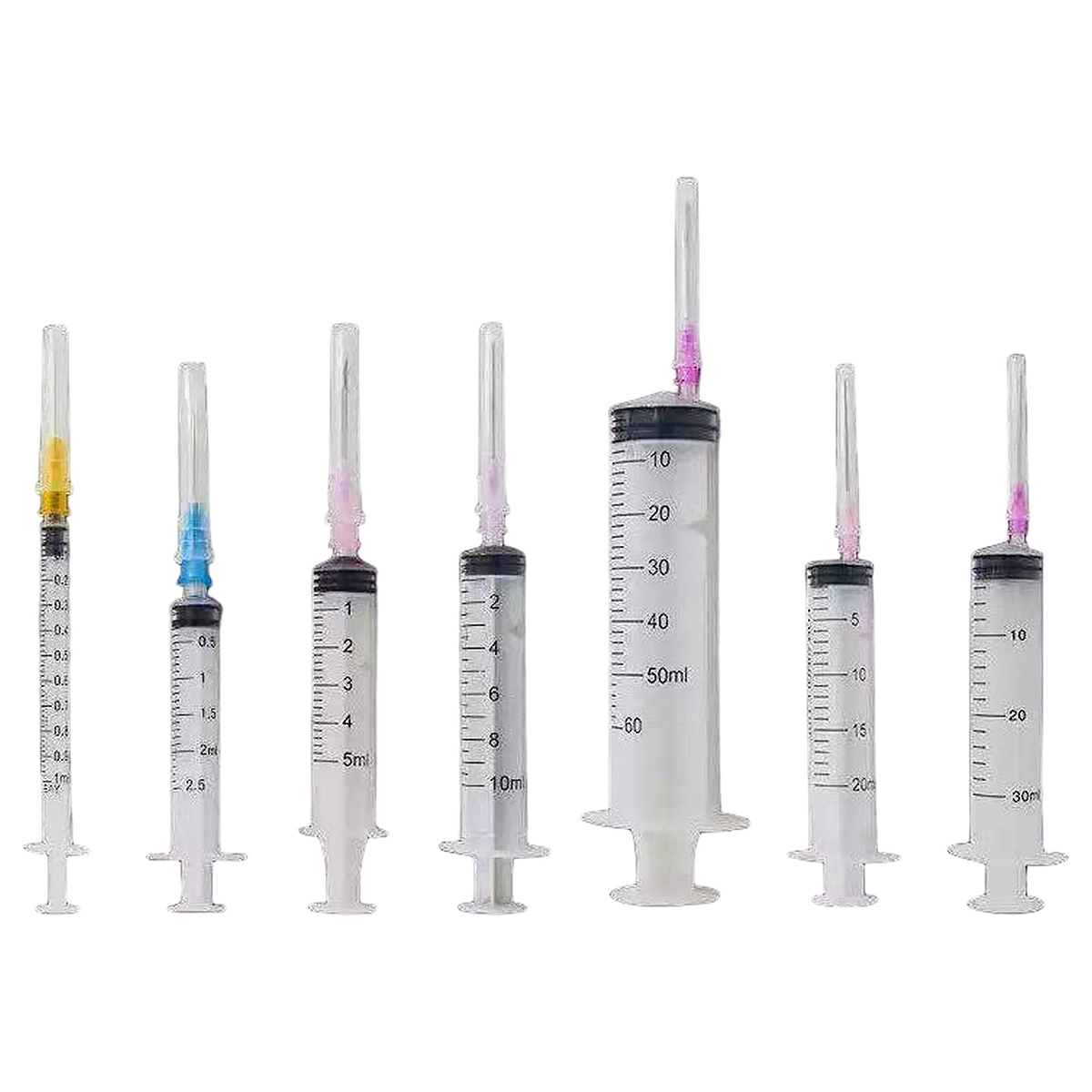
Veterinary Disposable Syringes - 1 ml to 60 ml
- Capacities: 1 to 60 ml
- Tip: luer slip (lock on request)
- Graduations: printed, clear barrel
- Packing: individual, cartons of 100
- Product description: Single-use veterinary syringes from 1 ml to 60 ml with clear graduations and luer tips. Fine 0.01 ml reading on the 1 ml size for accurate small animal dosing.
A syringe is a measuring instrument before it is a container, and the errors that matter in small animal practice are measuring errors. A 0.08 ml dose drawn in a 10 ml syringe is a guess; the same dose drawn in a 1 ml syringe with 0.01 ml graduations is a measurement. That is the whole argument for keeping a full range rather than a box of 5 ml in the drawer.
This is a range of single-use syringes from 1 ml to 60 ml, with clear graduations, a smooth plunger action and a luer tip that takes a needle directly. The larger sizes double as irrigation and feeding syringes; the small sizes are for induction agents, premedication and paediatric dosing.
Sizes and what each is for
- 1 ml - fine graduations, for premedication and induction in cats and small dogs, where a 0.02 ml difference changes the depth
- 2 to 3 ml - the default for intravenous induction and small volume injection
- 5 and 10 ml - flushing, drug dilution, and most subcutaneous and intramuscular work
- 20 and 30 ml - large volume flush, bladder wash, wound lavage
- 60 ml - piston syringe for irrigation, enteral feeding and suction; takes a catheter tip rather than a needle
Graduations and dead space
The graduations on the smaller sizes are the reason to buy them: a 1 ml syringe reads to 0.01 ml, a 3 ml to 0.1 ml, and above 10 ml the steps get coarse enough that a small dose should not be drawn in them at all. Dead space in the hub also matters when the volume is small - the hub of a luer tip holds a little fluid that does not reach the patient, and in a 1 ml syringe that fraction is not negligible. Draw a slight excess and account for it when the drug has a narrow margin.
| Parameter | Value |
|---|---|
| Capacities | 1, 2, 3, 5, 10, 20, 30, 60 ml |
| Tip | Luer slip; luer lock on request |
| Barrel | Clear PP, printed graduations |
| Sterility | Single use, sterile, EO sterilised |
| Packing | Individually packed; cartons of 100 |
| Options | With or without needle, catheter tip on 60 ml |
Practical notes
Draw up through a needle and inject through a fresh one where the drug is irritant, because the drawing needle dulls on the vial septum. Label every syringe you put down, even for a few seconds, because an unlabelled syringe on a trolley is the classic way a patient gets the wrong drug. Do not store drugs in syringes for later use; the plastic adsorbs some agents and the label falls off.
For irrigation, a 60 ml piston syringe with a catheter tip gives controllable pressure. Higher pressure is not better: above roughly the pressure needed to lift debris, you are driving fluid into tissue planes rather than washing the surface.
Ordering
Cartons by size, or a mixed carton built around the sizes your clinic actually consumes. Most small animal practices run out of 1 ml and 3 ml first; tell us your monthly use and we will quote to that ratio.
Related Products
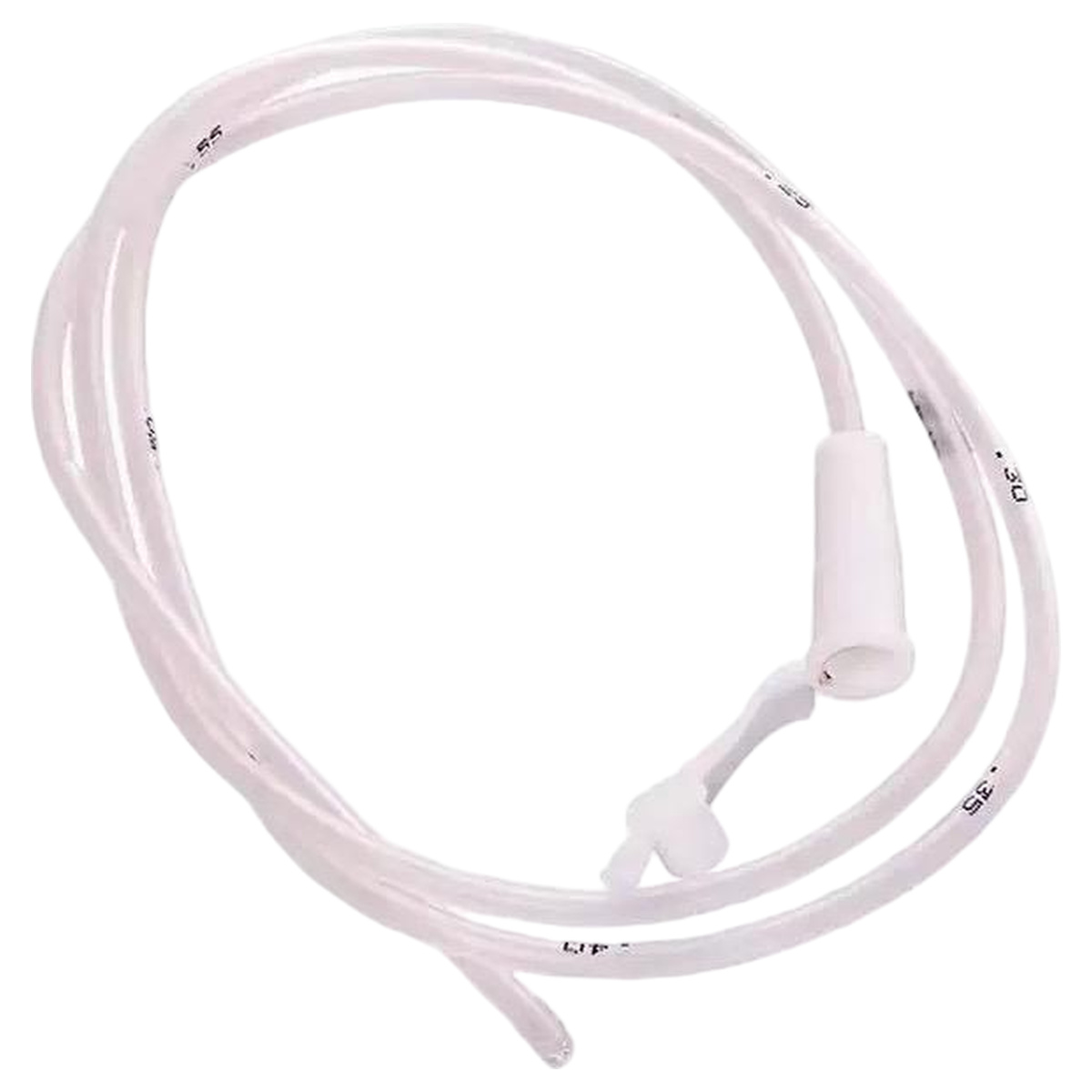
Veterinary IV Extension Tube -
Short IV extension set with Y-port injection site and luer lock connec
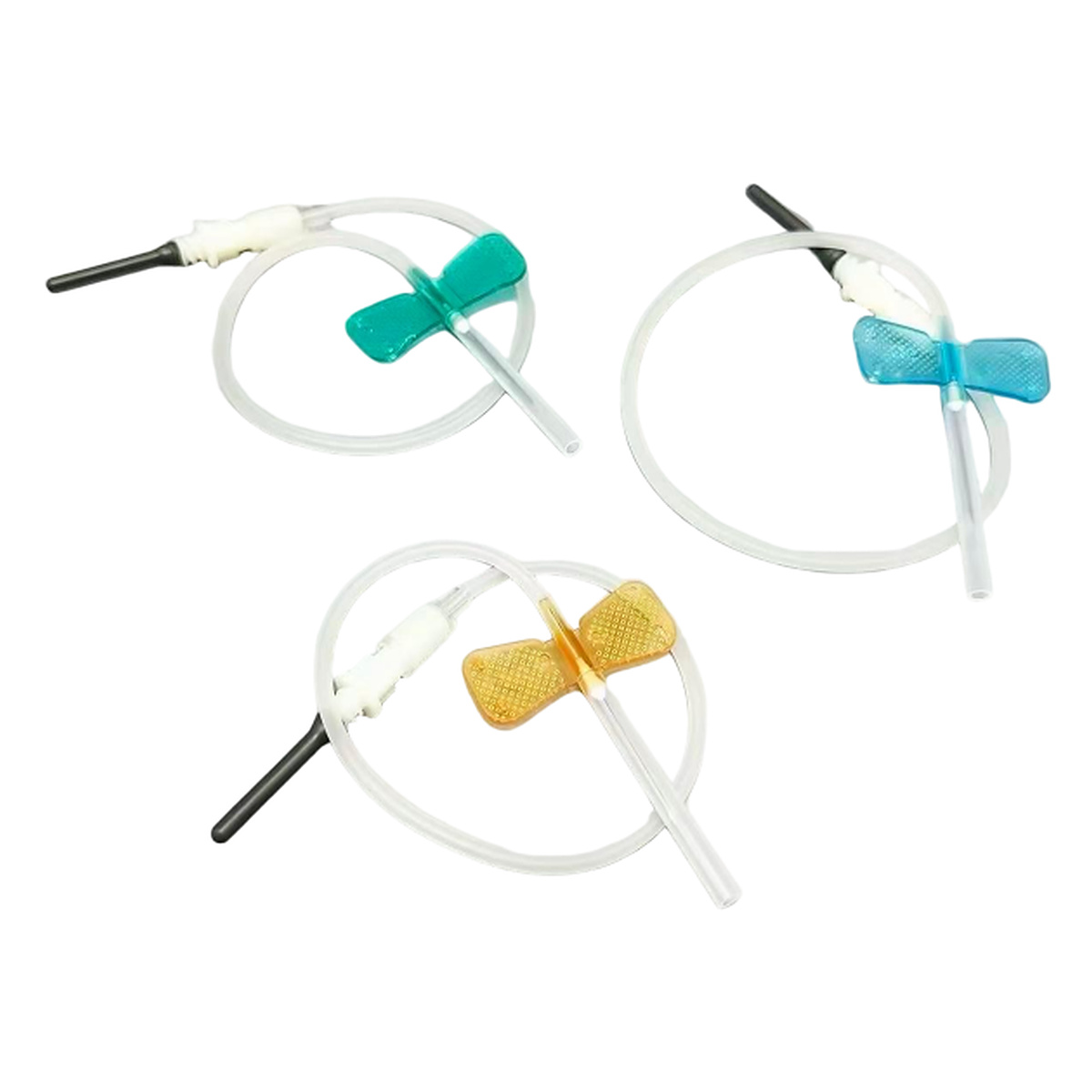
Veterinary Butterfly Blood Col
Single-use winged blood collection needles with flexible tubing and lu
Veterinary IV Catheter - Winge
Winged over-the-needle peripheral IV catheters for dogs and cats, 14G
Categories
Latest News
Contact Us
Contact: Mario
Phone: +8613482534556
Tel: +86-574-62913789
Add: No.33 West Road, Gaoqiao Town, Ningbo, Zhejiang, China