


Vet Injection & Infusion
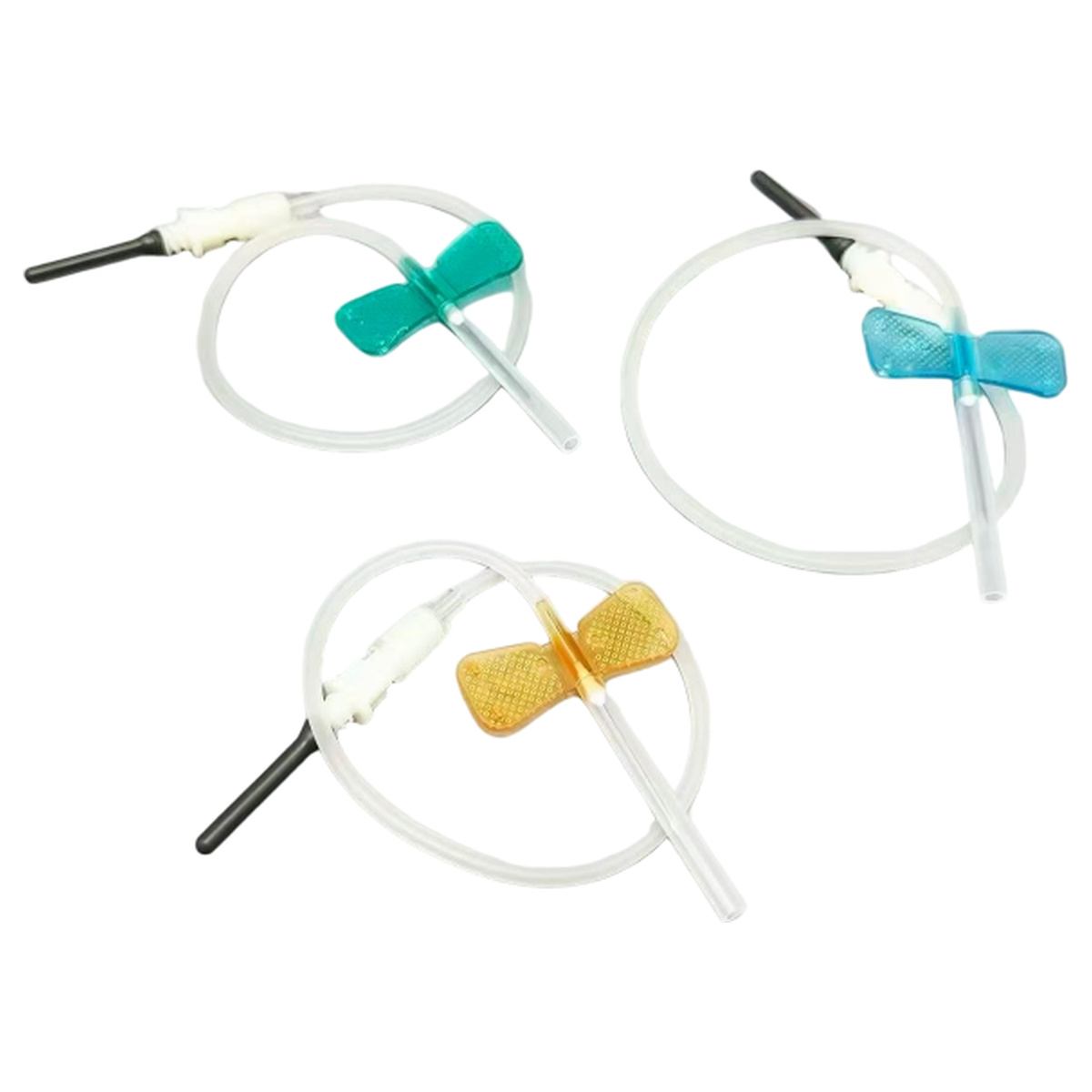
Veterinary Butterfly Blood Collection Needle - 21G / 23G / 25G
- Gauges: 21G / 23G / 25G
- Tubing: flexible PVC, luer outlet
- Type: single use, sterile
- Packing: individual, boxes of 100
- Product description: Single-use winged blood collection needles with flexible tubing and luer outlet, 21G to 25G, colour coded. For feline jugular, cephalic and marginal ear sampling.
For a small volume of blood from a small vein, a butterfly needle does something a straight needle cannot: it lets the needle sit still while the syringe or the tube is being handled. The wings give two points of contact on the skin, and the flexible tubing between the needle and the hub absorbs the movement of the operator's hand. That is why it is the default for feline jugular and marginal ear collections, and for any patient that will not hold still.
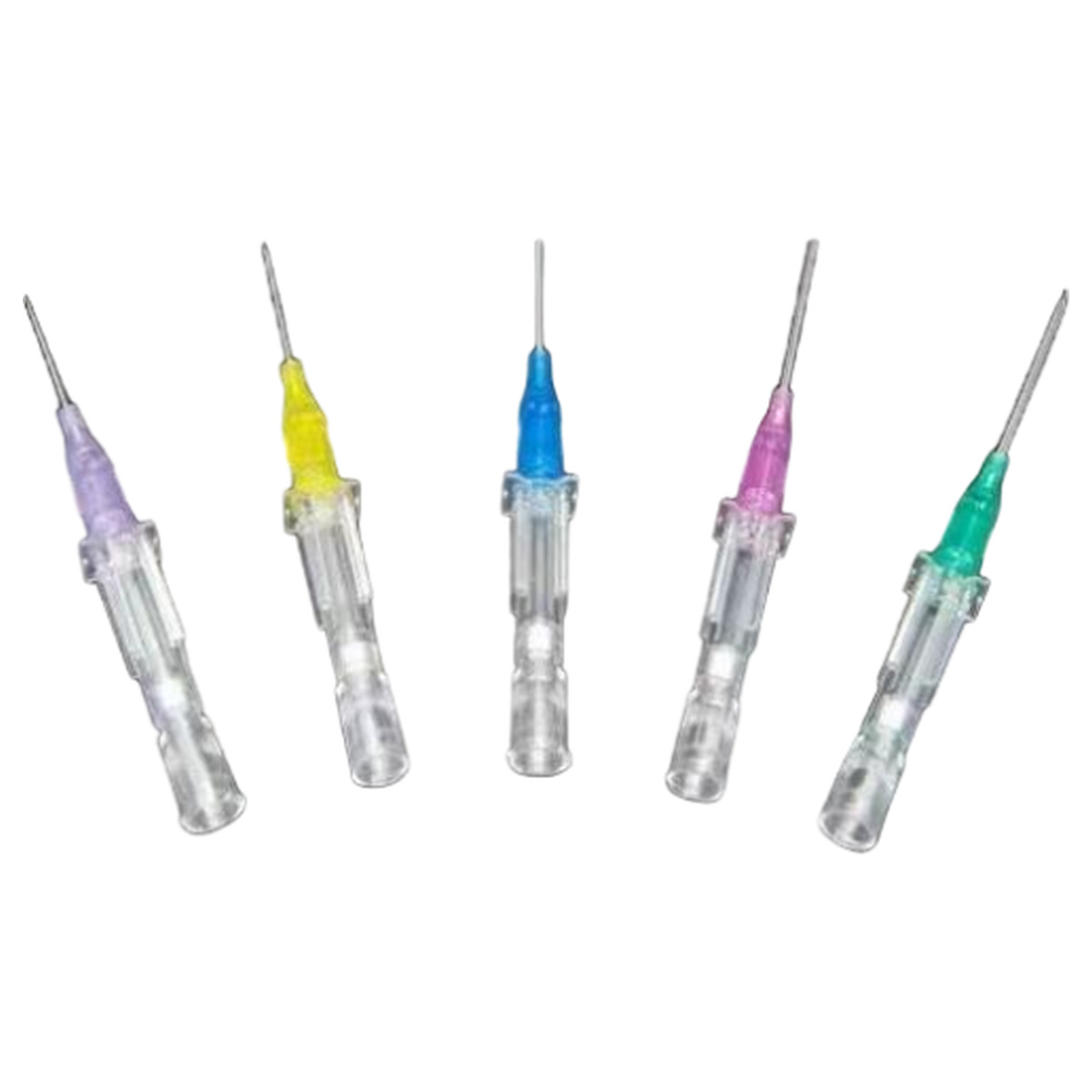
These are single-use winged collection needles with colour-coded hubs and a length of flexible tubing ending in a female luer that takes a syringe or a vacutainer holder. Three gauges cover most small animal work: 21G for a robust vein and a fast draw, 23G for the average cat or small dog, and 25G for the thinnest veins and paediatric patients.
Why the tubing matters
With a straight needle, every adjustment of the syringe moves the bevel inside the vein, and each movement is a small tear. The tubing decouples the two, so the needle can stay where it was placed while the tube fills. In a cat jugular that is the difference between one clean sample and a haematoma that ruins the site for the next attempt.
Technique
- Anchor the vein first - occlude, let it fill, and hold the skin taut below the site; a rolling vein is a missed vein
- Enter bevel up at a shallow angle - 15 to 30 degrees, then flatten as flashback appears
- Hold the wings, not the tubing - the wings are the anchor; pulling on the tubing drags the needle
- Release the tourniquet before removing - and press off with gauze for at least 30 seconds in a cat
| Parameter | Value |
|---|---|
| Type | Winged (butterfly) blood collection needle, single use |
| Gauges | 21G, 23G, 25G, colour coded |
| Tubing | Flexible PVC, female luer outlet |
| Sterility | Single use, sterile, EO sterilised |
| Packing | Individually packed; boxes of 100 on request |
| Application | Jugular, cephalic and marginal ear collection; canine and feline |
Common mistakes
The most common is using a needle that is too short for the depth of the vein, which means the hub, not the bevel, ends up at the skin and the needle cannot be flattened. The second is drawing too hard: negative pressure collapses a small vein onto the bevel and the flow stops. Pull gently and let the vein fill. The third is re-inserting through the same skin hole after a miss, which pushes a blunt tip into the vessel wall; start again slightly proximal with a fresh needle.
For a cat, 23G is usually the right compromise. A 25G is kinder to the vein but slow, and a slow draw in a struggling cat is how you get a clotted sample.
Ordering
Boxes by gauge, or a mixed box of the three. If you do a lot of in-house haematology, tell us and we will quote the mix that matches your tube sizes.
Related Products
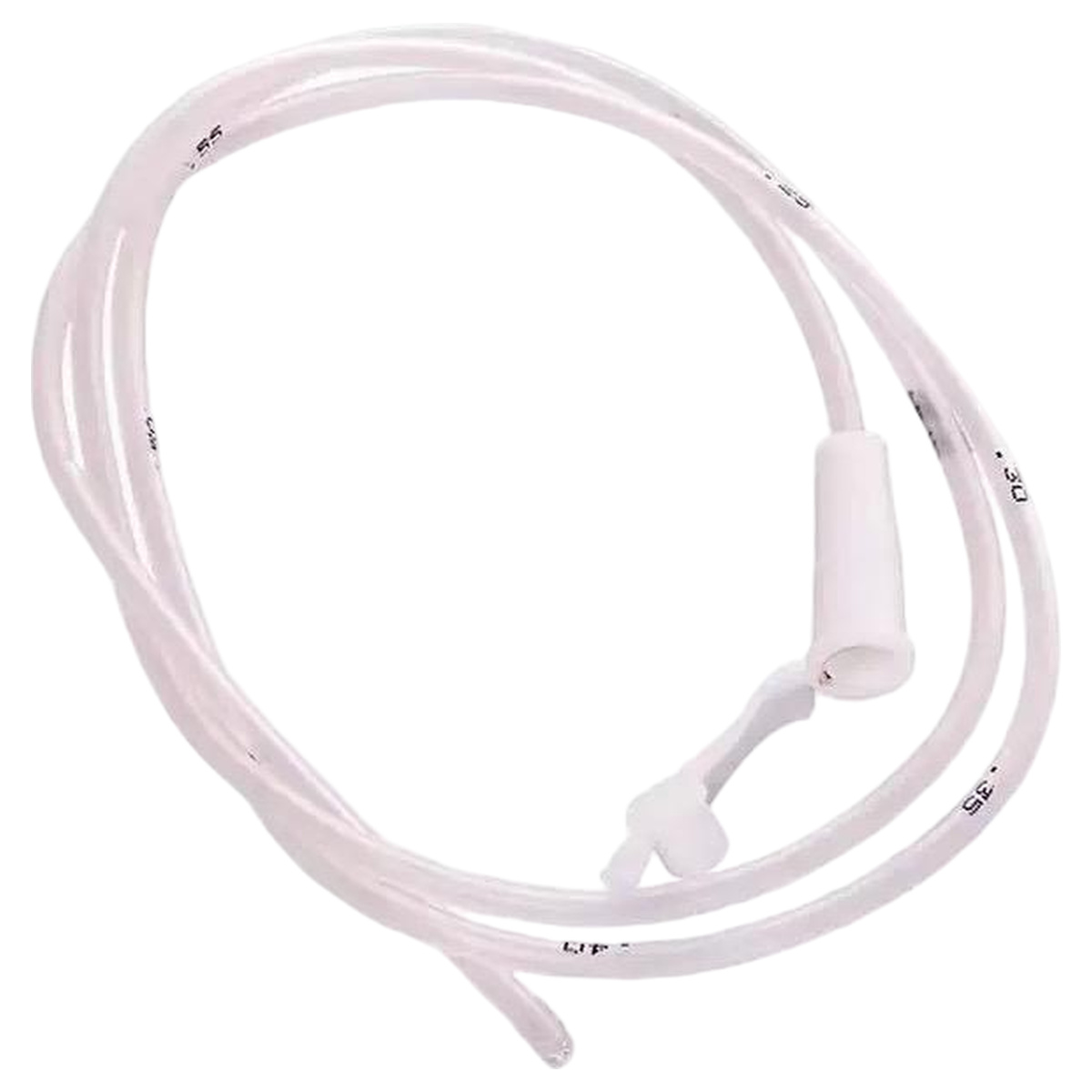
Veterinary IV Extension Tube -
Short IV extension set with Y-port injection site and luer lock connec
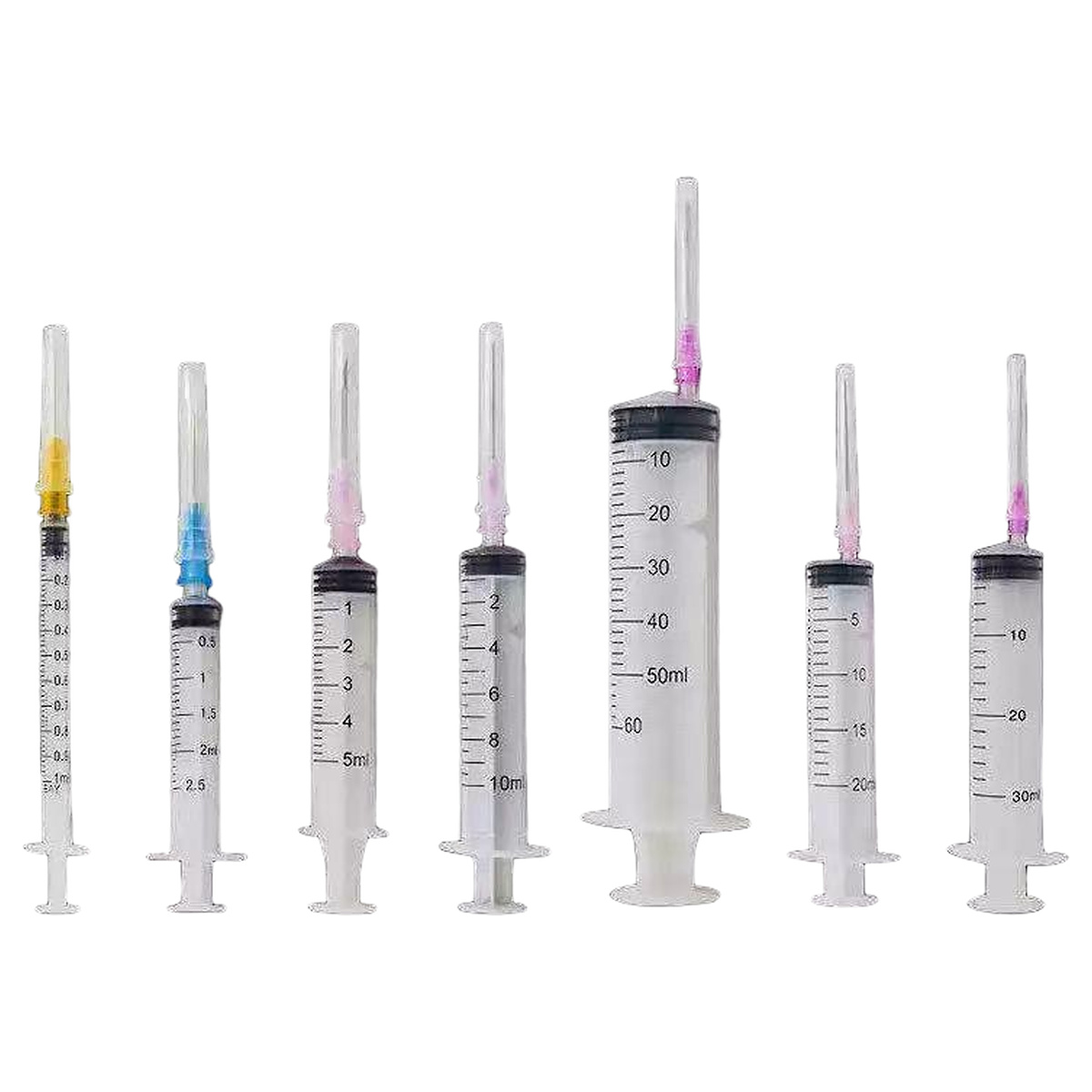
Veterinary Disposable Syringes
Single-use veterinary syringes from 1 ml to 60 ml with clear graduatio
Veterinary IV Catheter - Winge
Winged over-the-needle peripheral IV catheters for dogs and cats, 14G
Categories
Latest News
Contact Us
Contact: Mario
Phone: +8613482534556
Tel: +86-574-62913789
Add: No.33 West Road, Gaoqiao Town, Ningbo, Zhejiang, China