


Imaging & Digital Dentistry
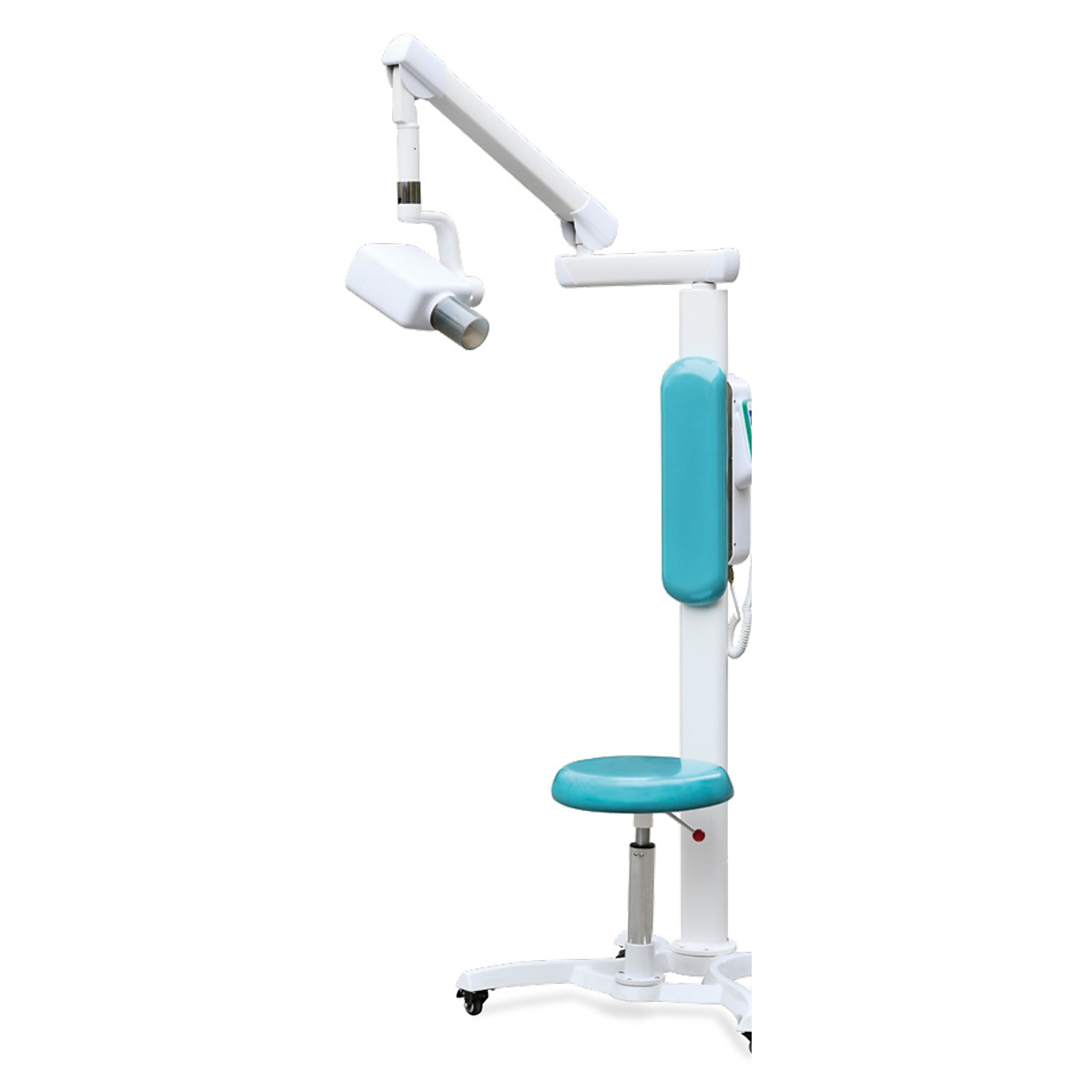
Dental X-Ray Unit 70 kV
- Generator: high frequency, 200 kHz
- Output: 70 kV / 8 mA
- Focal spot: 0.4 mm
- Timer: 0.02 - 4 s
- Product description: High-frequency intraoral dental X-ray unit, 70 kV / 8 mA at 200 kHz, 0.4 mm focal spot, 0.02-4 s timer, with wall control panel and hand-held remote.
An intraoral X-ray is the most-used piece of imaging equipment in a dental practice and the one most often bought on price alone. The difference between a unit that produces a film you can read and one that produces a film you have to repeat is not the kilovoltage on the label - almost every unit is 70 kV - it is the shape of the voltage waveform and the size of the focal spot.
This is a wall-mounted or column-mounted intraoral unit running at 70 kV and 8 mA with a high-frequency generator at 200 kHz. The head sits on a folding arm with a long reach, so the tube can be brought to the patient from the side the film is placed on rather than the patient being turned to the tube.
Why the frequency matters
A conventional mains-frequency generator produces a voltage that rises and falls with the supply, so most of the exposure is delivered at a voltage below the peak. The low-energy part of that spectrum is absorbed by soft tissue and contributes dose without contributing to the image. A high-frequency generator holds the voltage steady through the exposure, which means a shorter exposure at a more penetrating energy: less scatter, better contrast between enamel and dentine, and a lower dose for the same film density. On a child or a small animal where the film has to be held still, the shorter exposure is also the difference between a sharp image and a blurred one.
Exposure time
The timer runs from 0.02 to 4 seconds in fine steps. For a digital sensor the exposure is at the short end and the setting is not the same as for film - a sensor that is overexposed does not darken, it saturates, and the detail in the enamel is lost without any warning that it has happened. Set the time against the sensor you use, not against the setting that worked on film.
The control panel
The control is a wall panel with a hand-held remote on a coiled lead, so the operator can stand outside the primary beam and still fire the exposure. The panel displays the selected time and the ready state; the remote has a single button, which is the right number for a control that is used with gloves on in a darkened room.
| Parameter | Value |
|---|---|
| Generator | High frequency, 200 kHz |
| Tube voltage | 70 kV |
| Tube current | 8 mA |
| Focal spot | 0.4 mm |
| Exposure time | 0.02 - 4 s |
| Supply | 220 VAC, 50 Hz |
| Leakage | 0.025 mGy/h or less at one metre |
| Mounting | Column with patient stool, or wall bracket |
Positioning
The long arm is not there to save the operator a step: a beam that is not perpendicular to the film produces an image that is elongated and overlapped, and the paralleling technique only works if the cone can actually reach the position the technique requires. Check that the arm reaches the far side of the chair before the unit is mounted - a bracket fixed too close to the chair is a bracket that has to be moved.
Before ordering
Tell us the wall construction and the height of the ceiling, and whether the practice uses film, phosphor plates or a sensor, because the exposure chart supplied with the unit is set up for one of them. Mains voltage and plug type are confirmed against the destination before shipment.
Related Products
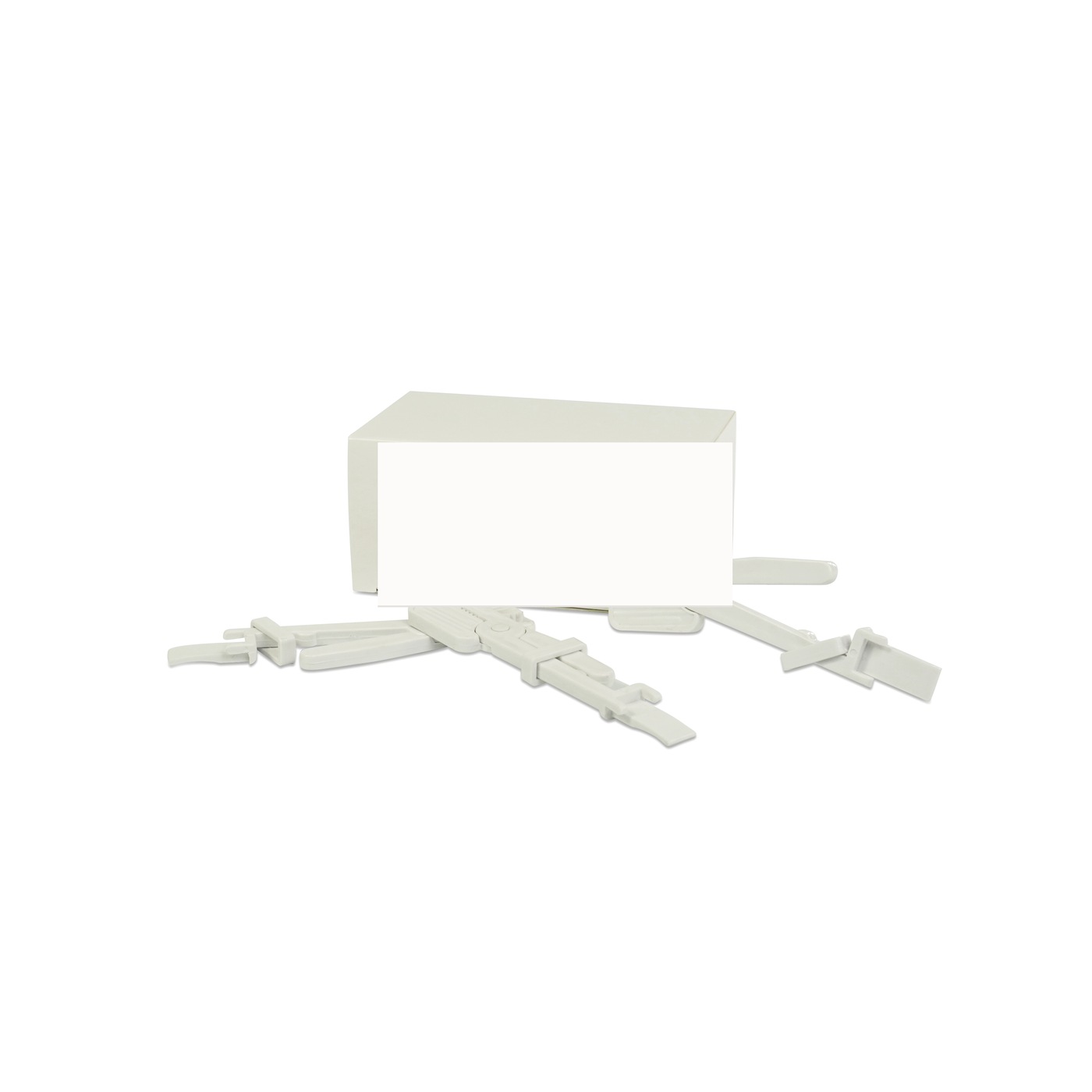
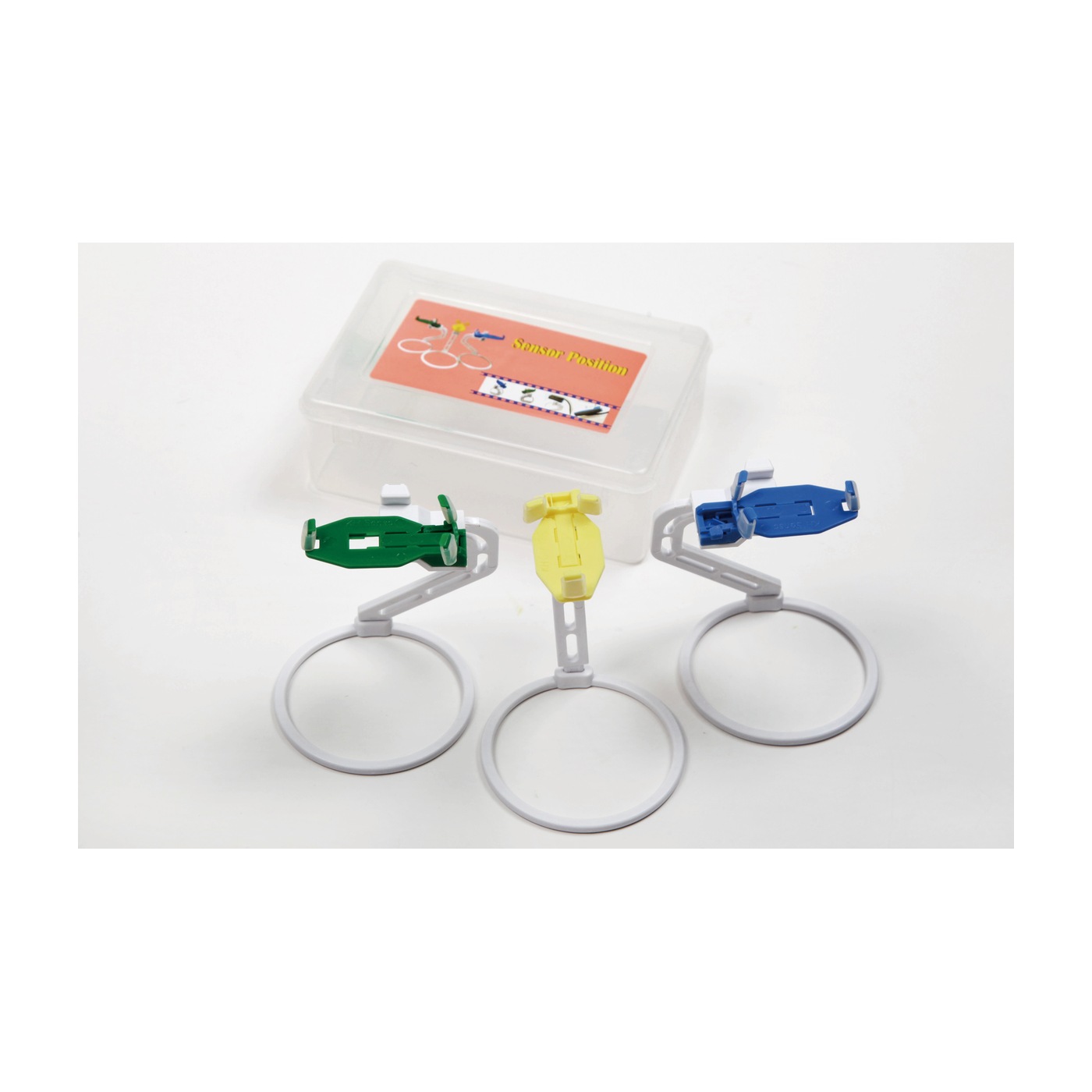
Digital Sensor Positioner with
Paralleling-technique positioner for wired digital sensors. Adjustable
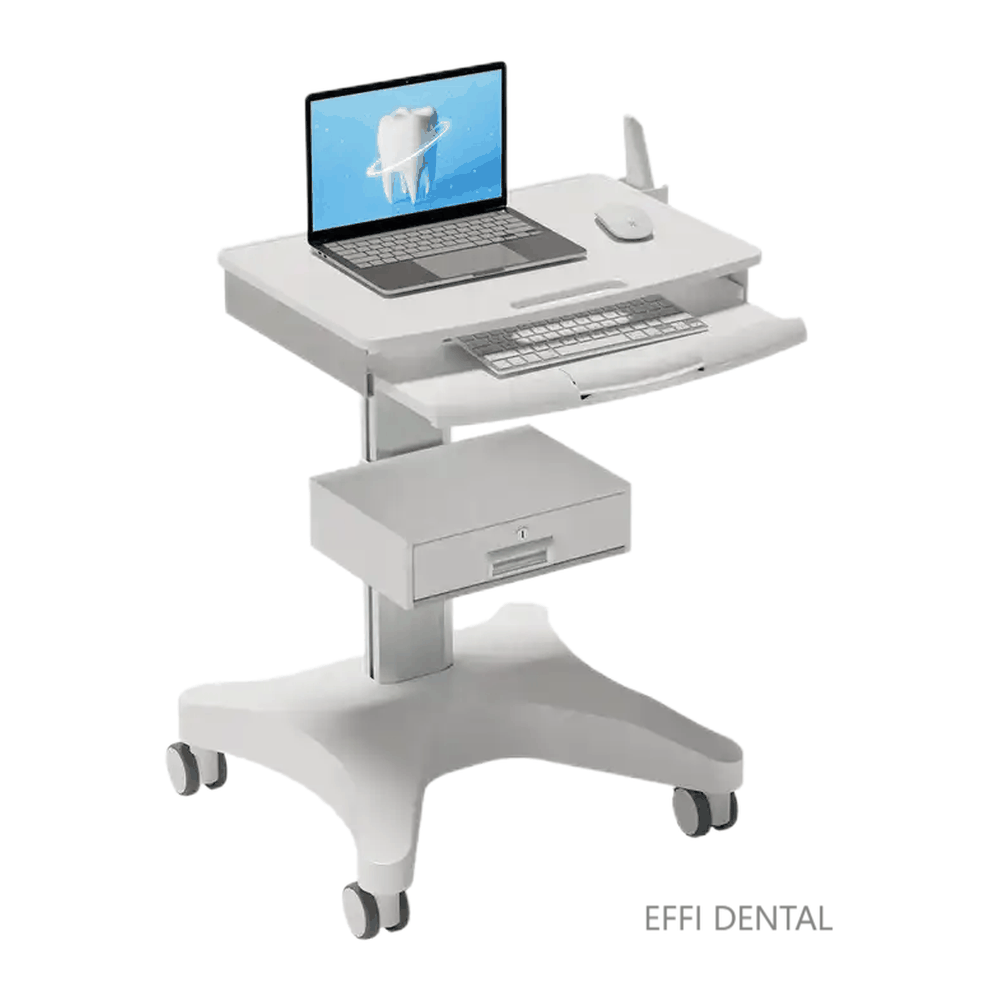
Dental Computer Cart with Scan
Mobile dental computer cart with CPU shelf, monitor mount, keyboard tr
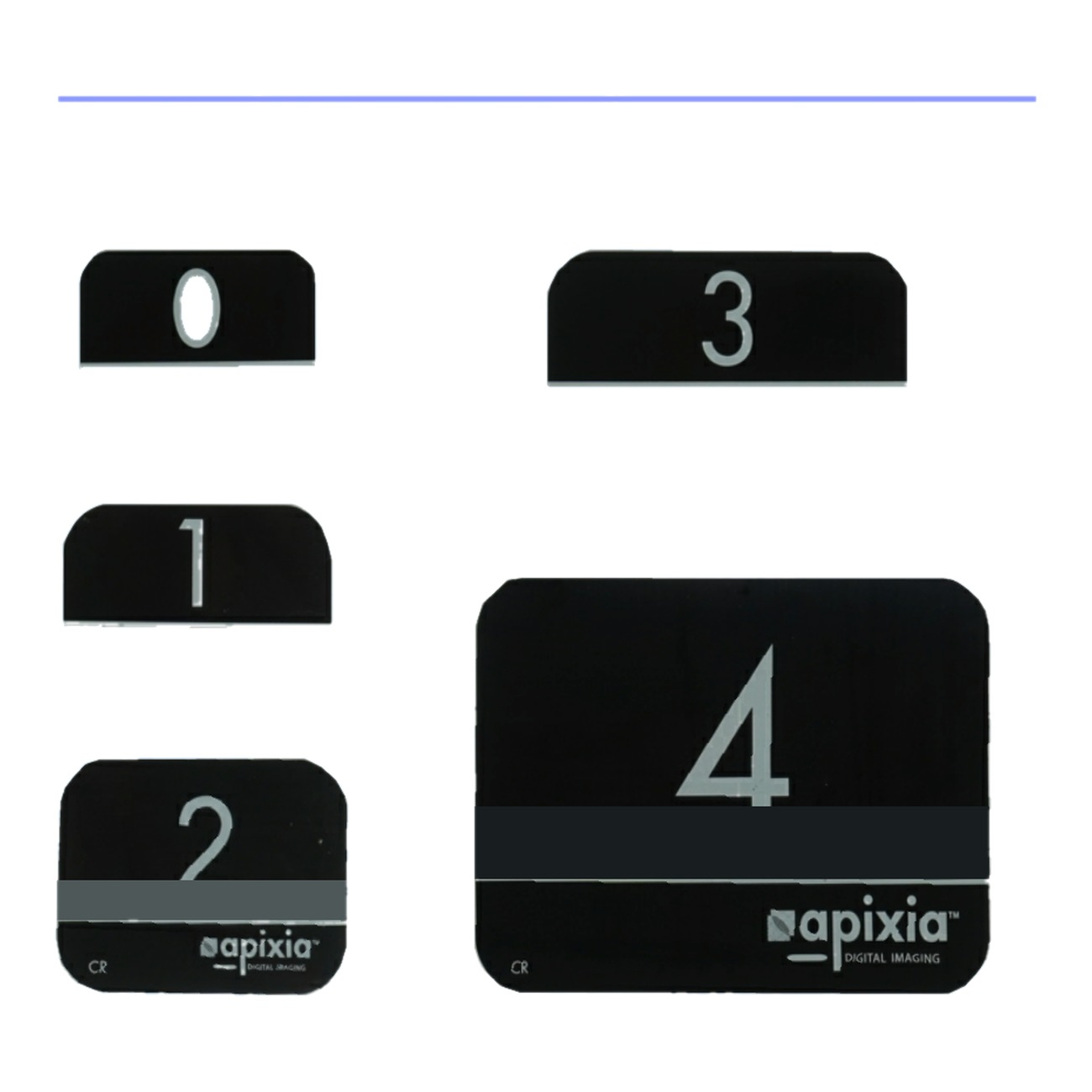
Dental Phosphor Imaging Plates
Intraoral photostimulable phosphor plates in sizes 0 to 4, insert and
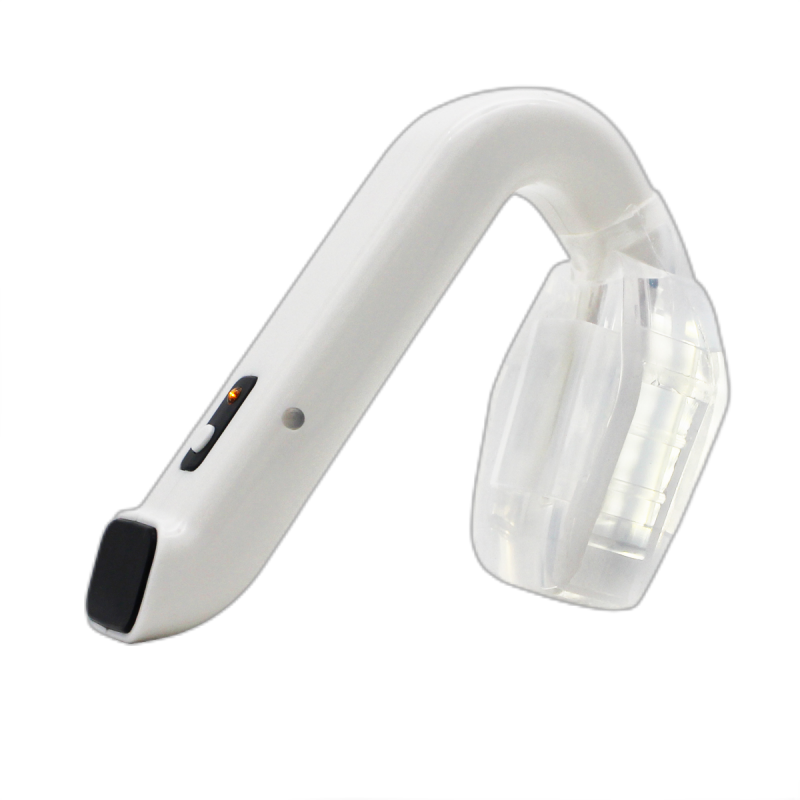
Rechargeable Intraoral LED Lig
Rechargeable intraoral LED light for photography and visibility. Four
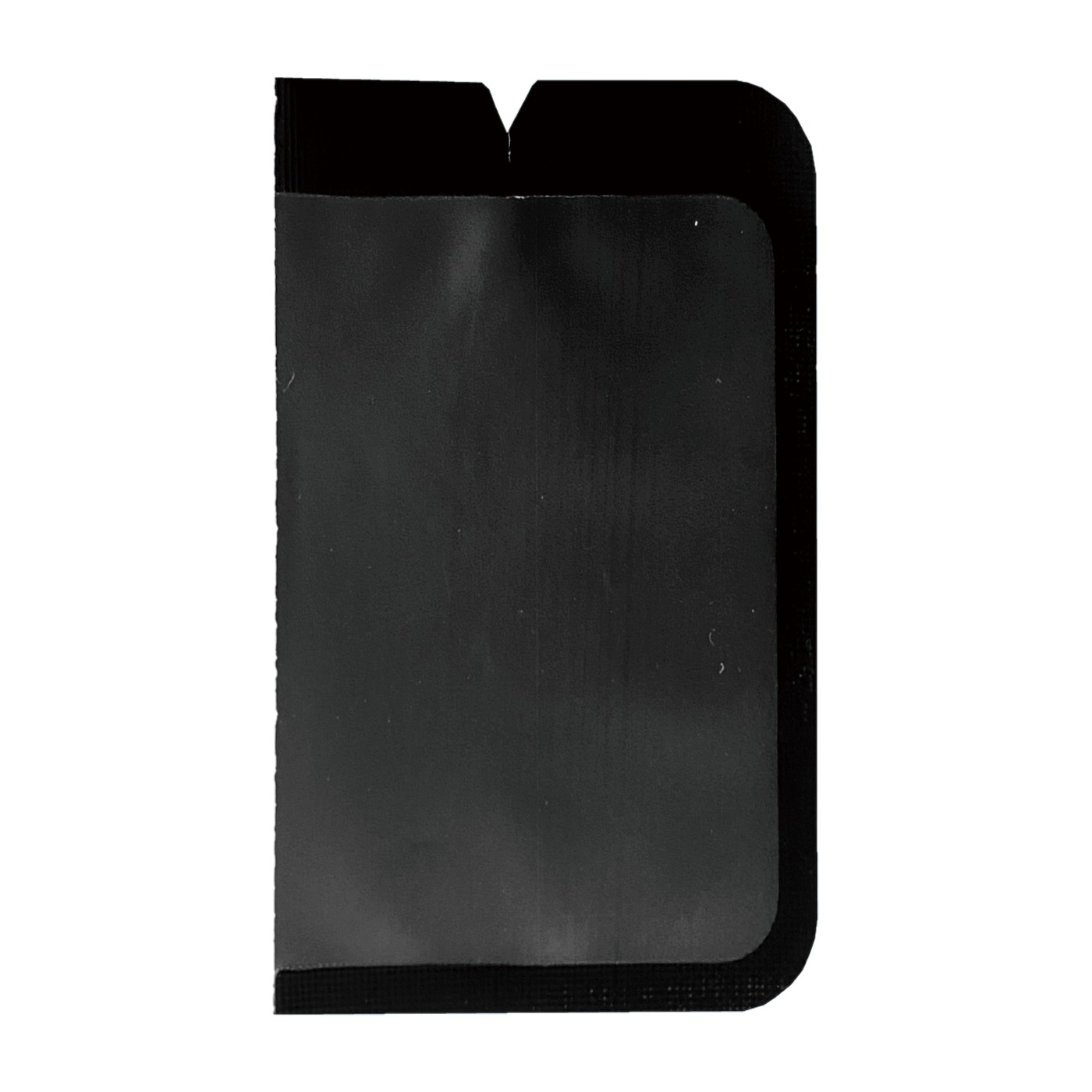
Imaging Plate Barrier Envelope
Barrier envelopes with the tape on the long edge and a tear notch on t
Categories
- Endodontics
- Burs, Polishers & Abrasives
- Handpieces & Motors
- Restorative & Prosthodontics
- Imaging & Digital Dentistry
- Orthodontics
- Unit Parts & Accessories
- Dental Instruments
- Implant & Biomaterials
- Preventive & Whitening
- Infection Control & Disposables
- Dental Lab & Materials
- dental equipment
- Loupes & Accessories
Latest News
Contact Us
Contact: Mario
Phone: +8613482534556
Tel: +86-574-62913789
Add: No.33 West Road, Gaoqiao Town, Ningbo, Zhejiang, China