


Imaging & Digital Dentistry
Imaging Plate Barrier Envelopes - Type 3
- Opening: Long edge tape
- Tear: Short edge notch
- Material: PE / PVC / biodegradable
- Packing: 100-500 per box
- Product description: Barrier envelopes with the tape on the long edge and a tear notch on the short edge. PE, PVC or biodegradable film, sizes 0 to 4.
Type 3 puts the adhesive along the long edge of the envelope and the tear notch at the middle of the short edge. That combination is aimed at one action: getting the plate out again after the exposure without touching the contaminated outer surface.
The plate goes in through the long opening, which is the wider side, so a size 4 plate slides in without being flexed. After exposure, the short-edge notch is torn and the envelope splits down the middle, dropping the plate out into a clean hand or a receptacle.
Sizes
| Size | Inner size | Fits plate |
|---|---|---|
| 0 | 24 x 37 mm | 22 x 35 mm |
| 1 | 28 x 44 mm | 24 x 40 mm |
| 2 | 33 x 46 mm | 31 x 41 mm |
| 3 | 30 x 57 mm | 27 x 54 mm |
| 4 | 60 x 80 mm | 57 x 76 mm |
The inner size is deliberately a few millimetres larger than the plate in each direction. An envelope that fits the plate exactly will not close over a plate that is slightly warped, and a plate that has to be forced in will be creased at the corner.
Material options
| Material | Behaviour | When to choose it |
|---|---|---|
| PE film | Soft, flexible, good barrier | General chairside use |
| PVC film | Stiffer, clearer, holds shape | Where staff prefer a firmer envelope |
| Biodegradable film | Composts in commercial conditions | Practices with a sustainability policy |
Biodegradable film should not be described as compostable in a home bin. It needs industrial conditions, and the barrier performance during use is the same as PE, so the choice is a waste-policy decision rather than a clinical one.
Packing
Boxed in 100, 200, 300 or 500 pieces. The 500 box is the practical size for a clinic running a full-mouth series most days; the smaller boxes suit a practice that wants to stock several sizes without holding years of inventory.
Where Type 3 and Type 4 differ
Type 4 moves the adhesive to the short edge and puts the tear notches under the long edge, which reduces the amount of film border sitting outside the plate. If patients comment on the envelope feeling bulky behind the film, Type 4 is the version to try. Type 3 is the more familiar layout for staff who have used barrier envelopes before.
Related Products
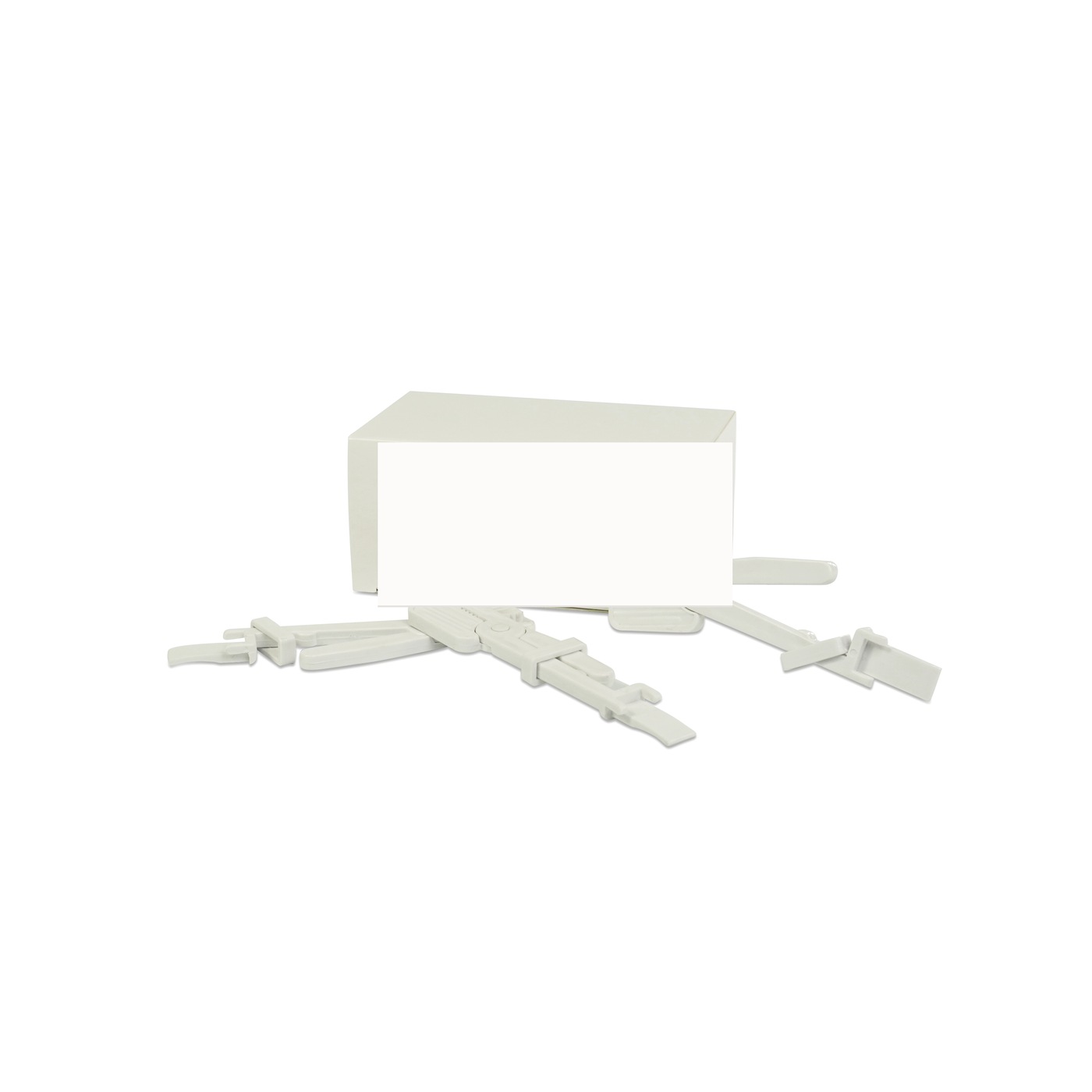
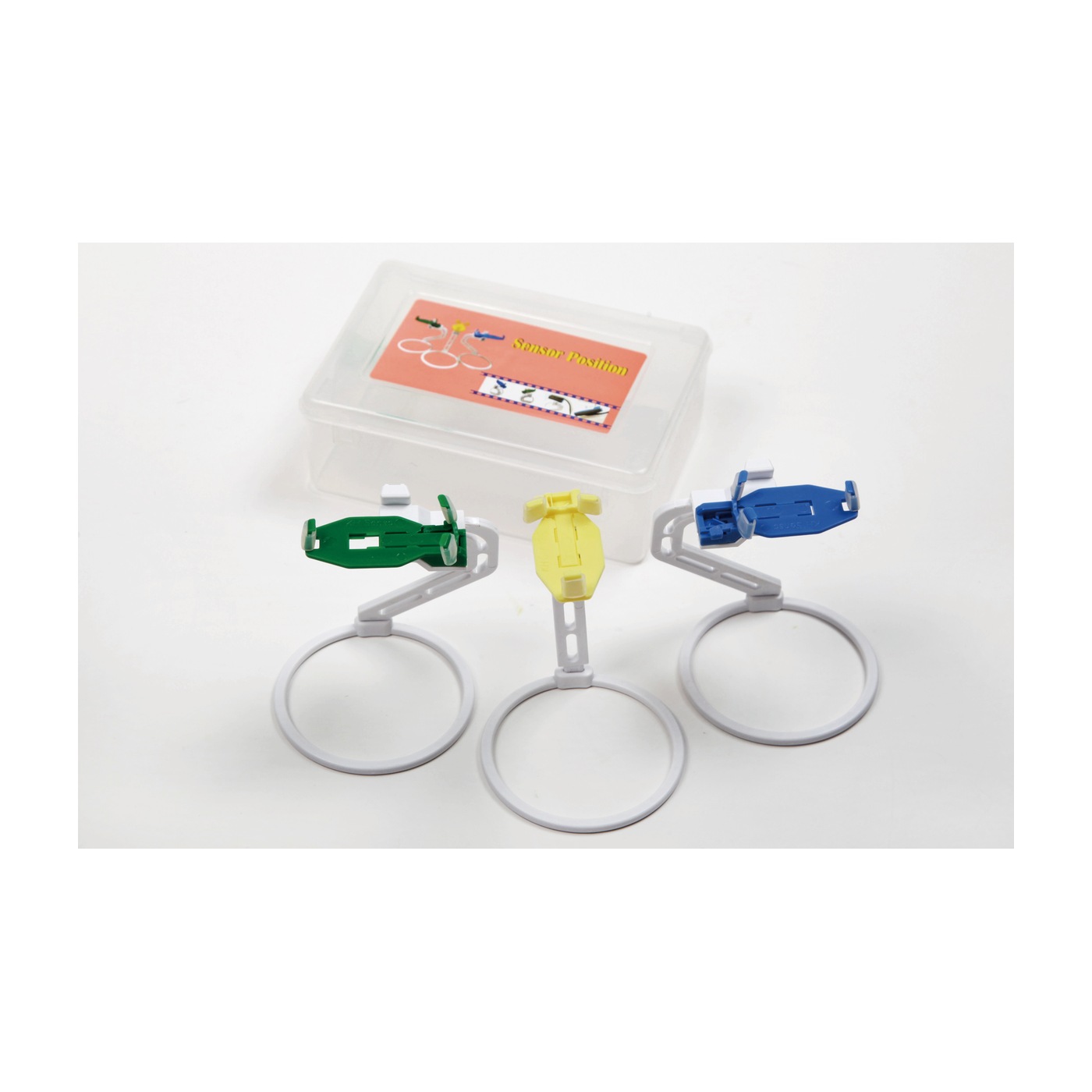
Digital Sensor Positioner with
Paralleling-technique positioner for wired digital sensors. Adjustable
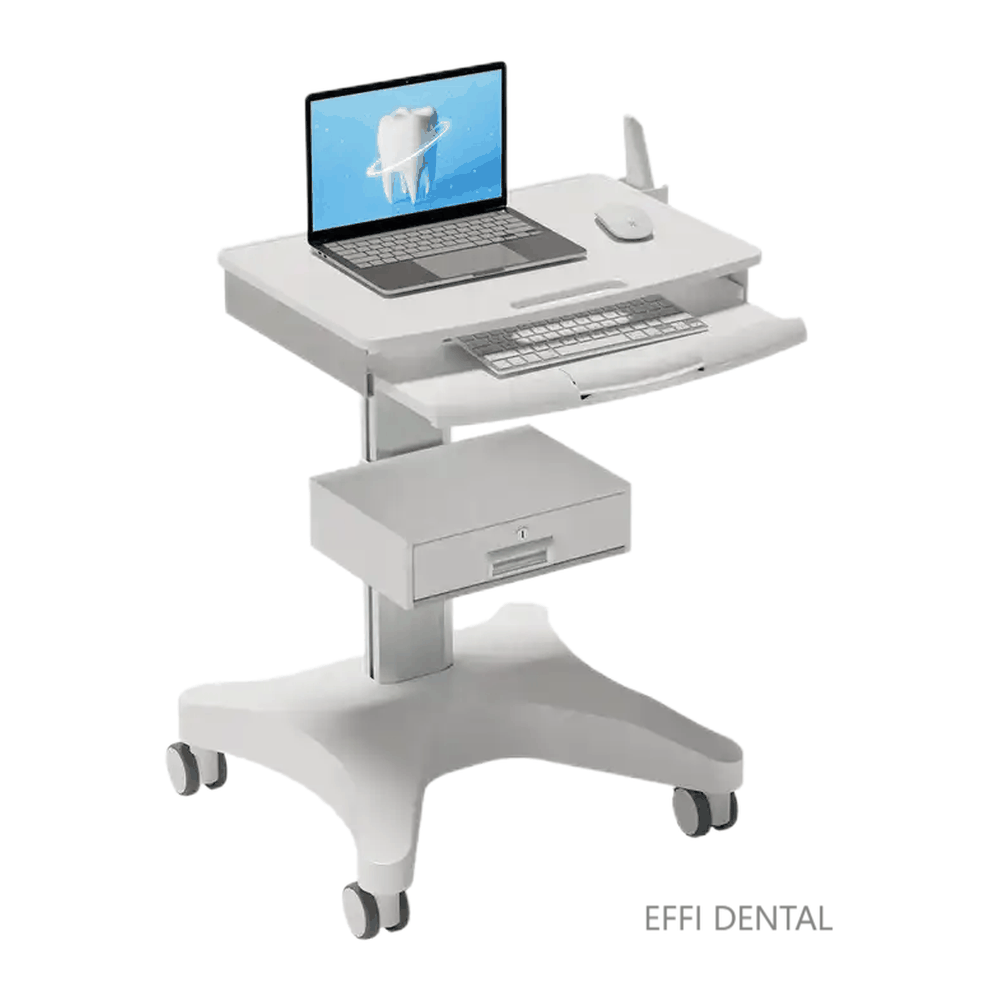
Dental Computer Cart with Scan
Mobile dental computer cart with CPU shelf, monitor mount, keyboard tr
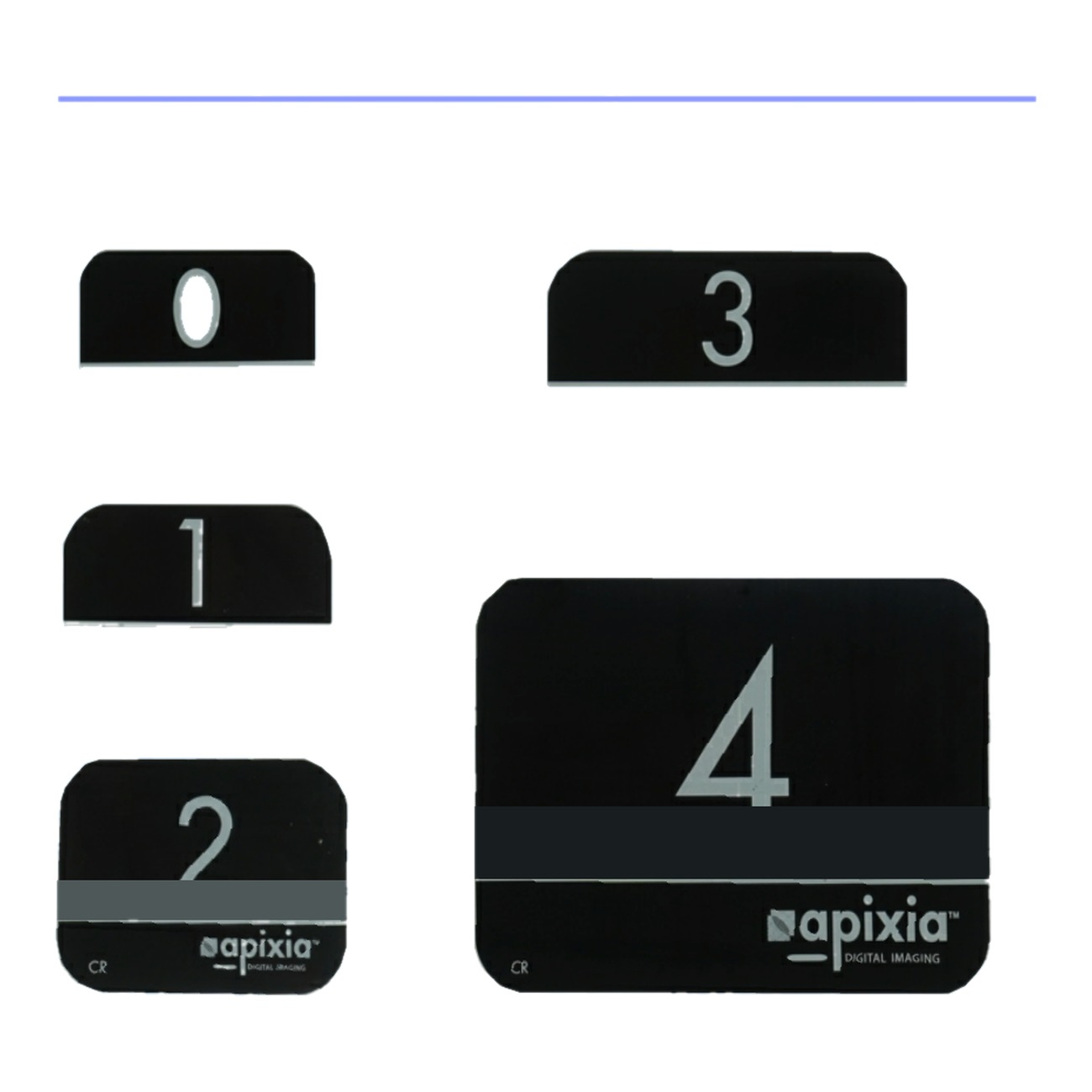
Dental Phosphor Imaging Plates
Intraoral photostimulable phosphor plates in sizes 0 to 4, insert and
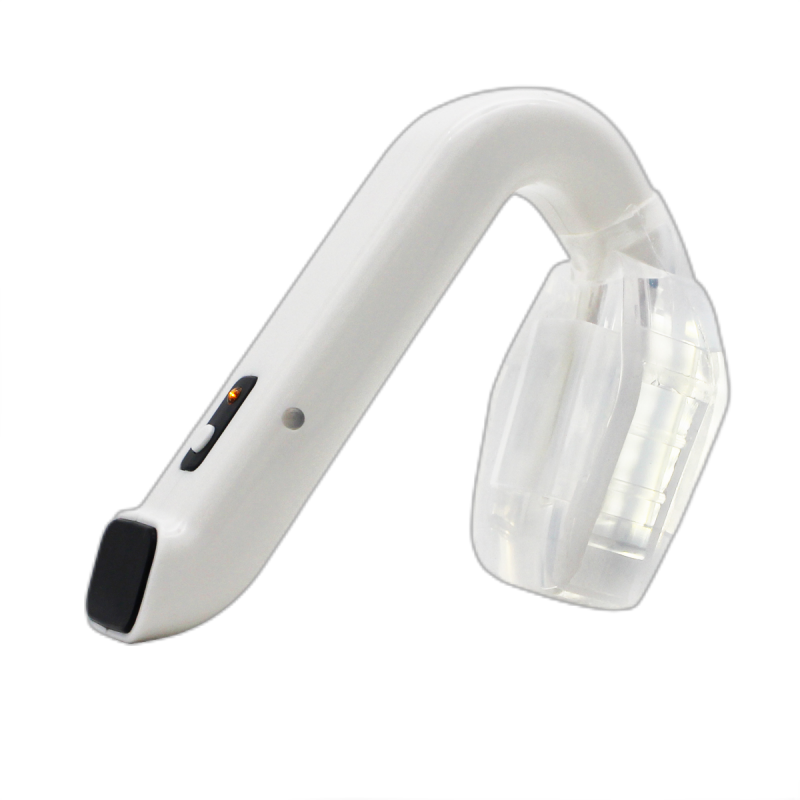
Rechargeable Intraoral LED Lig
Rechargeable intraoral LED light for photography and visibility. Four

Categories
- Endodontics
- Burs, Polishers & Abrasives
- Handpieces & Motors
- Restorative & Prosthodontics
- Imaging & Digital Dentistry
- Orthodontics
- Unit Parts & Accessories
- Dental Instruments
- Implant & Biomaterials
- Preventive & Whitening
- Infection Control & Disposables
- Dental Lab & Materials
- dental equipment
- Loupes & Accessories
Latest News
Contact Us
Contact: Mario
Phone: +8613482534556
Tel: +86-574-62913789
Add: No.33 West Road, Gaoqiao Town, Ningbo, Zhejiang, China