


Vet Anesthesia & Airway
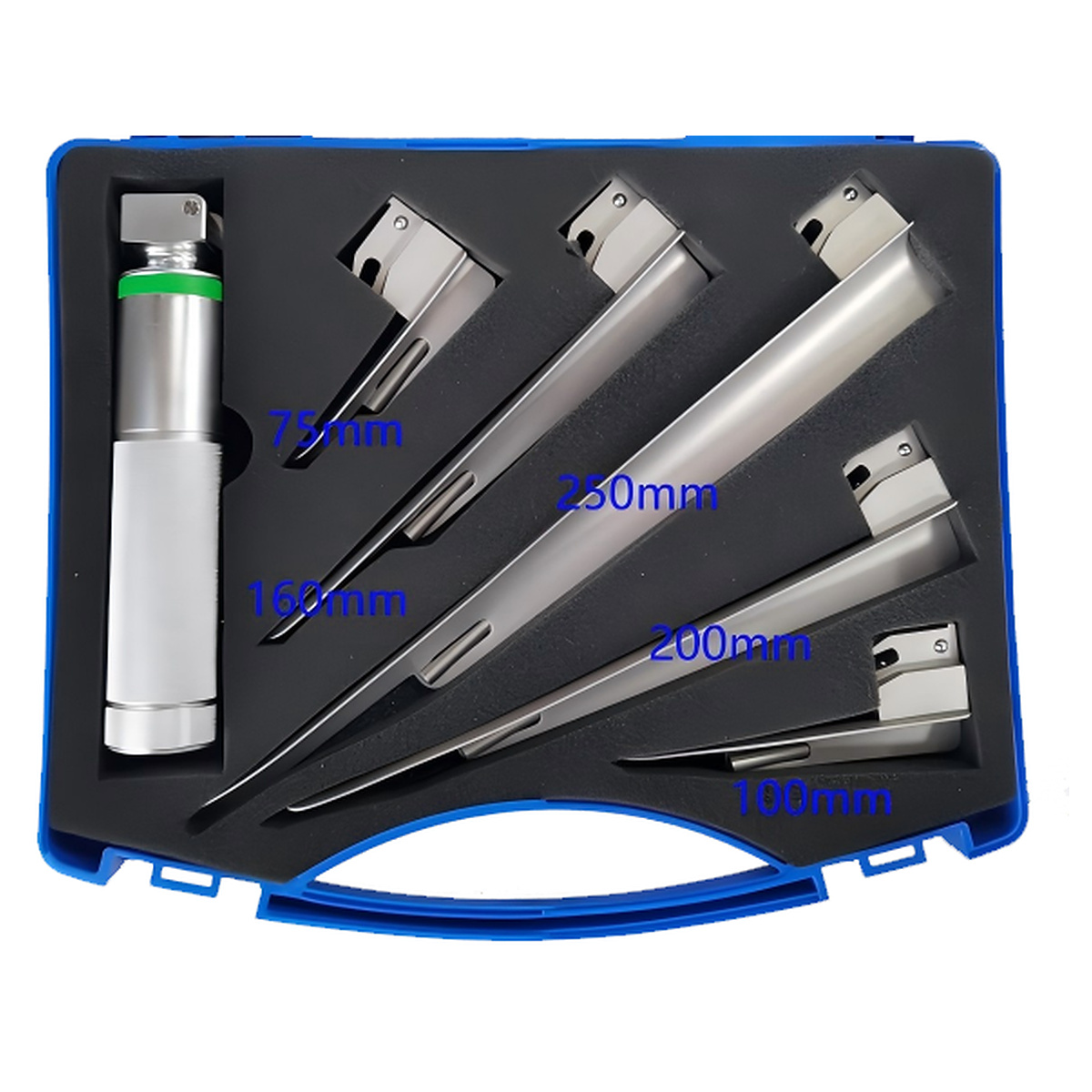
Laryngoscope Blade Kit
- Blades: 75 / 100 / 150 / 200 mm
- Handle: stainless, battery, green collar
- Case: moulded, holds handle + 4 blades
- Sterilisation: blades autoclave, handle wipe
- Product description: Four laryngoscope blades (75, 100, 150, 200 mm) with battery handle in a moulded case. Interchangeable blades with green collar fitting; blades autoclavable.
Blades are the part of a laryngoscope that wears out, and the part that has to be the right length for the patient in front of you. A handle lasts for years; a blade gets bent, its lamp fails, or its tip is damaged by a patient that bites down as it wakes. Keeping a set of blades in a case, with a spare handle, is what lets an intubation go ahead when the blade on the trolley is the wrong size or has a dead lamp.
This is a four-blade kit in a moulded case with a battery handle: blades at 75 mm, 100 mm, 150 mm and 200 mm, and a stainless handle with a green collar marking the fitting. The blades hook onto the handle and lock, with the lamp contact at the blade end so the light comes on when the blade is seated.
Why four lengths rather than one
Blade length has to match the distance from the incisors to the larynx, and that distance varies more than body weight suggests - a brachycephalic dog and a narrow-skulled dog of the same weight need different blades. A blade that is too short will not reach past the epiglottis, and no amount of head positioning will fix it. A blade that is too long buries its tip in the larynx and gives no view. The four lengths cover the range from a cat or a rabbit up to a large canine, and having them in one case means the choice is made at the table rather than in the prep room.
Fitting and the green collar
Blades and handles have to be the same fitting pattern. The green collar identifies this pattern; a blade from a different pattern will hook on but will not make contact with the lamp, which is the usual reason a blade that worked on the trolley is dark in the mouth. Check the light before induction, every time, and keep a spare battery in the case.
| Parameter | Value |
|---|---|
| Blades | 4: 75 mm, 100 mm, 150 mm, 200 mm |
| Handle | Stainless, battery, green collar fitting |
| Light | Lamp in blade, contact at blade end |
| Case | Moulded, holds handle and four blades |
| Sterilisation | Blades autoclave; handle wiped, battery removed |
| Application | Endotracheal intubation, canine, feline, rabbit |
Handling a blade that has to last
Do not lever against the upper incisors - in the cat and the small dog the crown is thin and the blade will chip it. Lever against the blade tip in the airway. Do not use the blade as a bite block; a patient that clenches on a steel blade damages the tip and sometimes the lamp housing, which is how a blade ends up in the case with a light that works intermittently.
After use, detach the blade, remove organic debris with a soft brush, and autoclave blades separately from the handle. The handle is not immersion-proof: wipe it, dry it with the battery out, and leave the cap off until it is dry, because moisture in the battery compartment corrodes the contact and the failure is intermittent for months before it is total.
Buying
The kit is supplied complete, and blades can be ordered individually as replacements in any of the four lengths. If you already use a five-blade Miller set and only need spares in specific sizes, tell us which lengths you go through and we will quote those rather than a second full kit.
Related Products
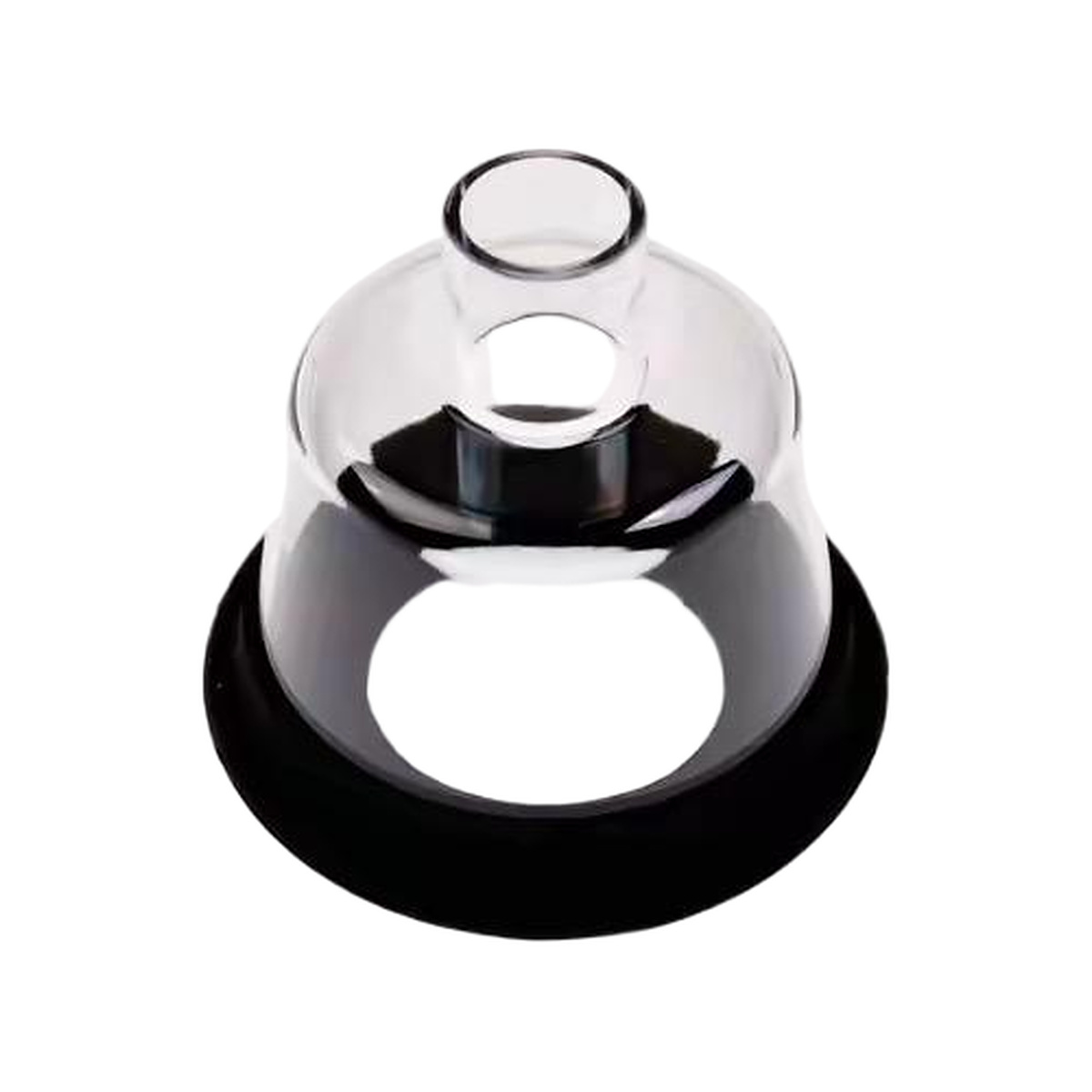
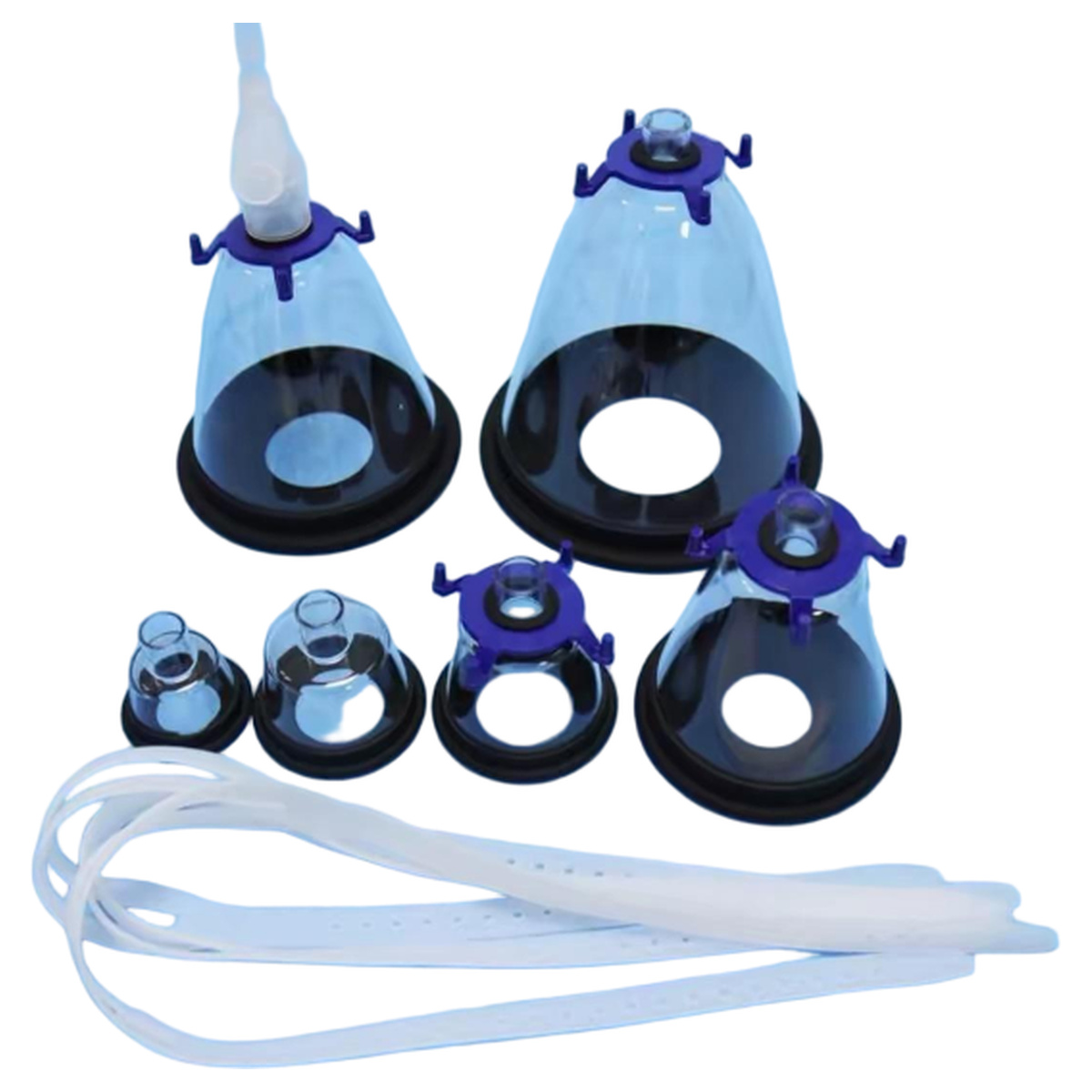
Veterinary Oxygen Mask Kit - 5
Veterinary oxygen mask kit with five graduated cones from kitten to la
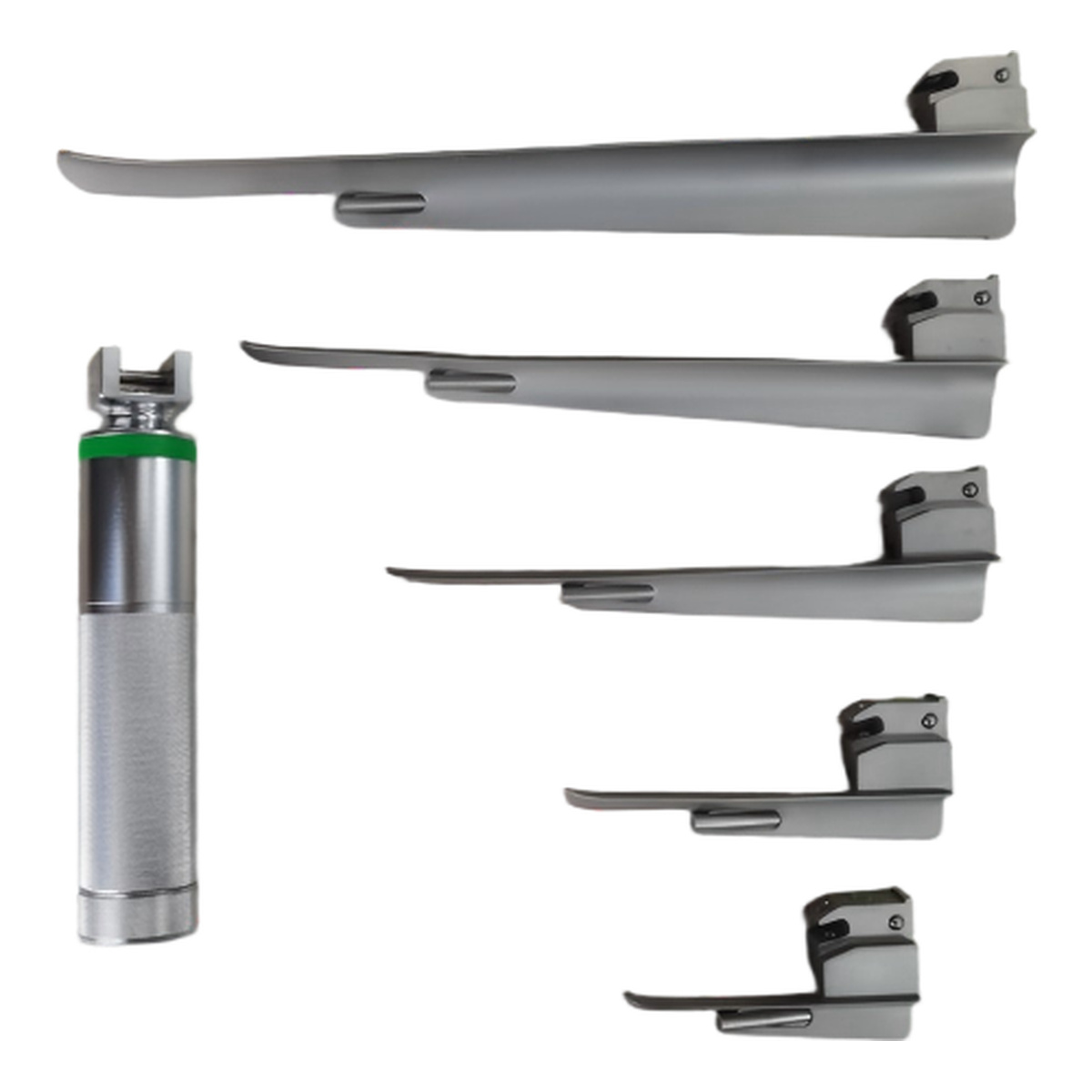
Veterinary laryngoscope set with five straight Miller blades from paed
Categories
Latest News
Contact Us
Contact: Mario
Phone: +8613482534556
Tel: +86-574-62913789
Add: No.33 West Road, Gaoqiao Town, Ningbo, Zhejiang, China