


Dental Lab & Materials
Lithium Glass Ceramic CAD/CAM Blocks - HT and LT, 23 Shades
- Material: Lithium glass ceramic (SiO2 61-71%, Li2O 11-17%)
- Translucency: HT and LT
- Size: C14 18x15x13 mm, B40 40x15x14 mm
- Shades: 23 VITA / bleach / OM
- Product description: Lithium-based glass ceramic blocks for chairside CAD/CAM. HT and LT, 637 MPa biaxial strength, C14 and B40 sizes, 23 VITA and bleach shades.
The difference between a glass ceramic that lasts and one that chips is usually not the block. It is the crystallization run. A block crystallized on the wrong ramp has the strength of the raw blank and the fit of a crown that moved - and it looks fine until the patient bites.
These are lithium-based glass ceramic blocks: SiO2 61-71%, Li2O 11-17%, ZrO2 1-5%. Biaxial strength after crystallization is 637 MPa, measured to the ISO 6872:2008 method, against the 300 MPa the standard sets as the threshold for a three-unit anterior bridge. That margin is what allows a chairside crown to be milled, crystallized and seated in one appointment.
HT or LT. HT is the higher-translucency version for a monolithic anterior crown, a veneer or an inlay where the shade has to come from the block. LT is denser and more opaque: use it under a veneering ceramic, for a posterior crown where the stump shade is dark, or wherever the restoration has to mask a metal post.
| Property | Value |
|---|---|
| Density | 2.4 - 2.7 g/cm3 |
| Vickers hardness | 5400 +/- 400 MPa |
| Fracture toughness | 2.55 MPa.m0.5 |
| Coefficient of thermal expansion | 9.8 +/- 0.5 x 10⁻⁶ /K |
| Crystallization temperature | 840 - 850 C |
| Chemical solubility | 30.3 ug/cm3 |
| Radiolucency | < 0.019 Bq/g |
| Biaxial strength (ISO 6872:2008) | 637 MPa |
Crystallization, two programs. Single stage: start 400 C, dry 30 s, heat 40 C/min to 840 C, hold 7 min, furnace 700 C, vacuum from 550 C to 840 C. Two stage, for a tighter fit on a long span: 400 C for 6 min, 60 C/min to 820 C for 10 s, then 30 C/min to 840 C and hold 7 min, vacuum 550-820 C. Use the program the furnace manufacturer validated for this glass; do not blend the two.
Sizes. C14 is 18 x 15 x 13 mm, 5 pieces per box - single units and small spans. B40 is 40 x 15 x 14 mm, 4 pieces per box - bridges and multi-unit cases. Every shade from A1 to D3 plus BL1-BL4 and OM1-OM3 is available in HT and LT, in both sizes.
Indications. Veneer, inlay, onlay, anterior crown, posterior crown, and a three-unit bridge up to the second premolar. Bond rather than cement: a glass ceramic needs a hydrofluoric acid etch and a silane, and the tooth needs a total-etch or a self-etch protocol rated for glass ceramic.
Limits. A three-unit bridge is the ceiling - this is not a substitute for zirconia in a four-unit or posterior cantilever case. Do not sandblast the intaglio: it removes the fit and leaves a surface that will not etch evenly. And check the crystallization tray: a block that touches the tray during the hold picks up a flat spot that shows at the margin.
Related Products
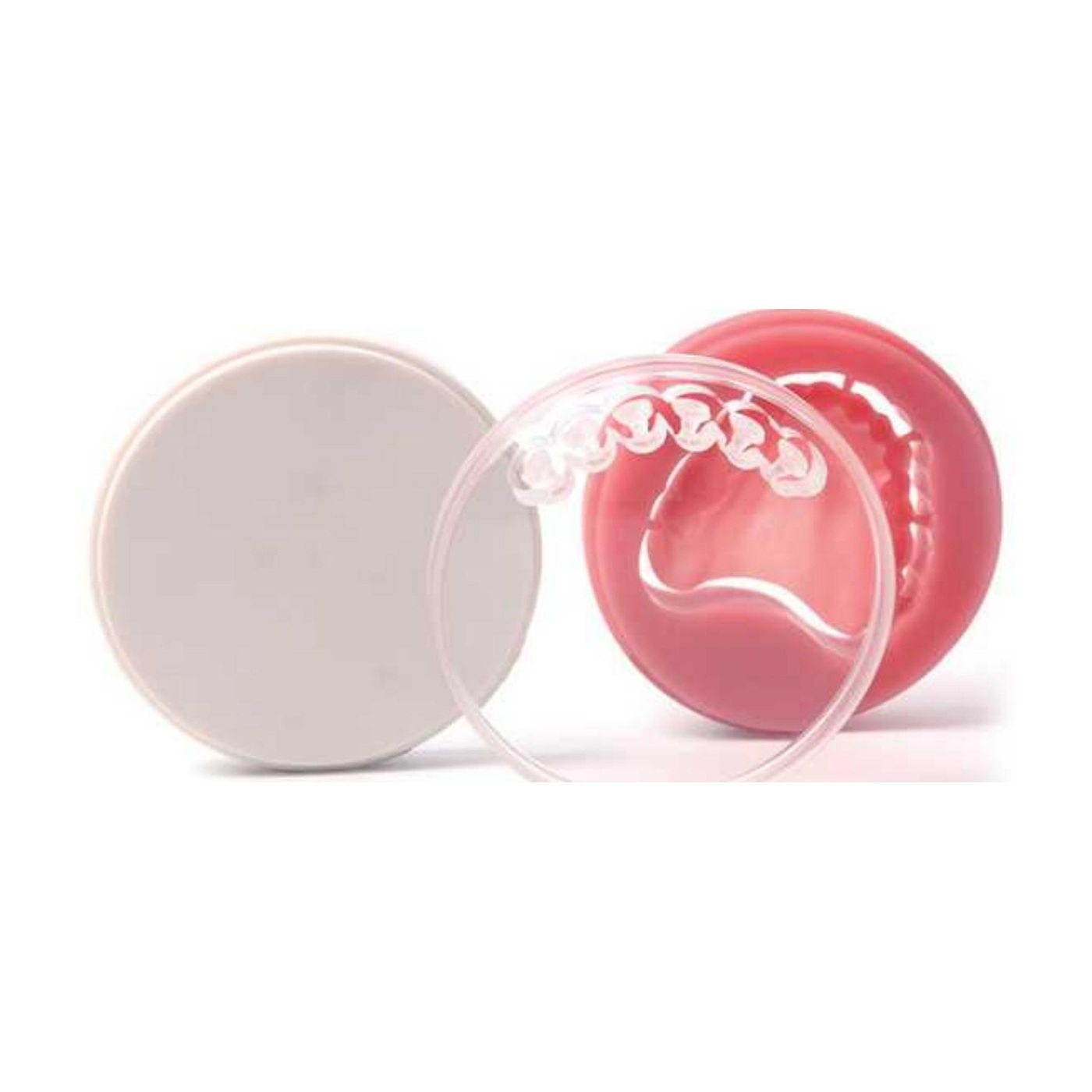
PMMA discs in monolayer, bilayer, multilayer and flexible versions. 98


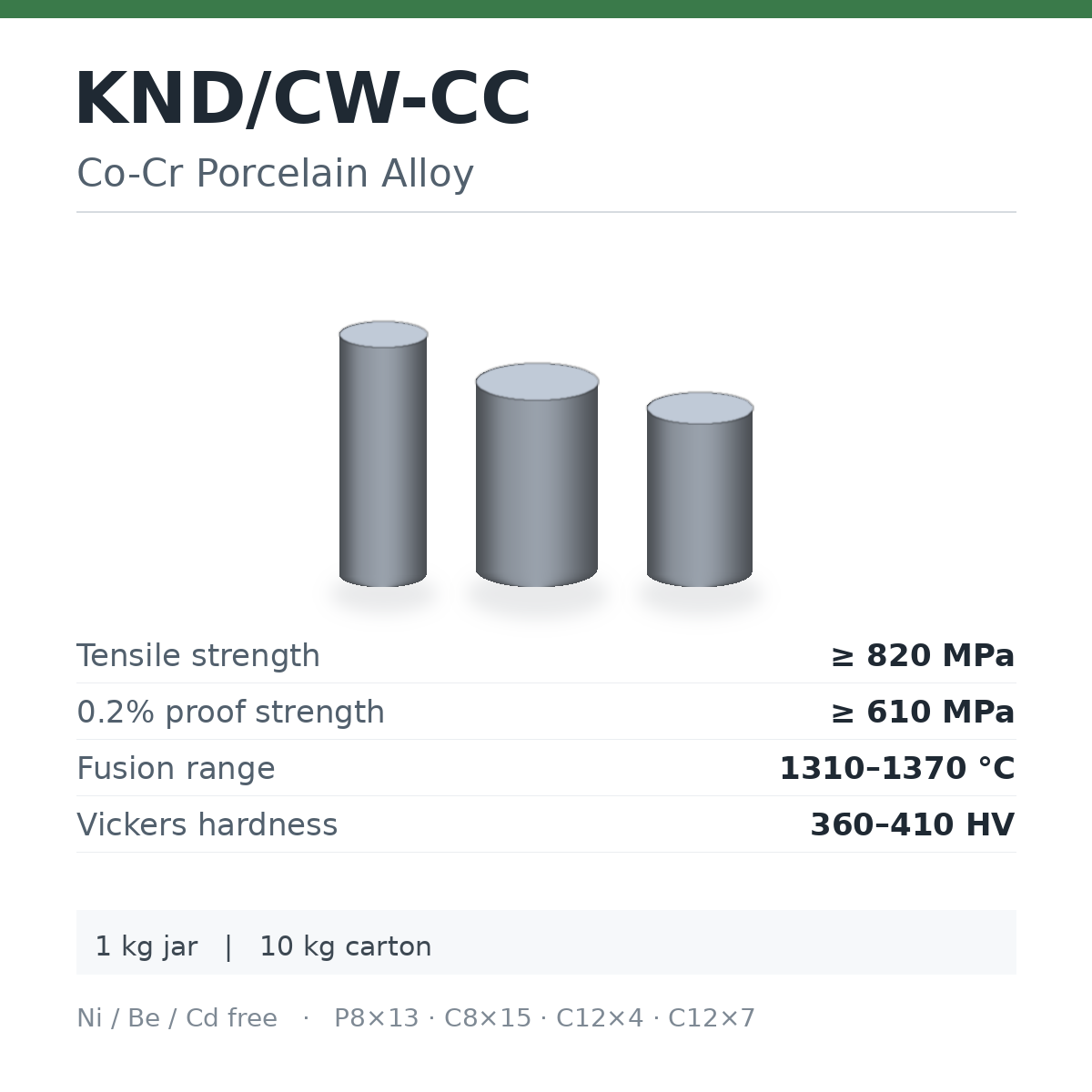
Vacuum-melted Co-Cr and Ni-Cr dental casting alloys in 1 kg jars, five

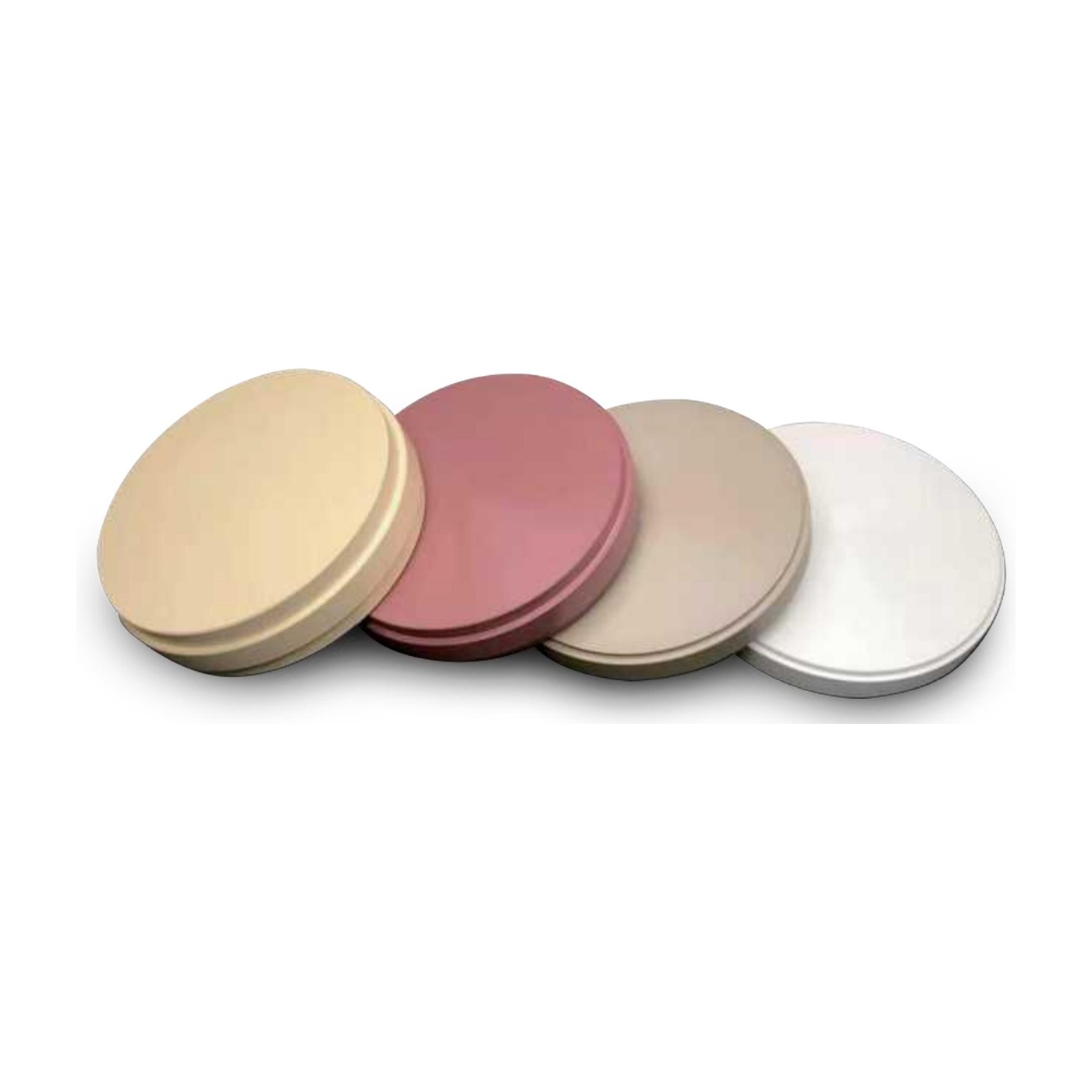
PEEK Disc for Dental CAD/CAM -
PEEK discs for CAD/CAM frameworks, temporary bridges and implant super
Categories
Latest News
Contact Us
Contact: Mario
Phone: +8613482534556
Tel: +86-574-62913789
Add: No.33 West Road, Gaoqiao Town, Ningbo, Zhejiang, China