


Burs, Polishers & Abrasives
Dental Diamond Burs - FG, Full Shape Range, 5 Grits
- Shank: FG 1.6 mm
- Shapes: 11 families (SR, SI, WR, SF, CF, TR, TC, TF, CR, EX)
- Grits: super coarse, coarse, medium, fine, extra fine
- Packing: 10 pcs / box, single size
- Product description: FG diamond burs in 11 shape families and five grits, ISO numbered. Factory direct from a burs-only plant with in-house CNC and electroplating.
A diamond bur cuts by the diamond, not by the steel. Two burs with the same shape number can behave completely differently because one has a single layer of grit with poor retention and the other has a dense, evenly plated layer. The first one cuts for a crown and then polishes; the second one still cuts at the twentieth preparation.
These burs are made by a plant that does nothing else: 200 fully automatic CNC lathes for the shank, more than 10 electroplating lines for the grit, daily output around 200,000 pieces. Making the blank and plating the grit in the same building is what keeps the shape tolerance and the grit density consistent from lot to lot.
Reading the numbering. Every bur carries three things on the label: the head size in tenths of a millimetre, the working length, and the ISO number, plus our own item code. Order by item code and you get the same bur twice; order by shape name alone and you get whatever the nearest factory calls that shape.
| Family | Use | Item examples |
|---|---|---|
| SR / SR-L | Round - caries removal, access, cavity floor | 001-014, BR-45 / 697 |
| SI | Inverted cone - flat floors, undercut removal | 010, SI-48 |
| WR | Wheel - separating, occlusal adjustment | 044, WR-44 |
| SF | Flat-end fissure - shoulder and box preparation | 109, SF-42 |
| CF | Tapered fissure - chamfer margin, inlay walls | 130, CP-13 |
| TR | Round-end cylinder - shoulder with rounded internal line angle | 140-146 |
| TC | Pointed cone - access through a small opening | 164-166 |
| TF | Flat-end cone - slicing and interproximal reduction | 169-173 |
| CR | Round-end cone - crown preparation finish | 180-192 |
| EX | Round-end inverted cone - end cutting, flat base | 200-208 |
Grit. Five colour codes: black is super coarse, green coarse, blue medium, red fine, yellow extra fine. The colour is on the shank ring, so a bur can be identified in the handpiece without reading a label. A typical preparation uses a blue or green for the bulk, then a red for the margin, then a yellow for the finish line - three burs, one shape.
What to check before you buy a box. Concentricity at the shank: a bur that runs out will chatter at the margin and leave a step. Grit at the tip: a round bur that is bare at the apex will not cut the floor. And the plating at the neck: that is where a cheap bur sheds grit into the cavity.
Limits. The maximum speed is set by the handpiece and by the bur diameter, not by us - a large wheel bur run at turbine speed will overheat the tooth and can bend the shank. Use light intermittent pressure and let the grit cut; a diamond bur pushed hard clogs and stops cutting. These are single-patient instruments unless your sterilizer and your local rules allow reprocessing, and a bur that has been through an autoclave cycle has a shorter life than a new one.
Related Products
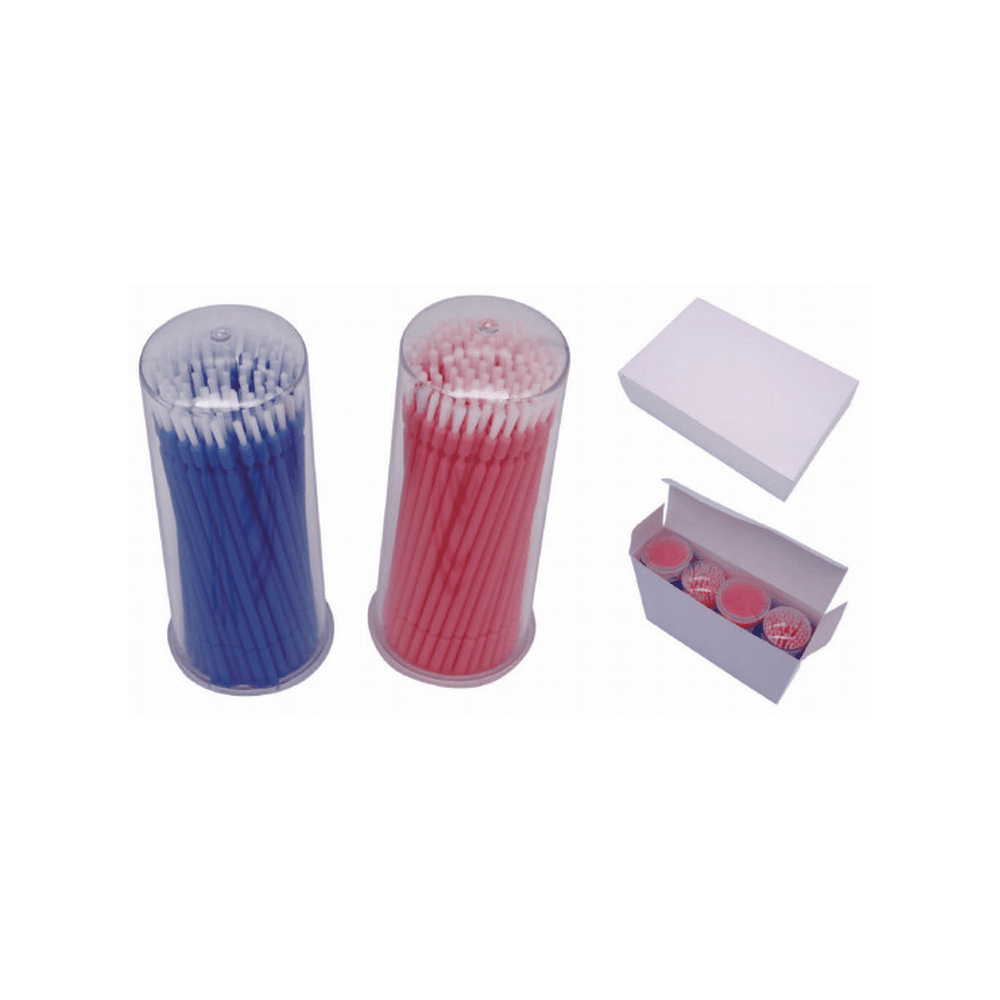
Dental Micro Brush Applicators
Disposable dental micro brush applicators for bonding agents, etchants


Glass Ceramic Burs for CAD/CAM
Glass ceramic burs for milling and adjusting lithium disilicate and fe


Zirconia Diamond Polishing Dis
Zirconia diamond polishing discs and wheels in graded grits for pre-si
Categories
- Endodontics
- Burs, Polishers & Abrasives
- Handpieces & Motors
- Restorative & Prosthodontics
- Imaging & Digital Dentistry
- Orthodontics
- Unit Parts & Accessories
- Dental Instruments
- Implant & Biomaterials
- Preventive & Whitening
- Infection Control & Disposables
- Dental Lab & Materials
- dental equipment
- Loupes & Accessories
Latest News
Contact Us
Contact: Mario
Phone: +8613482534556
Tel: +86-574-62913789
Add: No.33 West Road, Gaoqiao Town, Ningbo, Zhejiang, China