


Handpieces & Motors
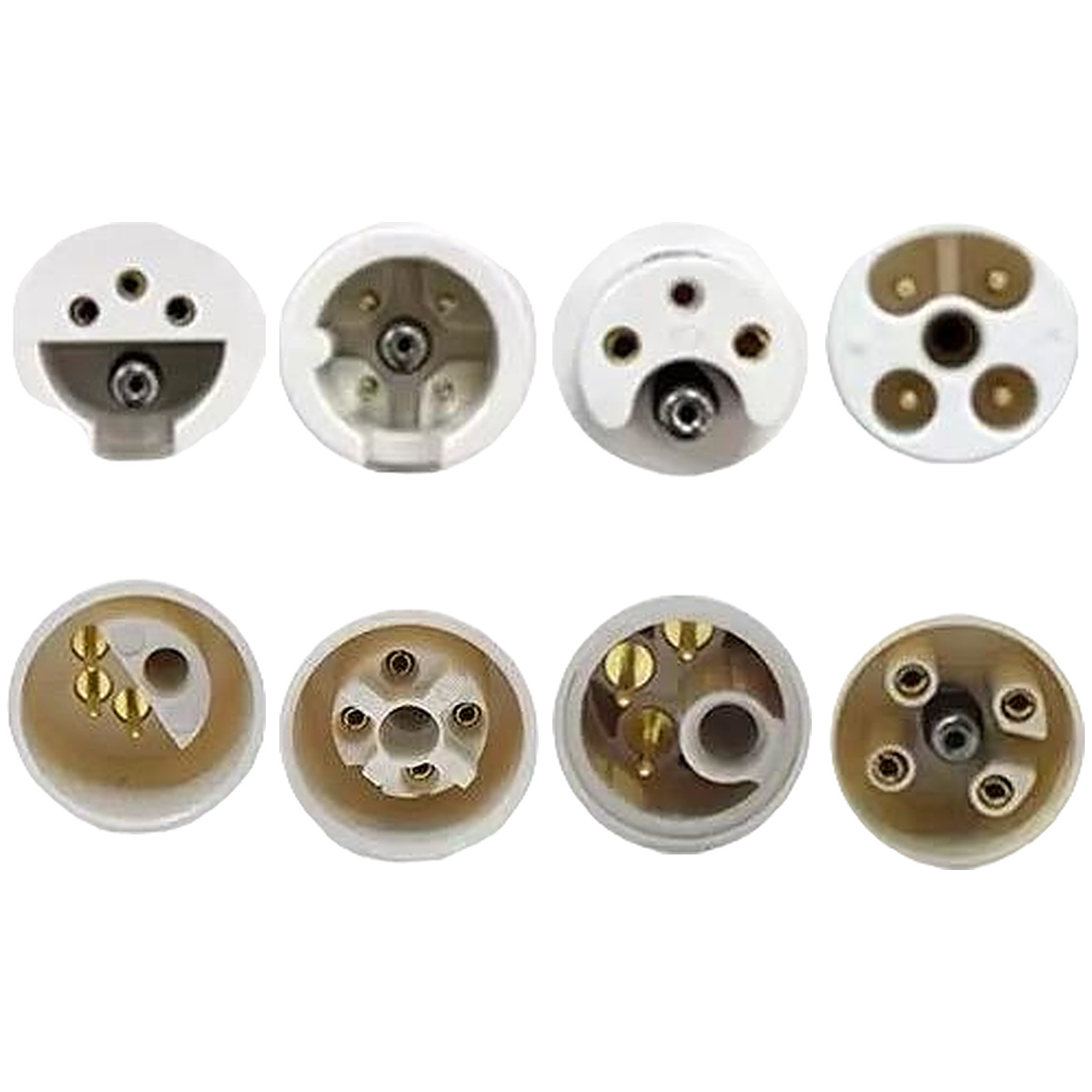
Dental Handpiece Quick Coupling - 2-Hole and 4-Hole B2
- Hole pattern: 2-hole / 4-hole B2
- Body: chrome finished metal
- Seals: replaceable O-rings
- LED contacts on some versions
- Product description: Handpiece quick couplings in 2-hole and 4-hole B2 patterns. Chrome finished body, replaceable O-rings, some end faces with LED contacts. The part that causes most air and water leaks at the handpiece
When a handpiece loses power, the handpiece is usually the second thing to check, not the first. The quick coupling sits between the tubing and the base of the handpiece, and it carries four things at once: drive air, chip air, water and exhaust. Every one of those passes through an O-ring the size of a rice grain. When those rings harden, air escapes before it reaches the turbine, and the symptom the clinician reports is a handpiece that has gone weak.
Two patterns, one decision
Four-hole B2 is the pattern most chairs use: separate lines for drive air, chip air, water and exhaust, with the chip air and water meeting at the spray port. Two-hole is the older arrangement, where air and water are combined at the coupling and the mixture is set at the unit rather than at the handpiece. The two are not interchangeable, and the difference is visible at a glance: count the ports on the end face and look at whether the centre carries a locking pin.
Some end faces also carry two electrical contacts. These are for handpieces with a built-in LED, where the light is fed from the unit through the coupling rather than from a separate cord. If your handpieces are lit, the coupling has to be the lit version, or the light will not work even though air and water are fine.
What actually fails
The O-rings go first. They take an autoclave cycle every time the handpiece is sterilised, and heat plus chemical vapour hardens them within a year or two of daily use. The second failure is the locking mechanism: the collar wears, the handpiece no longer seats firmly, and it starts to wobble on the coupling. A handpiece that rocks at the base will leak at the base, and it will also wear the drive spline inside the turbine.
The third failure is corrosion at the water port, usually in areas with hard water. Scale builds in the small water passage, flow drops, and the spray at the tip becomes uneven. Cleaning the passage with a wire is a temporary fix; the coupling eventually has to be replaced.
| Parameter | Value |
|---|---|
| Type | Handpiece quick coupling, tubing to handpiece base |
| Hole patterns | 4-hole (B2) and 2-hole |
| Body | Metal, chrome finished |
| Internal passages | Drive air, chip air, water, exhaust |
| Seals | O-ring set, replaceable |
| LED version | Two electrical contacts on the end face |
| Packing | Single piece |
Fitting one
Shut the air and water at the unit before you start, and bleed the line. Unscrew or unclip the old coupling from the tubing, keeping the tubing ends in the same order, because swapping chip air and water gives you a handpiece that sprays inside the head instead of at the tip. Fit the new coupling, seat the O-rings dry rather than lubricated, and tighten to hand pressure only. Open the air, run the handpiece without water for a few seconds to check for leaks at the joint, then open the water and check the spray pattern at the tip.
Keep a spare coupling and a bag of O-rings in the drawer. It is the cheapest way to avoid losing a surgery half a day to a handpiece that turns out to be fine.
Ordering
Tell us the hole pattern, whether your handpieces are LED, and the type of fitting at the tubing end. Mixed orders of 2-hole and 4-hole couplings are quoted together, and O-ring sets can be added to the same shipment.
Related Products
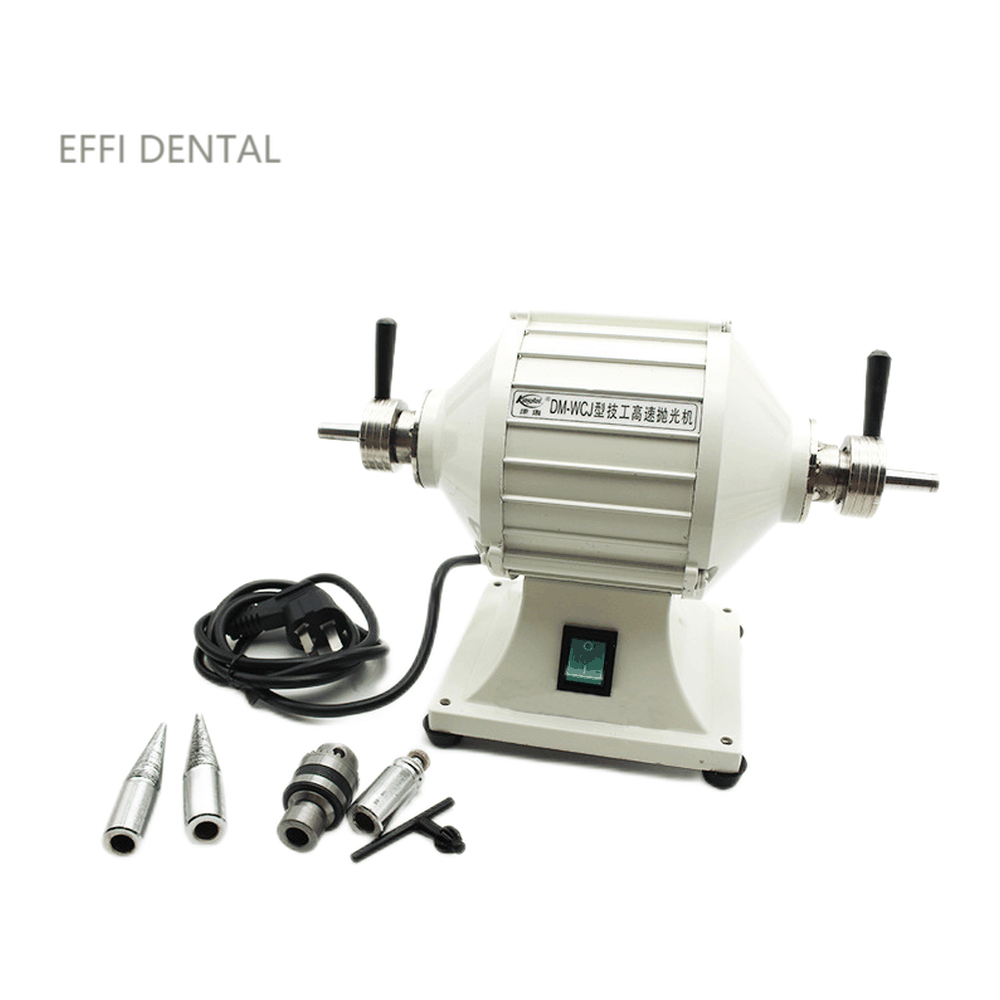


Handpiece Cable and Holder Set
Handpiece cable with stainless holder set. Six position holder block a
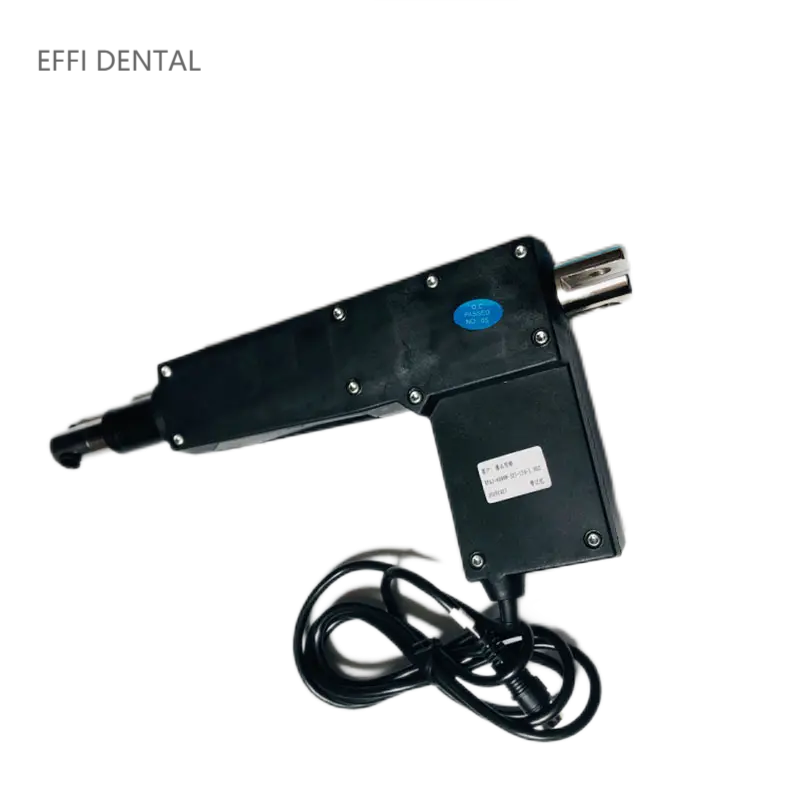
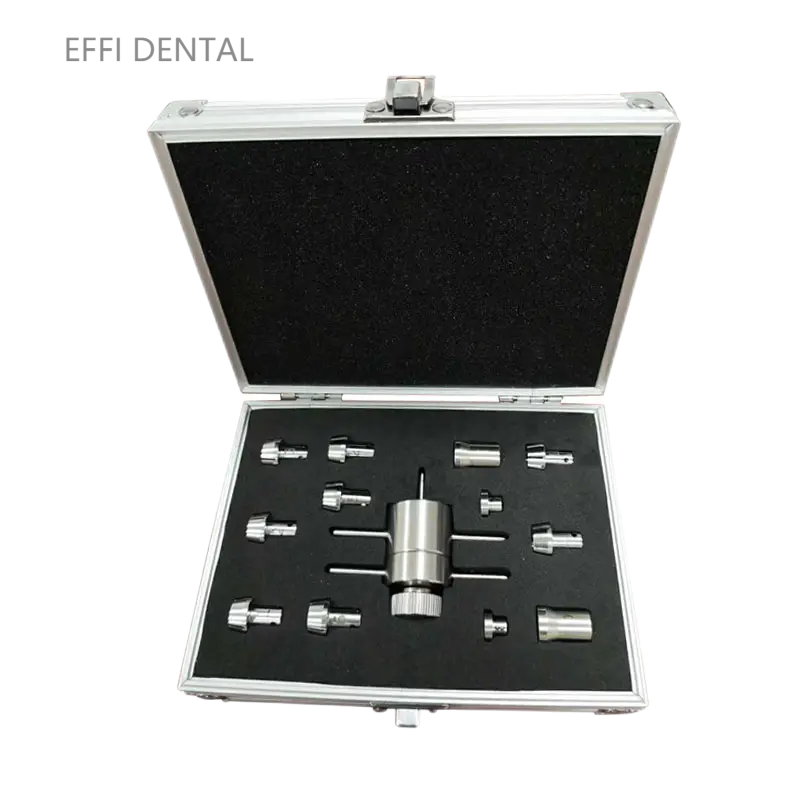

Automatic Handpiece Holder Val
Automatic handpiece holder valve that switches air and water when the
Categories
- Endodontics
- Burs, Polishers & Abrasives
- Handpieces & Motors
- Restorative & Prosthodontics
- Imaging & Digital Dentistry
- Orthodontics
- Unit Parts & Accessories
- Dental Instruments
- Implant & Biomaterials
- Preventive & Whitening
- Infection Control & Disposables
- Dental Lab & Materials
- dental equipment
- Loupes & Accessories
Latest News
Contact Us
Contact: Mario
Phone: +8613482534556
Tel: +86-574-62913789
Add: No.33 West Road, Gaoqiao Town, Ningbo, Zhejiang, China