


Infection Control & Disposables
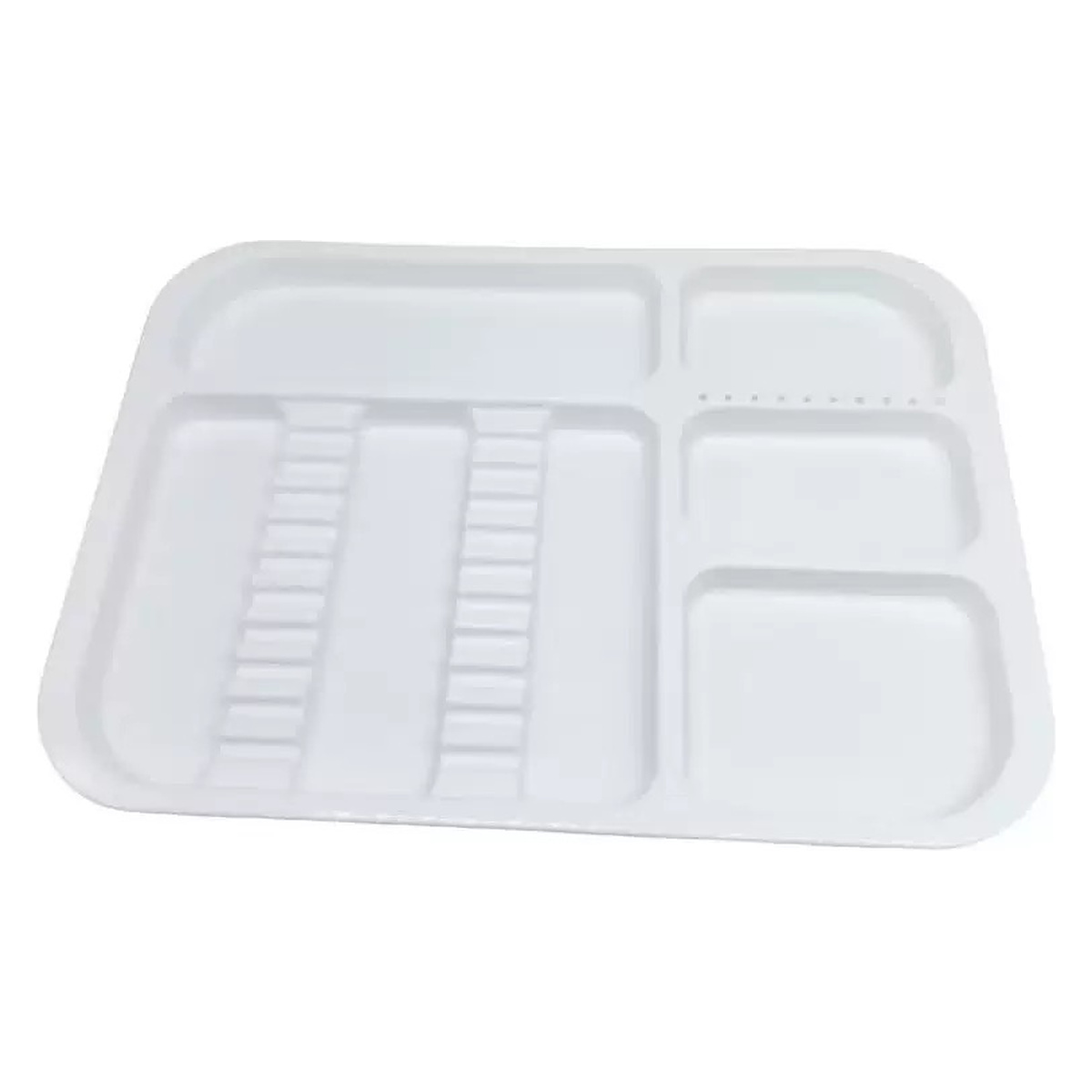
Disposable Dental Instrument Tray - Slotted Rows and Material Wells
- Layout: 2 slotted rows + 3 channels + 3 wells
- Material: white moulded plastic
- Use: burs, instruments, materials
- Packing: bulk, quoted per carton
- Product description: White moulded tray with two slotted rows for burs, three open channels for instruments and three wells for materials. Keeps a procedure set together and removes one cleaning step at the end of the app
Most of the time lost between patients is not clinical. It is the two minutes spent laying out a procedure set, and the five minutes spent cleaning the tray it was laid out on. A divided tray does two things at once: it holds the set in a fixed order so the assistant can reach for a bur without looking, and if it is disposable, it removes the cleaning step entirely.
Why the slots matter
Loose burs in a flat tray roll. They roll into each other, chip each other's grit, and end up at the far corner of the tray exactly when you need one. Two slotted rows hold burs upright and separated, shank down, cutting end visible, so the bur you want is the bur you pick up. The channels between the rows take hand instruments, a syringe, or a matrix band, and the three wells on the right take cotton pellets, a mixing pad, or the small items that otherwise migrate across the tray.
The layout also sets a routine. Burs on the left, instruments in the middle, materials on the right, and the same arrangement every time. That is what makes a tray useful to a second pair of hands: the assistant can prepare the next step without asking where things are.
Single use, and what it replaces
A reusable tray has to be cleaned, bagged, sterilised, and stored, and it has to be tracked so it comes back to the right surgery. A disposable tray is used once and goes in the clinical waste with the rest of the set. For a practice running a full book, the saving is not the cost of the tray, it is the turnover time at the end of each appointment and the risk of a tray going missing between the surgery and the sterilisation room.
White is not a cosmetic choice. Blood and debris show on white, so a tray that has been used is obvious at a glance, and a tray that has been missed in the clean-down is equally obvious.
| Parameter | Value |
|---|---|
| Layout | Two slotted rows, three open channels, three shallow wells |
| Material | Moulded plastic, white |
| Use | Burs, hand instruments, cotton pellets and small materials |
| Shape | Rectangular with rounded corners, low wall for access |
| Packing | Bulk, quoted per carton |
Using it well
Keep sharps out of the open channels. A used needle or a scalpel blade laid in a tray is how needlestick injuries happen, and the tray is not a sharps container. Load the burs from the sterilised pack straight into the slots, and do not top up a part-used tray from a second pack, because that mixes sterile and non-sterile stock.
Size the tray to the procedure rather than to the drawer. A tray that is too large collects items that were never part of the set, which is exactly what the dividers are meant to prevent.
Ordering
Supplied in bulk cartons. Tell us the number of surgeries you are equipping and how many procedures you run per day, and we will quote the carton quantity that matches your turnover. Mixed cartons with other disposable items can be shipped together.
Related Products
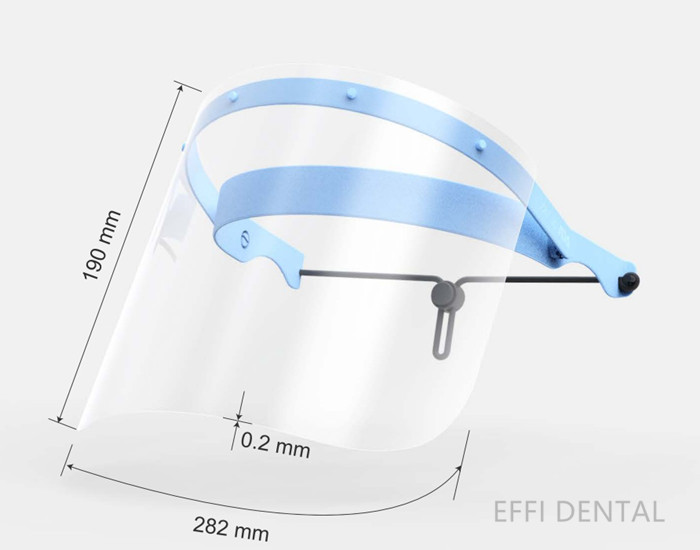


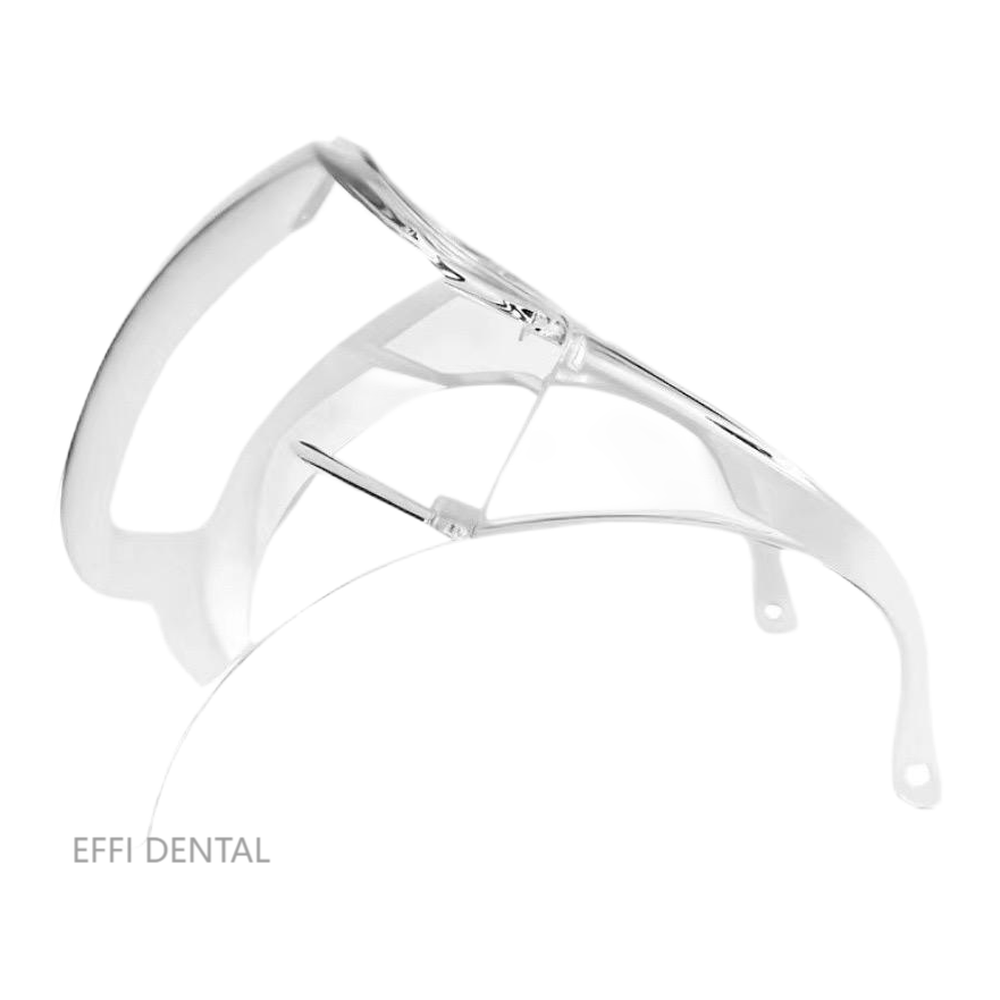
Wrap around face shield giving 180 degree coverage, worn with or witho
Categories
- Endodontics
- Burs, Polishers & Abrasives
- Handpieces & Motors
- Restorative & Prosthodontics
- Imaging & Digital Dentistry
- Orthodontics
- Unit Parts & Accessories
- Dental Instruments
- Implant & Biomaterials
- Preventive & Whitening
- Infection Control & Disposables
- Dental Lab & Materials
- dental equipment
- Loupes & Accessories
Latest News
Contact Us
Contact: Mario
Phone: +8613482534556
Tel: +86-574-62913789
Add: No.33 West Road, Gaoqiao Town, Ningbo, Zhejiang, China