


Burs, Polishers & Abrasives
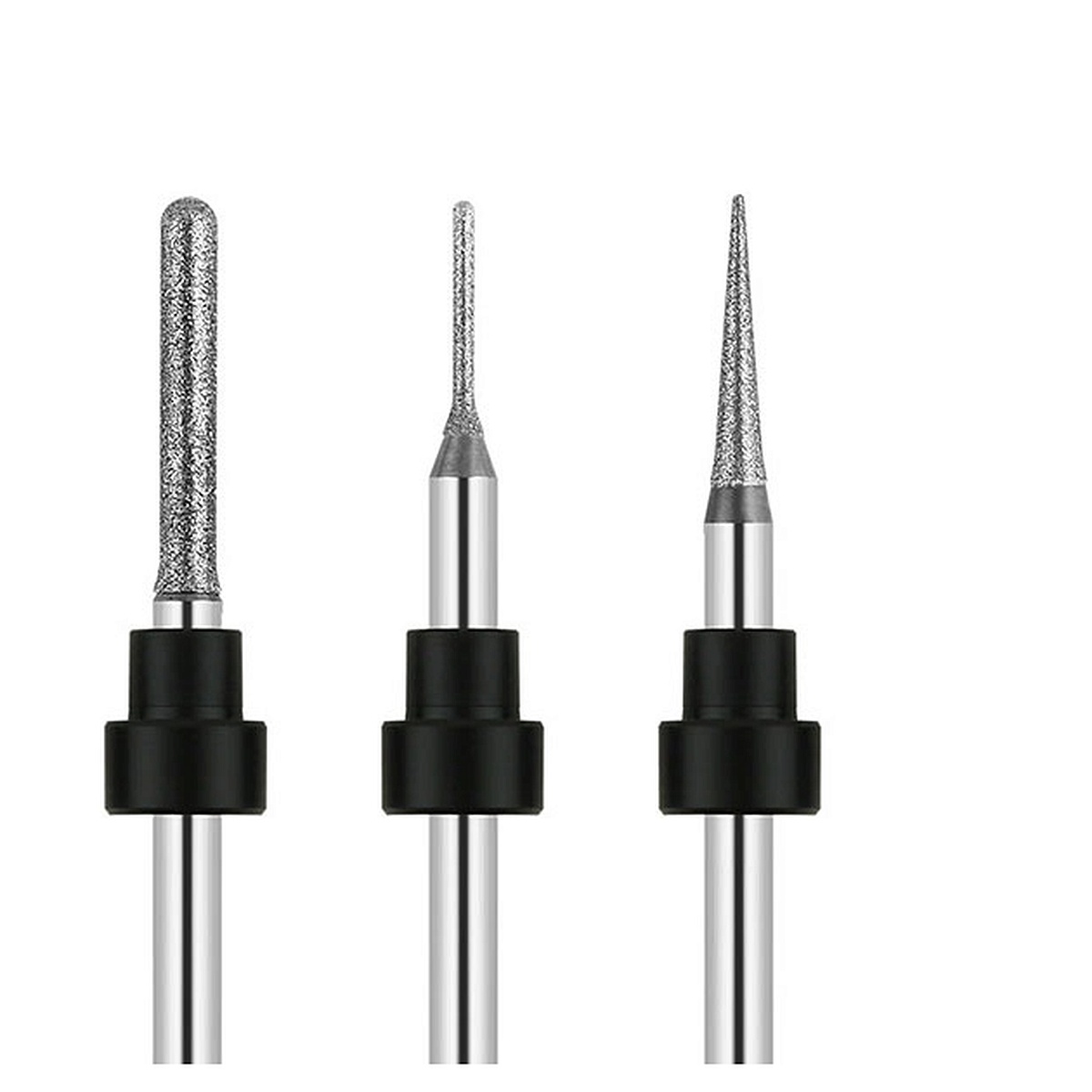
Glass Ceramic Milling Burs for Roland DWX-4W, 42W and 43W
- Machine: Roland DWX-4W / 42W / 43W (wet milling)
- Shank: 3 mm | Overall length: 40 mm
- Flutes: Ø2.5 / Ø1.0 / Ø0.5, effective 6–15 mm
- For lithium disilicate, hybrid ceramic and composite
- Product description: Glass ceramic milling burs for Roland DWX-4W / 42W / 43W wet milling machines, 3 mm shank, 40 mm overall. Cross-referenced to ZGB-125D, ZGB-50D, ZGB-25D.
This line does not fit the dry-milling DWX machines, and that is the first thing to check before ordering. These burs are for the wet range — DWX-4W, DWX-42W and DWX-43W — which runs a 3 mm shank and a 40 mm overall length, not the 4 mm × 50 mm used on the 51D and 52D. A glass ceramic bur ordered for the wrong Roland will not seat, and forcing it damages the collet.
The material these are built for is lithium disilicate and the hybrid ceramics and composites that behave like it: e.max, Cerasmart-type blocks, polymer-infiltrated ceramics. All of it is milled wet, and all of it is unforgiving about edge quality.
Shapes and cross-reference
| Effective length | Flute Ø | Shank | Overall | Cross-reference |
|---|---|---|---|---|
| 15 mm | Ø2.5 | 3 mm | 40 mm | ZGB-125D |
| 10 mm | Ø0.5 | 3 mm | 40 mm | ZGB-25D |
| 6 mm | Ø1.0 | 3 mm | 40 mm | ZGB-50D |
Three shapes, three jobs. The Ø2.5 with 15 mm reach does the bulk removal — shoulder preparation, occlusal reduction, the main body of a crown. The Ø1.0 at 6 mm is the margin and proximal bur, short enough that it does not flex when it is working a thin area. The Ø0.5 at 10 mm is the detail tool: incisal characterization, separating contacts, and any place where a 1 mm bur simply cannot enter.
The Ø0.5 is also the one to keep stocked. It is the thinnest, the most highly loaded, and the first to go — a broken 0.5 mid-case stops the machine, while running out of the 2.5 just slows you down.
Wet milling changes the wear pattern
Coolant keeps the edge cool, which extends life, but glass ceramic is harder on the coating than zirconia is. The diamond layer is what protects the carbide underneath; once it wears through, the bur starts generating micro-cracks at the margin that only show up after crystallization, when the crown comes out with a chipped shoulder and there is no way to fix it without remilling.
That is the argument for changing on a schedule rather than on failure. Count units, not visual wear — a coated bur that still looks fine can already be cutting hot. The same logic rules out an obvious shortcut: running a glass ceramic block on a dry-milling machine with a zirconia bur. Without coolant the margin overheats and micro-chips immediately, and a 0.5 mm shoulder cannot be recovered by polishing.
Ordering
Packed in protective tubes, single shapes or sets. Tell us the machine model and the block brands you mill; the shank and length are fixed by the machine but the shape mix is not, and a set sized to your case type is cheaper than replacing the fine burs one at a time.
Related Products
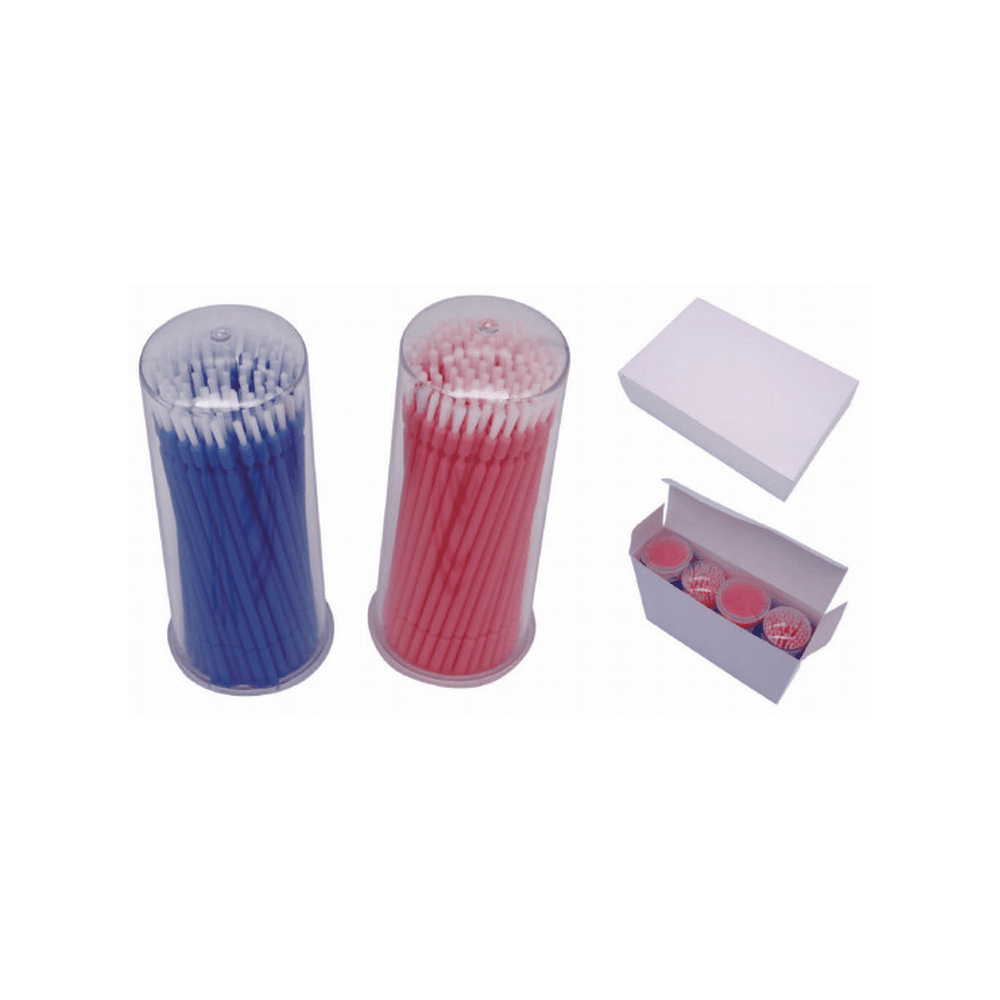
Dental Micro Brush Applicators
Disposable dental micro brush applicators for bonding agents, etchants


Glass Ceramic Burs for CAD/CAM
Glass ceramic burs for milling and adjusting lithium disilicate and fe


Zirconia Diamond Polishing Dis
Zirconia diamond polishing discs and wheels in graded grits for pre-si
Categories
- Endodontics
- Burs, Polishers & Abrasives
- Handpieces & Motors
- Restorative & Prosthodontics
- Imaging & Digital Dentistry
- Orthodontics
- Unit Parts & Accessories
- Dental Instruments
- Implant & Biomaterials
- Preventive & Whitening
- Infection Control & Disposables
- Dental Lab & Materials
- dental equipment
- Loupes & Accessories
Latest News
Contact Us
Contact: Mario
Phone: +8613482534556
Tel: +86-574-62913789
Add: No.33 West Road, Gaoqiao Town, Ningbo, Zhejiang, China