


Imaging & Digital Dentistry
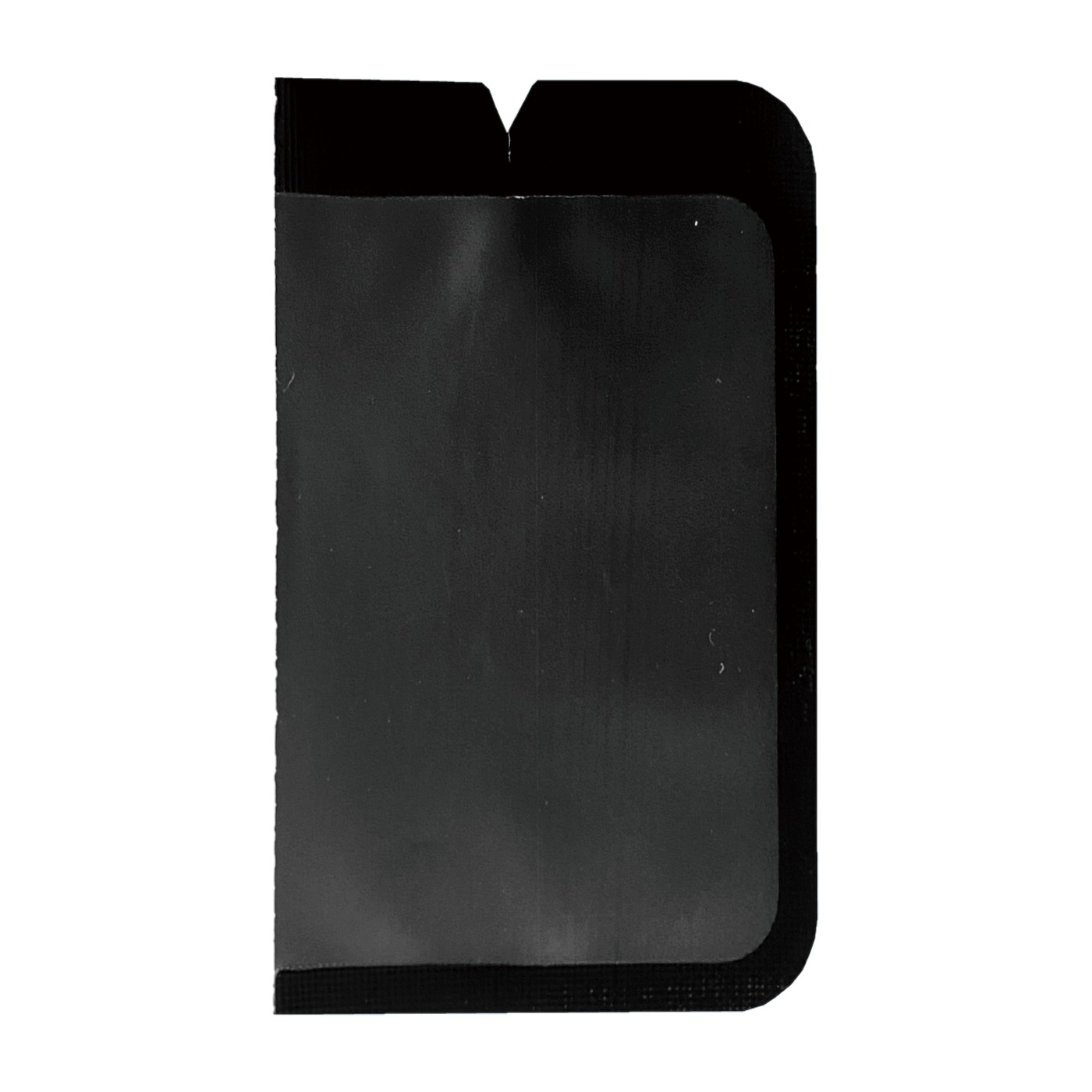
Imaging Plate Barrier Envelopes - Type 4
- Opening: Short edge tape
- Tear: Long edge, both sides
- Border: Reduced film edge
- Packing: 100-500 per box
- Product description: Barrier envelopes with the tape on the short edge and tear notches under the long edge, giving a smaller border in the mouth. Sizes 0 to 4.
Every barrier envelope adds a layer between the plate and the soft tissue, and the edge of that layer is what patients feel. Type 4 is designed around that: the tape sits on the short edge, the tear notches sit under the long edge on both sides, and the film border outside the plate is kept as small as the seal allows.
The result is an envelope that is less noticeable in the mouth during posterior views, where the plate already sits against the retromolar pad and the patient is close to gagging.
How it opens and tears
- The adhesive strip runs along the short edge, so the plate is inserted from the narrow end and the long edges stay sealed.
- Tear notches sit on both sides under the long-edge tape, so the envelope can be torn from either side, whichever hand is free.
- Tearing along the long edge opens the envelope away from the plate rather than across it, so the plate is not scratched on the way out.
Sizes
| Size | Inner size | Fits plate |
|---|---|---|
| 0 | 24 x 37 mm | 22 x 35 mm |
| 1 | 28 x 44 mm | 24 x 40 mm |
| 2 | 33 x 46 mm | 31 x 41 mm |
| 3 | 30 x 57 mm | 27 x 54 mm |
| 4 | 60 x 80 mm | 57 x 76 mm |
Material and packing
Supplied in PE, PVC or biodegradable film, boxed 100, 200, 300 or 500 pieces. Material behaves the same way as in the Type 3 envelope; the difference between the two products is the seal and tear layout, not the film.
Practical notes
- Insert the plate from the short edge with the active side facing the adhesive-free face, so the plate surface is not touched by the seal.
- Do not overfill: a plate forced past the short-edge seal will open the envelope at the corner and the barrier is compromised before the exposure.
- For size 3 and 4 plates, load the envelope on the bench rather than in the mouth; the larger plates are harder to seat once the patient is biting.
If you are choosing between Type 3 and Type 4 for the first time, order one box of each in your most-used size and let the team use both for a week. The difference is a feel judgement, not a specification judgement, and staff opinion decides it faster than a data sheet.
Related Products
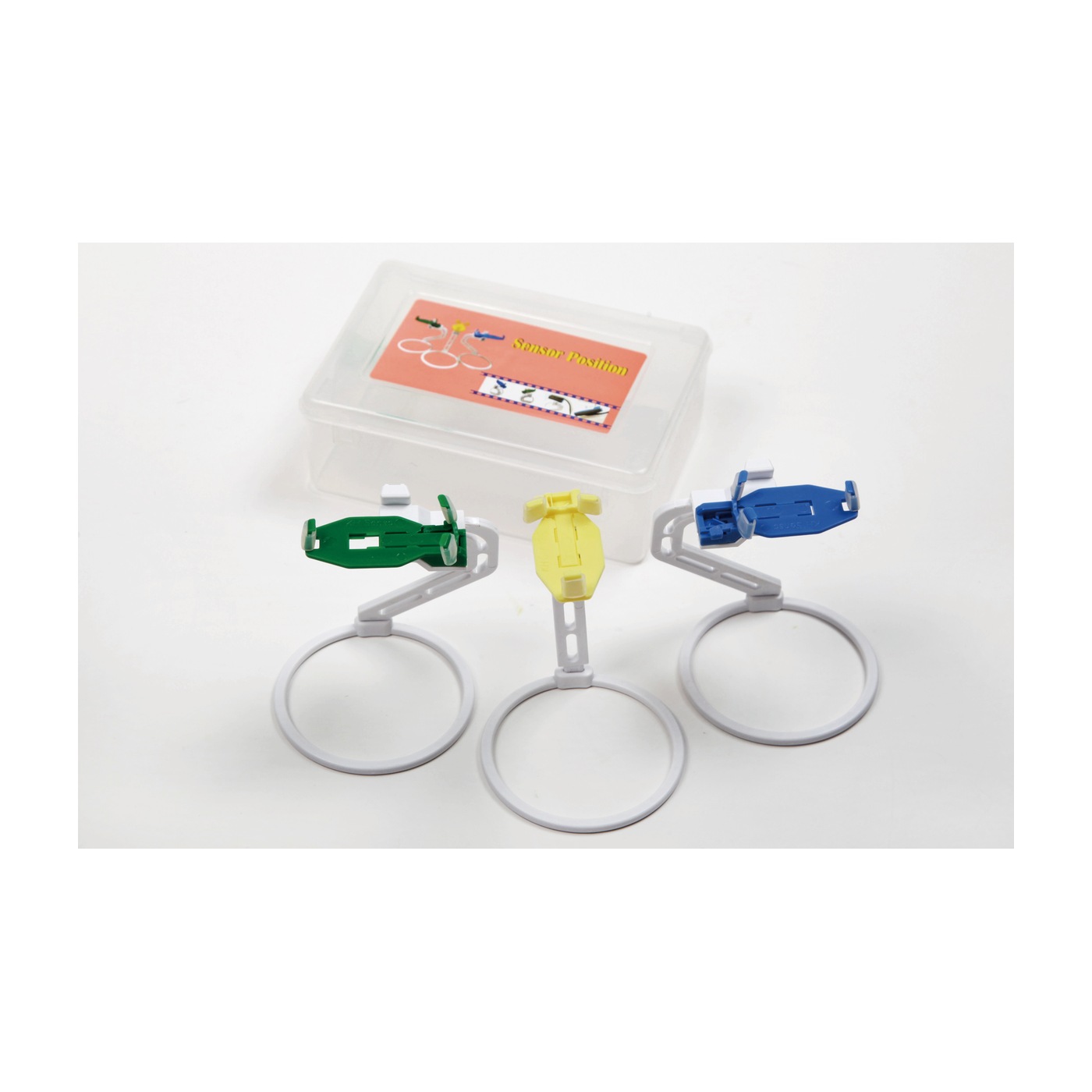
Digital Sensor Positioner with
Paralleling-technique positioner for wired digital sensors. Adjustable
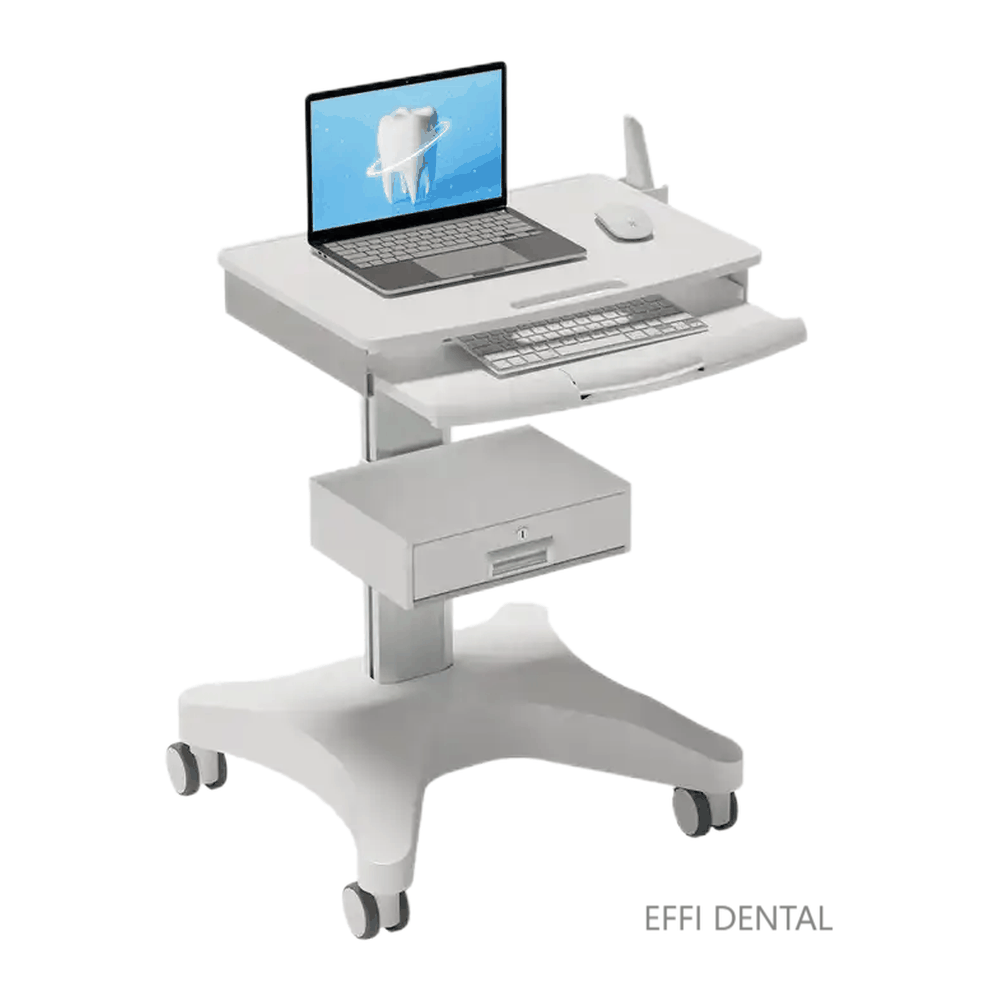
Dental Computer Cart with Scan
Mobile dental computer cart with CPU shelf, monitor mount, keyboard tr
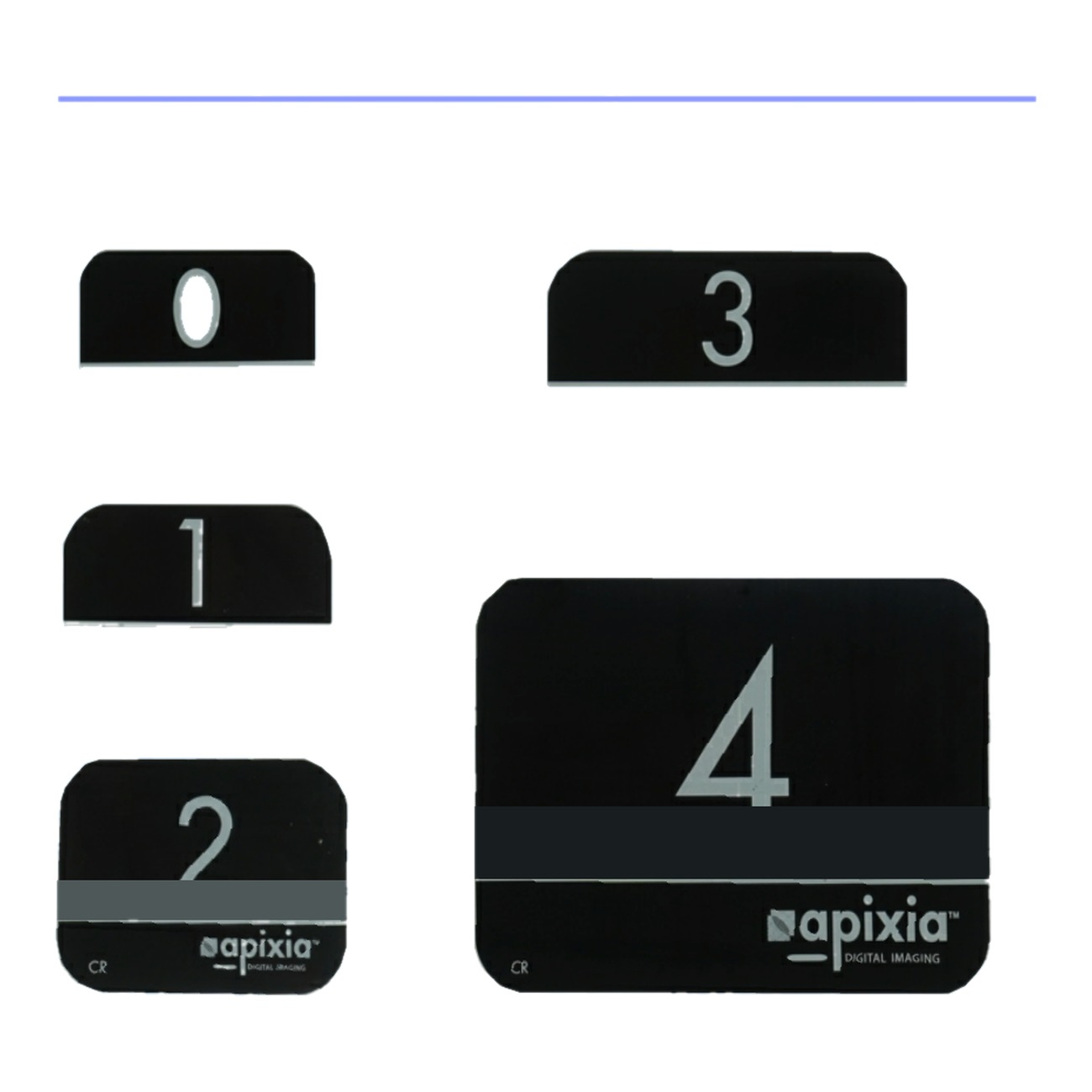
Dental Phosphor Imaging Plates
Intraoral photostimulable phosphor plates in sizes 0 to 4, insert and
Rechargeable Intraoral LED Lig
Rechargeable intraoral LED light for photography and visibility. Four
Imaging Plate Barrier Envelope
Barrier envelopes with the tape on the long edge and a tear notch on t
Categories
- Endodontics
- Burs, Polishers & Abrasives
- Handpieces & Motors
- Restorative & Prosthodontics
- Imaging & Digital Dentistry
- Orthodontics
- Unit Parts & Accessories
- Dental Instruments
- Implant & Biomaterials
- Preventive & Whitening
- Infection Control & Disposables
- Dental Lab & Materials
- dental equipment
- Loupes & Accessories
Latest News
Contact Us
Contact: Mario
Phone: +8613482534556
Tel: +86-574-62913789
Add: No.33 West Road, Gaoqiao Town, Ningbo, Zhejiang, China