


Vet Electrosurgery & Energy
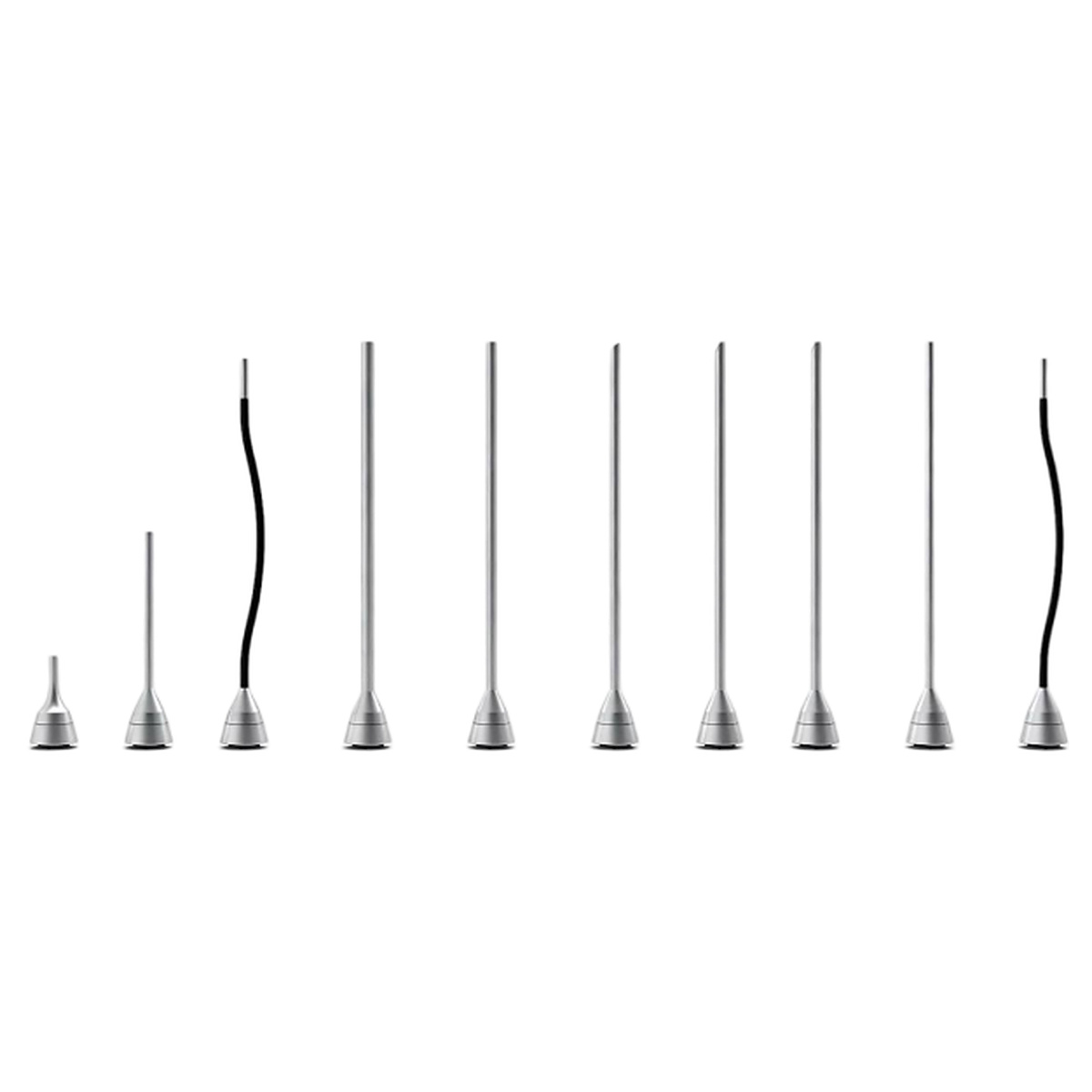
Electrosurgical Electrode Tips
- Quantity: 10 per set
- Profiles: needle, angled needle, blade
- Shaft: stainless, insulated to the tip
- Use: single use, disposable
- Product description: Set of ten disposable electrosurgical needle electrodes in assorted lengths and tip profiles, with standard push-fit connector for electrosurgical handpieces.
A needle electrode is a consumable with a very short life: the insulation at the tip breaks down, the shaft bends, or the tip is left with a ball of char on it that no longer cuts cleanly. The instrument is thrown away, but the choice of tip shape is what decides how the current behaves in tissue, and that choice is worth getting right rather than taking whatever is in the drawer.
This is a set of ten disposable needle electrodes in different lengths and tip profiles, all on a standard shaft with a moulded connector that pushes onto a standard electrosurgical handpiece. The range covers the fine needle for precise work on skin and mucosa, the angled needle for reaching under a flap or around a curve, and the longer straight needles for working through a small incision into a cavity.
Tip shape changes the effect
A fine needle concentrates current into a very small area, so it cuts at low power and produces a narrow zone of thermal damage - which is what you want on a gingival margin or a skin incision that has to heal with minimal scar. A blunt or ball tip spreads the current over a wider area, coagulates without cutting, and is the right choice for stopping a bleeder on a surface you do not want to divide further. A blade tip sits between the two. The practical rule: needle for cutting, ball for coagulating, blade for a blended effect in one pass.
Length and access
Short needles give the most control because the tip is close to the hand. Long needles reach into a cavity but flex, and a flexing needle does not cut where it is pointed; if you need length, use the shortest one that reaches. The angled versions exist for the same reason a curved scissors exists: to work around a structure rather than through it.
| Parameter | Value |
|---|---|
| Quantity | 10 electrodes per set |
| Profiles | Fine needle, straight and angled; blade; assorted lengths |
| Shaft | Stainless, insulated except at the tip |
| Connector | Moulded push-fit, standard handpiece fitting |
| Use | Single use, disposable |
| Application | Monopolar cutting and coagulation, open and oral surgery |
Handling that keeps a tip working
Do not use the electrode as a retractor or a probe. The insulation is thin and a scratch through it is a burn where the shaft touches tissue away from the tip, which is the commonest cause of an unexpected burn in electrosurgery. Wipe the tip on a damp gauze rather than scraping it on the drape, and do not bend a straight needle to make an angled one - the insulation cracks at the bend and the current arcs there instead of at the tip.
Keep the active electrode in its holder when it is not in the surgeon's hand. An electrode left on the trolley with the generator live is the other common cause of a burn, and it burns the patient's drape or the surgeon's glove rather than the tissue.
Ordering
Sets of ten mixed profiles, or single profiles in boxes for a clinic that uses one shape almost exclusively. Tell us which shape you go through fastest and we will quote that as the bulk item and the rest as a small mixed pack.
Related Products
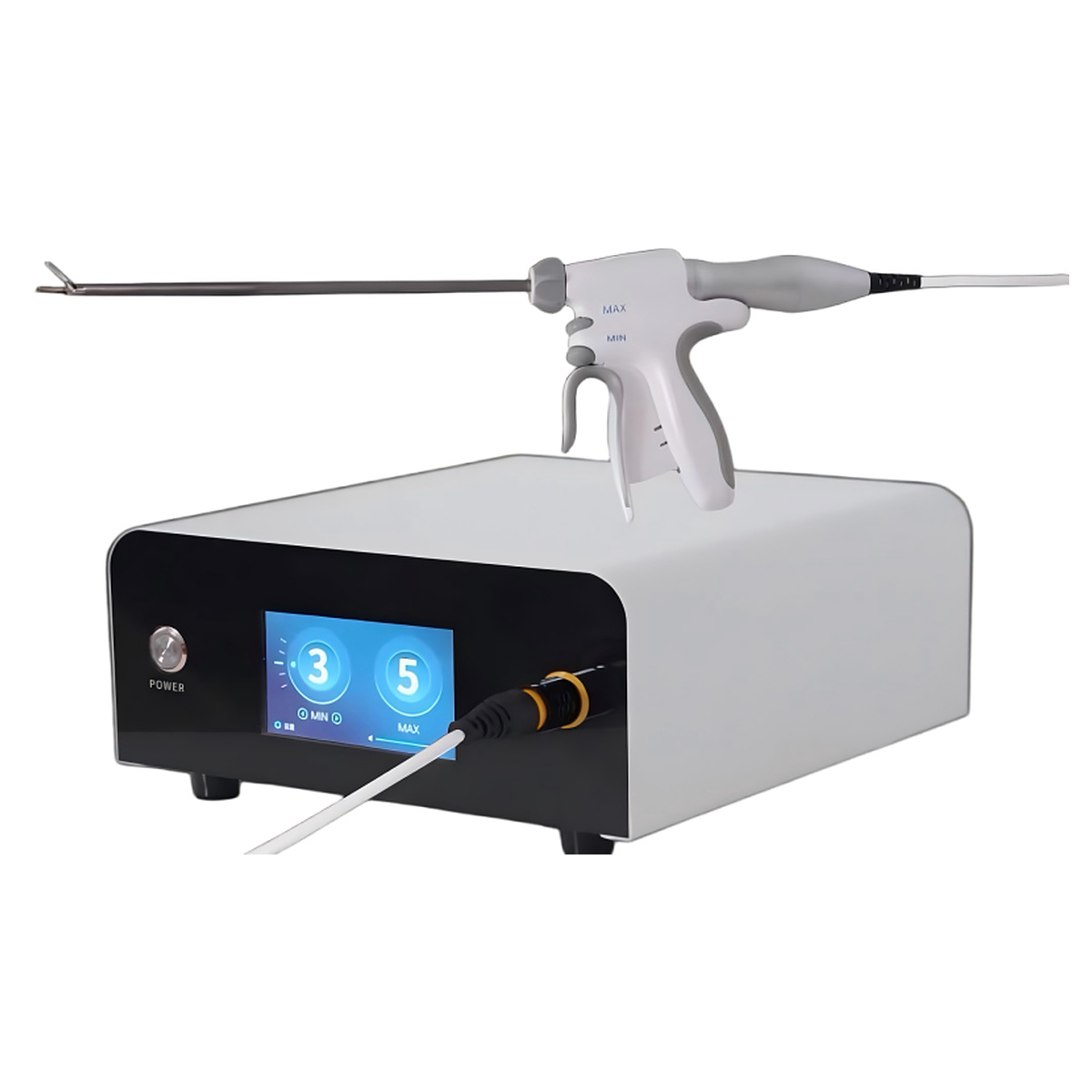
Veterinary Electrosurgery Unit
Veterinary electrosurgical console with touchscreen and two independen
Categories
Latest News
Contact Us
Contact: Mario
Phone: +8613482534556
Tel: +86-574-62913789
Add: No.33 West Road, Gaoqiao Town, Ningbo, Zhejiang, China